Defining Comprehensive Dental Care: Beyond Routine Maintenance
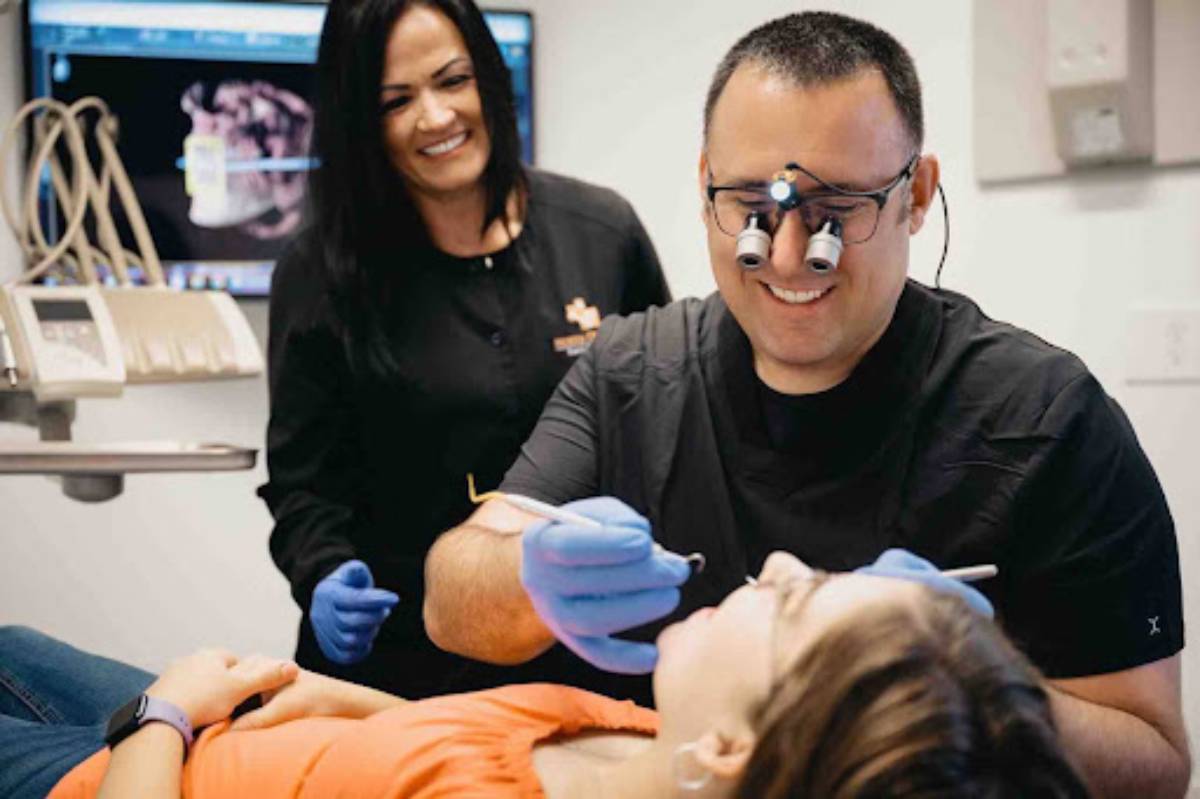
We often think of dental care as just routine cleanings or fixing a cavity. But what if we told you it’s much more? Truly Comprehensive Dental Care goes far beyond simple maintenance. It is a vital part of your overall health and well-being. This approach focuses on preventing future issues, diagnosing existing problems early, and creating a long-term plan for your oral health.
In this extensive guide, we will explore the true meaning of Comprehensive Dental Care and how it stands apart from basic preventive visits. We will detail the many services it includes, from restorative treatments to addressing cosmetic concerns. We will also look at why this holistic approach is so important for your body’s overall wellness, and how new technology is shaping the future of dentistry. Our goal is to help you understand how to achieve and maintain a healthy, beautiful smile for life.
Comprehensive Dental Care represents a holistic approach to oral health, extending beyond the scope of typical preventive measures. It encompasses a thorough diagnostic assessment, meticulous long-term treatment planning, and a deep understanding of the oral-systemic connection. This philosophy prioritizes proactive intervention, aiming not just to treat existing problems but to anticipate and prevent future issues, fostering overall wellness. It’s about viewing the mouth as an integral part of the entire body, where oral health directly influences systemic health.
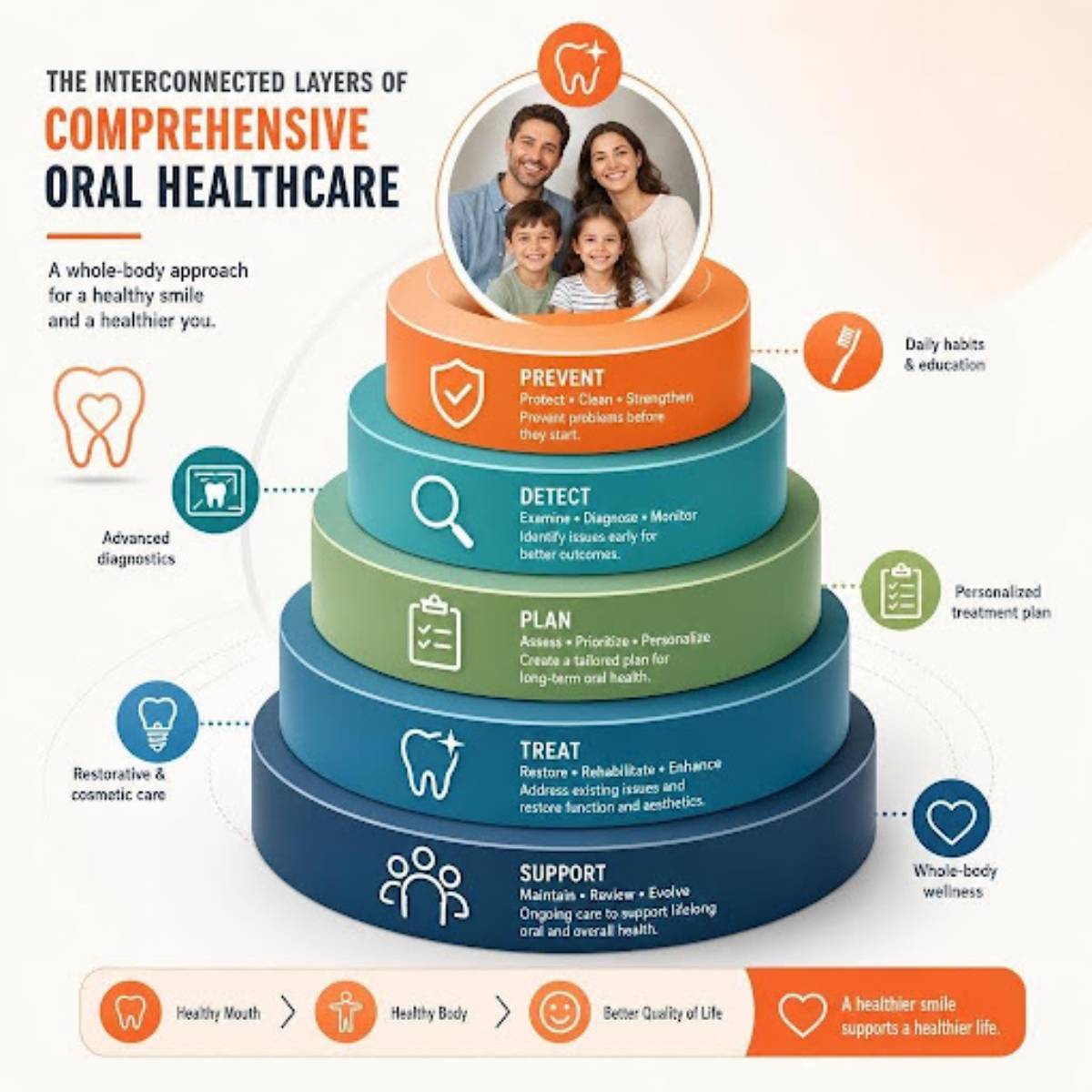
Preventive vs. Comprehensive Dentistry
While both preventive and comprehensive dentistry are crucial for maintaining oral health, their scopes differ significantly. Preventive care primarily focuses on avoiding problems before they begin. This typically involves routine cleanings, which remove plaque and tartar buildup, and diagnostic X-rays to detect early signs of decay or other issues. The financial benefit of this approach is substantial; studies indicate that preventive dental care can cost as much as 43% less than treating problems that could have been avoided. Early cavity detection and consistent biofilm control are hallmarks of preventive strategies, aiming to keep teeth and gums healthy.
Comprehensive dentistry, however, builds upon this foundation by diagnosing and treating existing oral health problems, often involving more complex restorative rehabilitation. It integrates all aspects of dental science to develop a complete and personalized treatment plan. This includes assessing not only the teeth and gums but also the bite, jaw joints, and surrounding oral structures. For individuals seeking a thorough and integrated approach to their oral health, finding a dental practice that offers a full spectrum of services is key. Many practices excel in providing such a holistic approach, ensuring all aspects of your dental health are covered, from basic cleanings to advanced restorative procedures, making them a truly full-service dental practice.
Feature Preventive Dentistry Comprehensive Dentistry Primary Goal Avoid problems before they start Diagnose, treat, and prevent current and future problems Key Services Routine cleanings, fluoride, sealants, basic X-rays All preventive services + restorative, cosmetic, surgical, orthodontic care Scope of Assessment Teeth, gums, basic oral health Entire oral cavity, bite, jaw joints, systemic health links Treatment Planning Short-term, maintenance-focused Long-term, multi-phase, holistic health-focused Focus Early detection, maintenance Total oral health rehabilitation and optimization Cost Implications Generally lower, cost-saving Potentially higher initial investment, long-term health benefits
Core Clinical Components and Services
Comprehensive Dental Care integrates a wide array of services designed to address every aspect of a patient’s oral health. These services are typically categorized to ensure all needs are met, from basic maintenance to complex reconstructions.
[LIST] of primary comprehensive dental services:
- Preventive Care: Regular check-ups, professional cleanings, fluoride treatments, sealants, oral hygiene education.
- Diagnostic Services: Digital X-rays, 3D imaging (CBCT), oral cancer screenings, periodontal charting, bite analysis, TMJ evaluation.
- Restorative Dentistry: Fillings (composite, amalgam), crowns, bridges, inlays, onlays, dental implants, dentures (partial and complete).
- Endodontics: Root canal therapy for infected or damaged tooth pulp.
- Periodontal Maintenance: Scaling and root planing, gum disease treatment (including laser therapy and Perio Protect), periodontal surgery.
- Orthodontics: Traditional braces, clear aligners (e.g., Invisalign) for correcting bite issues and aligning teeth.
- Prosthodontics: Advanced restorative solutions for complex cases, including full mouth rehabilitation.
- Cosmetic Dentistry: Teeth whitening, porcelain veneers, cosmetic bonding, gum contouring, smile makeovers.
- Oral Surgery: Tooth extractions, wisdom tooth removal, bone grafting, implant placement.
- Emergency Dental Care: Prompt treatment for acute pain, trauma, or sudden oral health issues.
This extensive list highlights that Comprehensive Dental Care is not merely a collection of services but a coordinated effort to ensure optimal oral function, health, and aesthetics for the long term.
The Systemic Impact: How Comprehensive Dentistry Protects Whole-Body Wellness
The connection between oral health and overall systemic wellness is undeniable and increasingly understood by the medical community. Comprehensive Dental Care plays a pivotal role in protecting not just your teeth and gums, but your entire body. For instance, gum disease, also known as periodontal disease, is not only the leading cause of tooth loss in adults but has also been linked to a host of serious systemic conditions.
Chronic inflammation in the mouth, often stemming from untreated gum disease, can contribute to cardiovascular issues, complicate diabetic management, and exacerbate other inflammatory conditions throughout the body. By addressing oral health comprehensively, we can mitigate these risks and support overall health.

Periodontal Health and Chronic Disease Prevention
Periodontitis, a severe form of gum disease, involves chronic inflammation and infection of the gum tissues that support the teeth. The bacteria and inflammatory mediators associated with periodontitis can enter the bloodstream, potentially impacting distant organs and systems. This systemic inflammation has been linked to an increased risk of heart disease, stroke, respiratory infections, and even adverse pregnancy outcomes.
Comprehensive dental care places a strong emphasis on maintaining optimal periodontal health. This includes non-surgical therapy like scaling and root planing, which meticulously cleans below the gumline to remove plaque and tartar. Advanced treatments such as Perio Protect trays, which deliver antimicrobial agents deep into periodontal pockets, and soft tissue laser therapy, designed to reduce inflammation and eradicate harmful bacteria, are increasingly utilized. By effectively managing and preventing gum disease, comprehensive dentistry contributes significantly to chronic disease prevention and enhances a patient’s overall well-being. Many dedicated dental providers prioritize these advanced treatments, offering patient-centered dental services that focus on both oral and systemic health.
What to Expect During Comprehensive Dental Care Examinations
A comprehensive dental exam is far more detailed than a routine check-up. It’s a thorough evaluation designed to create a complete picture of your oral health and identify any potential issues, both present and future. During such an exam, you can expect several key components:
- Oral Cancer Screening: A visual and tactile examination of your face, neck, lips, tongue, throat, tissues, and gums to detect any signs of oral cancer.
- Periodontal Charting: Measurement of the pockets around each tooth to assess gum health and identify any signs of gum disease.
- Occlusal Analysis: An evaluation of your bite (occlusion) to check for misalignments that could lead to tooth wear, jaw pain, or headaches.
- TMJ Joint Evaluation: Assessment of your temporomandibular joints (TMJ) for tenderness, clicking, popping, or limited movement, which can indicate TMD (temporomandibular disorder).
- Digital Radiographic Review: Low-radiation digital X-rays, including possibly 3D imaging, to detect decay, bone loss, infections, and structural issues not visible during a visual exam.
- Airway Evaluation: A preliminary assessment for signs of sleep-disordered breathing, such as sleep apnea, which can have significant oral and systemic health implications.
This detailed examination serves as the foundation for developing a truly personalized and effective long-term oral health plan.
Advanced Restorative and Cosmetic Modalities in Practice
Beyond maintaining basic health, comprehensive dental care excels in restoring the structural integrity of teeth and enhancing aesthetic appeal. Whether addressing decay with advanced composite restorations, improving tooth shape and color with porcelain veneers, or correcting bite issues with clear aligners, the goal is always to restore optimal masticatory function and create a beautiful, confident smile. These modalities are integral to a holistic approach, ensuring that form and function are harmoniously balanced.

Restorative Dentistry and Structural Preservation
Restorative dentistry is a cornerstone of comprehensive care, focusing on repairing or replacing damaged or missing teeth to restore their function, integrity, and appearance. This often involves a range of sophisticated treatments:
- Porcelain Crowns: Used to cover and protect a damaged tooth, restoring its shape, size, strength, and appearance.
- Fixed Bridges: A solution for missing teeth, consisting of artificial teeth anchored to adjacent natural teeth or implants.
- Dental Implants: A highly effective and durable option for replacing missing teeth, where a titanium post is surgically placed into the jawbone, acting as an artificial tooth root. This process, known as osseointegration, allows the implant to fuse with the bone, providing a stable foundation for a crown, bridge, or denture.
- Endodontic Root Canal Therapy: A procedure to save a tooth whose pulp (nerve and blood vessels) has become infected or inflamed, often due to deep decay or trauma.
- Cracked Tooth Restoration: Various techniques, from bonding to crowns, are used to repair fractured teeth and prevent further damage.
These restorative solutions are crucial for preserving oral health, preventing further complications like shifting teeth or bone loss, and ensuring comfortable, efficient chewing.
Enhancing Aesthetics Through Comprehensive Dental Care
Cosmetic concerns are also thoroughly addressed within a comprehensive dental framework, recognizing that a confident smile contributes significantly to overall well-being. Modern dentistry offers numerous options to enhance the appearance of teeth and gums:
- Invisalign Therapy: A popular orthodontic treatment that uses a series of clear, removable aligners to gradually straighten teeth without traditional metal braces.
- Cosmetic Bonding: A procedure where a tooth-colored resin material is applied and hardened with a special light, bonding the material to the tooth to improve its appearance. This is often used to repair chipped, cracked, discolored, or gapped teeth.
- Porcelain Veneers: Thin, custom-made shells of tooth-colored materials designed to cover the front surface of teeth to improve their appearance. They can change the color, shape, size, or length of teeth.
- Professional Teeth Whitening: In-office or take-home treatments that effectively lighten the shade of teeth, removing stains and discoloration.
- Functional Smile Design: A comprehensive approach that considers all aspects of a patient’s smile, including tooth shape, size, color, gum line, and facial features, to create a harmonious and aesthetically pleasing result.
- Bite Alignment: Correcting misaligned bites not only improves aesthetics but also enhances function and prevents issues like excessive wear or TMJ problems.
These cosmetic treatments are carefully integrated into the overall treatment plan, ensuring that aesthetic improvements also support long-term oral health and function.
Technological Innovation and Accessible Patient Care
The landscape of dentistry is continually reshaped by technological advancements, leading to unprecedented levels of clinical accuracy, streamlined digital workflows, enhanced patient comfort, and improved treatment longevity. Modern tools and techniques allow dental professionals to diagnose with greater precision, plan treatments more effectively, and deliver care with minimal invasiveness.
Cutting-Edge Diagnostics and Digital Workflows
Technological innovations have revolutionized how dental care is delivered, making it more efficient and patient-friendly.
- Low-Radiation Digital X-rays: These provide instant images with significantly less radiation exposure compared to traditional film X-rays, enhancing safety and diagnostic speed.
- 3D CBCT Imaging (Cone Beam Computed Tomography): This advanced imaging provides detailed three-dimensional views of oral structures, crucial for precise implant placement, root canal planning, and identifying hidden pathologies.
- Intraoral Digital Scanners: These devices create highly accurate 3D digital impressions of teeth and gums, eliminating the need for uncomfortable traditional molds and speeding up the process for crowns, bridges, and clear aligners.
- Same-Day CEREC Crowns: Computer-aided design and manufacturing (CAD/CAM) technology allows for the fabrication and placement of custom porcelain crowns in a single visit, saving patients time and inconvenience.
- Laser Therapy for TMJ: Lasers are increasingly used to alleviate pain and inflammation associated with temporomandibular joint disorders, offering a non-invasive treatment option.
These technologies are not just conveniences; they are fundamental to delivering truly state-of-the-art dental care, enabling more predictable outcomes and a superior patient experience.
Navigating Affordability, Memberships, and Provider Selection
Accessing comprehensive dental care can sometimes present financial considerations. However, various options exist to make quality treatment more attainable, even without traditional dental insurance. Many practices offer in-house dental membership plans, which provide discounts on services and cover preventive care for an annual fee. Flexible third-party financing options, such as CareCredit or Sunbit, allow patients to pay for treatments in manageable monthly installments. For those seeking more affordable alternatives, dental school clinics often provide comprehensive services at a reduced cost, with procedures performed by supervised students.
When choosing a provider, consider their credentials, experience, and the range of services they offer. A reputable comprehensive care provider will also offer transparent treatment estimates upfront, ensuring you understand the costs involved before proceeding with any treatment. It’s always advisable to discuss all financial options with the dental office to find a solution that fits your budget.
Frequently Asked Questions About Comprehensive Dentistry
How does general dentistry differ from comprehensive dentistry?
General dentistry typically focuses on the maintenance of oral hygiene and the treatment of common dental problems. It often involves routine cleanings, fillings, and basic extractions—essentially, episodic treatments to address immediate concerns. Comprehensive dentistry, however, takes a broader view. It encompasses a holistic diagnostic scope that considers the entire oral system, including the bite, jaw joints, and the relationship between oral health and systemic well-being. It involves multi-phase treatment planning designed for lifelong oral wellness, rather than just addressing issues as they arise. While general dentistry is foundational, comprehensive dentistry integrates all specialties to provide a complete, long-term oral health strategy.
What financing options make comprehensive treatment affordable without dental insurance?
For those without traditional dental insurance, several avenues can make comprehensive treatment more affordable. Many dental practices offer in-house wellness plans or membership programs that provide discounts on services and cover preventive care for a fixed annual or monthly fee. Another common option is phased treatment schedules, where complex treatment plans are broken down into stages, allowing patients to spread the cost over time. Additionally, various healthcare installment financing companies specialize in dental care, offering low-interest or interest-free payment plans. Focusing on preventive savings through regular maintenance can also reduce the need for more costly restorative procedures in the long run.
How often should a patient undergo a full comprehensive exam?
Establishing a baseline oral health record with an initial comprehensive exam is crucial. Following this, while biannual checkups and cleanings are generally recommended for ongoing maintenance and early detection of issues, a full comprehensive evaluation might not be needed every year. For most healthy individuals, a comprehensive exam every three to five years, alongside regular preventive visits, can be sufficient. However, for patients with ongoing periodontal monitoring needs, complex restorative work, or systemic health conditions affecting oral health, more frequent comprehensive evaluations may be advised by their dental professional. Your dentist will recommend a schedule tailored to your individual needs and risk factors.
Conclusion
As we’ve explored, Comprehensive Dental Care is far more than just a series of appointments; it’s a commitment to proactive oral health that profoundly impacts overall systemic wellness. By embracing modern dental technology and a holistic approach, we can move beyond merely reacting to dental problems and instead focus on long-term prevention and optimal health. From advanced diagnostics to sophisticated restorative and cosmetic treatments, the future of dentistry is about personalized dental care plans that cater to every aspect of your oral health. Investing in comprehensive care means investing in your overall well-being, ensuring a healthy, functional, and beautiful smile for years to come.