Key Takeaways
- A comfortable work shoe should suit your foot shape, movement needs, and workplace setting.
- Cushioning matters, but stability, fit, traction, and flexibility are equally important.
- Rotating two or three pairs can help each pair dry out and reduce day-to-day repetition.
- Trying shoes on later in the day can give a more realistic sense of fit.
- Persistent pain, swelling, numbness, or balance problems deserve attention from a qualified health professional.
Long workdays can be hard on your feet, whether you spend them teaching, commuting, walking between buildings, standing at a register, or moving through a busy workplace. The goal is not to find one magic pair. It is about building a footwear routine that provides your feet with dependable comfort while still fitting your role and dress code. Reviewing orthopedic shoes buying guides can also help clarify which features matter most when support is a priority. The right work shoe should feel secure from the first wear, leave room for natural toe movement, and make sense for the surfaces you encounter every day. A practical rotation of shoes can make this easier, especially when one day calls for polished loafers, and the next includes rain, a long commute, or hours on hard flooring. Paying attention to how your feet feel at the end of the day, rather than only when you first put shoes on, can help you identify the styles that truly support your routine.
Why a Shoe Rotation Matters
Wearing the same pair every day can leave little time for the inside of the shoe to air out after heat and moisture build up. It also means that one pair takes all the wear from your commute, workplace floors, and daily walking. Rotating footwear gives you options without requiring an oversized collection. For many people, two or three dependable pairs are enough. One person might use a polished leather or faux-leather pair for meetings, supportive walking shoes for commute-heavy days, and a water-resistant option for bad weather or messy tasks. The purpose is simple: match the pair to the day instead of forcing every task onto the same shoe. Rotation can also make it easier to notice when a particular pair is losing support, developing uneven wear, or no longer fitting comfortably.
Match Shoes to the Workday
The best shoe depends on what you actually do while wearing it. Someone at a desk may value a professional appearance and easy movement around the office. A teacher, healthcare worker, retail employee, or hospitality worker may need more underfoot comfort and traction because standing and walking are central to the job.
Questions to Ask Before Shopping
- How many hours will you wear the shoes on a typical day?
- Will you mostly stand, walk, sit, climb stairs, or do a mix of each?
- Are your usual floors hard, polished, wet, uneven, carpeted, or outdoors?
- Does your workplace set rules about color, toe coverage, heel height, or formality?
- Will you wear thin dress socks, thicker work socks, or no-show liners?
A commuter may prioritize lightweight comfort and weather protection. A teacher may want a secure shoe that works for many steps and long periods of upright standing. Healthcare and retail workers may prioritize traction, ease of cleaning, and a stable feel. Office workers may need a polished style that remains comfortable during walks, meetings, and travel between locations. If your schedule changes from day to day, choose shoes based on the most demanding part of the day instead of the briefest or most formal part.
Features to Look for in Comfortable Work Shoes
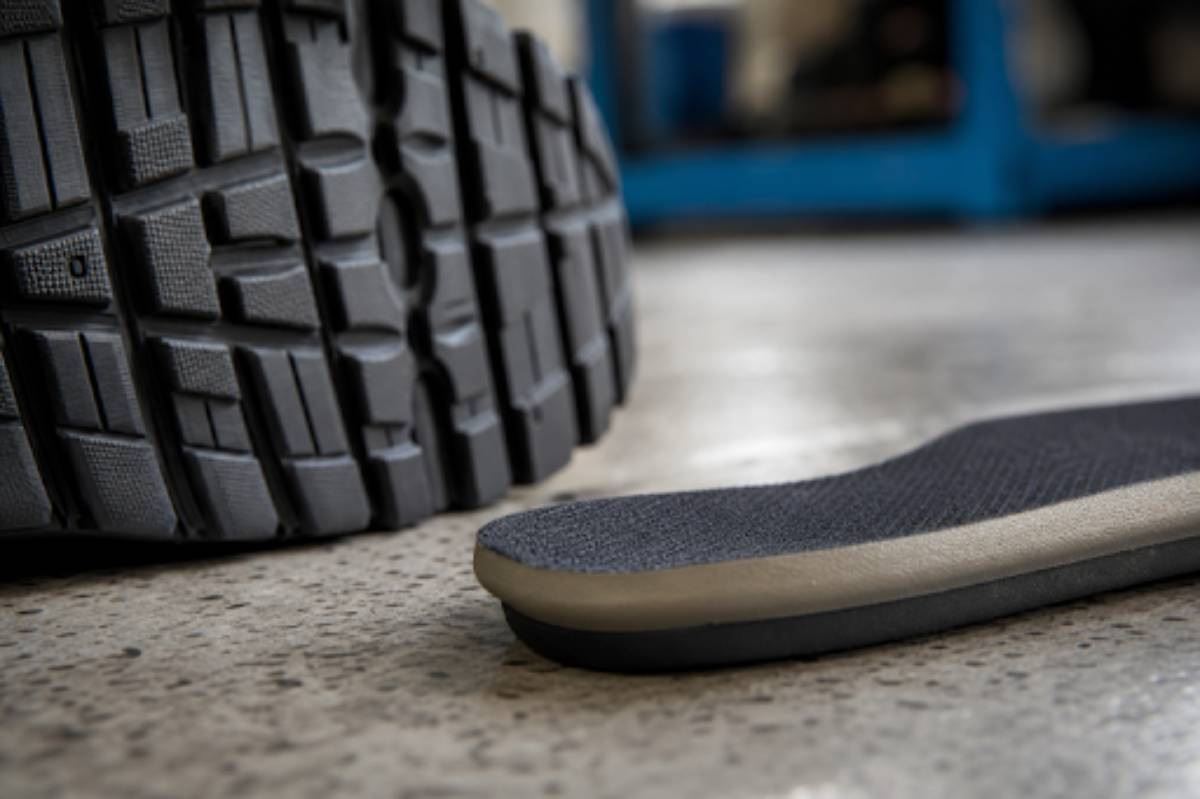
Comfort is not one feature. It is the result of a shoe working well with your foot and your routine. A guide to shoes for standing all day similarly highlights the value of stable support, cushioning, heel security, and adequate toe room rather than treating softness as the only goal.
- Secure heel: Your heel should stay in place without sliding or rubbing.
- Roomy forefoot: Toes need enough room to rest without being squeezed together.
- Balanced cushioning: The shoe should feel protective without feeling unstable or overly squishy.
- Useful flexibility: It should bend near the ball of the foot while remaining supportive through the middle.
- Reliable traction: An outsole with grip can be helpful on smooth floors and during quick turns.
- Breathable materials: Better airflow can reduce the heat and moisture that contribute to friction.
- Removable insoles: These create flexibility if you use a personal insert or need more room.
Details that seem minor during a quick fitting can become important over several hours. For example, a smooth interior can reduce rubbing, while an adjustable lace, strap, or buckle may help accommodate small changes in foot volume during the day.
How to Test the Fit Before Buying
A shoe that feels acceptable for a few minutes can become uncomfortable halfway through a shift. Try both shoes, not just one, and wear the same type of socks or liners you expect to use at work.
- Shop later in the day, when feet may be a little larger than they are early in the morning.
- Stand up and check that your longest toe is not pressed against the front.
- Walk on a firm surface and notice heel slipping, rubbing, pinching, or instability.
- Check that the widest part of your foot is not compressed by the upper.
- If possible, test stairs, turns, and several minutes of standing.
- Confirm the return policy before wearing the pair outdoors.
Do not assume a painful pressure point will disappear with break-in time. Some materials may soften slightly, but shoes that are clearly too short, narrow, loose, or unstable at the start are unlikely to become a reliable work pair.
How to Build a Simple Work Shoe Rotation
A Three-Shoe Starting Point
- The polished pair: A neat option for presentations, office days, and formal meetings.
- The walking pair: A supportive choice for commuting, errands, and high-step days.
- The practical pair: An easy-clean or weather-ready shoe for demanding conditions.
Start with the pair that solves your biggest problem first. If hard floors leave your feet tired, prioritize a stable pair for walking. If rain keeps ruining office shoes, add a practical option next. Keep brief notes on when discomfort appears, since pain in the heel, toes, arch, or top of the foot can indicate different fit issues. This approach can also prevent impulse purchases that look appropriate but do not serve a clear role in your weekly routine.
Flats, Sneakers, and Loafers: Choosing the Right Role
Flats
Flats can work well in business-casual settings, but very thin soles may be less comfortable for extended standing on hard surfaces. Look for a secure heel, enough toe space, and more structure than a flimsy slipper-like design.
Sneakers
Sneakers often suit walking-heavy days because they are commonly designed with cushioning and flexible uppers. Choose a clean, workplace-appropriate style if your office allows them, and make sure the shoe feels stable rather than simply soft.
Loafers
Loafers offer a polished appearance and easy slip-on convenience. Fit is especially important because a rigid upper, narrow toe shape, or tight instep can become uncomfortable over time. Walk in them indoors before committing to a full workday.
Care Tips That Extend Comfort
- Let shoes air out between wears.
- Clean dirt, salt, and spills before they set into the material.
- Replace worn liners and socks that increase rubbing.
- Use exercise-specific shoes for workouts when possible.
- Check for uneven outsole wear, worn heels, or compressed cushioning.
- Move your feet and gently stretch your calves after prolonged standing.
Do not rely on a new pair of shoes to hide recurring symptoms. Podiatrist guidance for people who work on their feet emphasizes seeking professional help when foot discomfort or repeated injuries interfere with work responsibilities. Drying shoes away from direct high heat and storing them in a well-ventilated area can also help preserve their shape and materials between workdays.
Common Questions About Workday Footwear
How many pairs of work shoes are enough?
Two dependable pairs can cover a simple routine. Three pairs provide more flexibility for weather, dress codes, and high-activity days.
Should work shoes feel soft right away?
Softness is only one part of comfort. A better test is whether the shoe feels stable, secure, and free of pressure points while you walk and stand.
When should work shoes be replaced?
Consider replacing them when the outsole wears unevenly, the heel leans, cushioning feels flat, the upper tears, or a formerly comfortable pair starts causing new discomfort.
What if foot pain continues after changing shoes?
Persistent or worsening pain should not be ignored. A qualified medical professional can assess the problem and recommend next steps based on your symptoms and health history.
Final Thoughts
Comfortable work footwear is less about finding a single perfect shoe and more about creating a dependable system that supports your routine. Choose pairs that suit your schedule, workplace conditions, walking demands, and the amount of time you spend standing or moving throughout the day. Test the fit carefully, paying attention to overall comfort, available space for your toes, support, and whether the shoes feel secure when walking. It can also help to rotate shoes when practical, giving each pair time to air out and allowing you to use different options for different workdays or activities. Pay attention to changes in comfort as materials compress, soles wear down, or cushioning loses its original feel. Replacing footwear before worn materials begin affecting stability or comfort can make long workdays easier to manage. Small adjustments in footwear, fit, and rotation