Table of Contents
- Comprehensive Care
- Structured Environment
- Peer Support
- Access to Medical Services
- Focus on Recovery
- Aftercare Planning
- Economic Benefits
- Final Thoughts
Choosing the right approach for addiction recovery is critical to long-term success. Residential treatment programs offer an environment specifically designed to foster healing and help individuals develop the tools they need to overcome substance use disorders. In these settings, people gain access to a variety of evidence-based therapies, peer support, and essential medical care, all of which contribute to the possibility of lasting recovery. For those considering their options, inpatient rehab in Lawrenceville, GA provides a strong example of how residential programs can profoundly impact recovery outcomes.
Unlike outpatient programs, residential treatment removes individuals from potentially triggering environments and offers structure, focus, and round-the-clock support. This commitment creates a safe space where personal growth and healing take center stage, away from outside stresses and distractions.
Comprehensive Care
Residential treatment centers take a holistic approach to recovery, addressing the mind, body, and spirit. This comprehensive care includes individual and group counseling, as well as holistic therapies like yoga, mindfulness, and nutritional support. By focusing on these different aspects, programs target the root causes of addiction and help individuals make meaningful changes for a healthier future. According to the National Institute on Drug Abuse, effective treatment should address multiple needs of the individual, not just drug use, making comprehensive care a vital piece of successful recovery.
Structured Environment
One of the most significant benefits of residential programs is the highly structured environment they provide. Daily schedules combine evidence-based therapy sessions, educational workshops, and wellness activities. This structure limits idle time, reduces exposure to triggers, and helps residents develop new routines that support sobriety. For many, this level of routine builds the foundation for a stable, drug-free lifestyle once treatment ends.
Peer Support
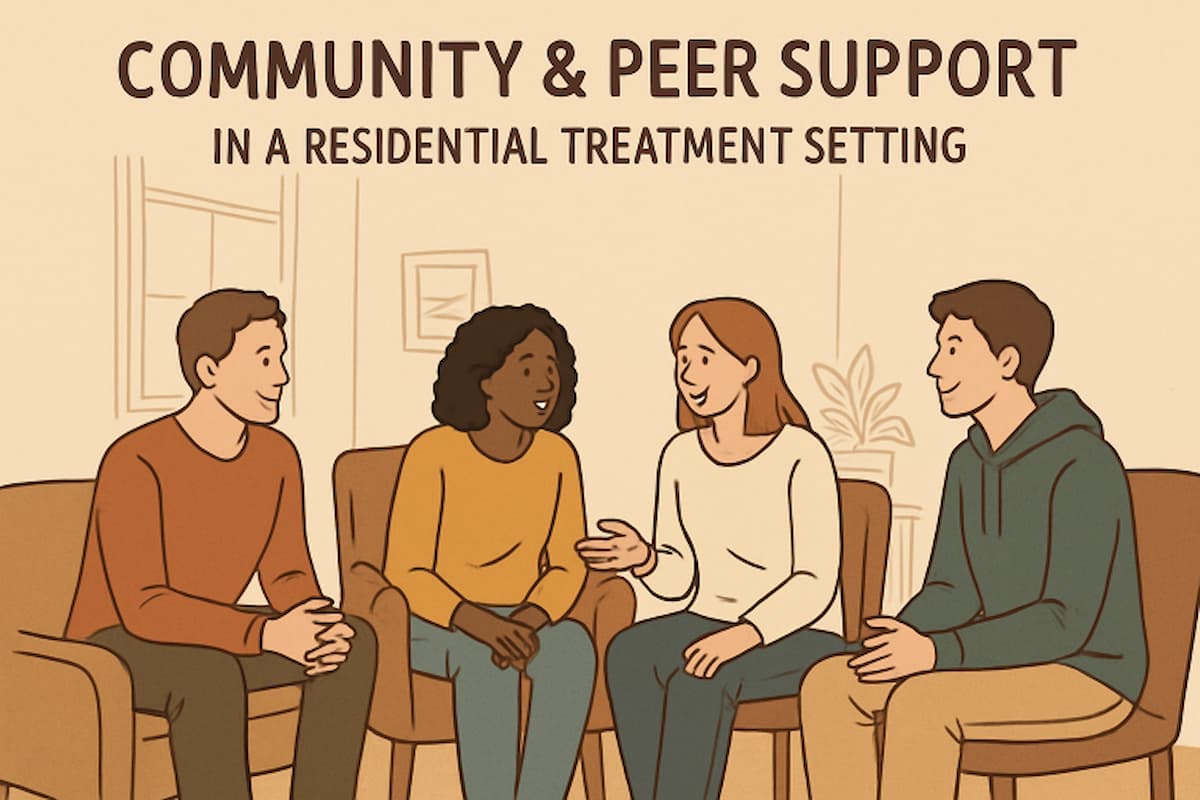
Recovery can often be an isolating journey, but residential programs counter that by fostering an environment where individuals support each other. Group therapy and shared living arrangements create opportunities for meaningful connections and encouragement. This peer support, according to the Substance Abuse and Mental Health Services Administration, helps reduce feelings of shame and stigma, which are major barriers to seeking help and sustaining recovery.
Access to Medical Services
Residential programs provide immediate access to professional medical care for all stages of treatment. Medical detox is often available, along with ongoing supervision from healthcare professionals who are trained to manage withdrawal symptoms and monitor health concerns. This medical support is crucial as it helps clients move past the most physically challenging phases of addiction safely and with greater comfort. Should mental health concerns arise, staff can quickly intervene and provide appropriate support or medication management.
Focus on Recovery
By temporarily removing individuals from environments where stress, temptation, or negative influences are present, residential treatment centers allow residents to focus fully on healing and learning. With fewer distractions, clients can dedicate energy to therapy, develop coping mechanisms, and gain insight into the underlying issues driving their substance use. This dedicated focus is often cited as a key advantage of inpatient care, especially for those who have struggled to maintain sobriety in less intensive settings.
Aftercare Planning
Preparing for life after treatment is just as important as the work done during a residential stay. Effective programs develop comprehensive aftercare plans tailored to each individual, involving outpatient counseling, peer support groups, and connections to community resources. These plans create continuity of care and support long-term sobriety, while reducing the risk of relapse during periods of transition. Patients are empowered with a realistic plan for continued recovery, increasing their chances of rebuilding a stable and healthy life outside the treatment center. The importance of aftercare is emphasized by resources such as Mayo Clinic, which recognizes ongoing support as essential for addiction recovery.
Economic Benefits
Beyond health and emotional advantages, residential addiction treatment is shown to produce significant economic benefits. Research suggests that every dollar invested in residential programs generates over four dollars in societal savings. These cost savings factor in reduced healthcare use, lower crime rates, and increased productivity among individuals who achieve long-term recovery. Such economic returns make residential treatment an investment that pays dividends not only for individuals and families but also for communities and society at large.
Final Thoughts
Residential treatment centers provide the comprehensive care, structure, and support essential for overcoming addiction. Their environments foster healing by removing distractions and enabling a singular focus on recovery. Through tailored aftercare planning and continuous medical oversight, participants are well-equipped to maintain lasting sobriety. For anyone seeking a meaningful and lasting solution to addiction, residential treatment offers hope and a path toward a healthier, brighter future.