Key Takeaways
- Consistent cleaning of high-touch surfaces helps decrease illness transmission rates among students and staff.
- Proper ventilation and attention to air quality are foundational for a healthy school setting.
- Eco-conscious cleaning protects the environment while reducing exposure to harsh chemicals.
- School-wide engagement creates a culture of cleanliness and collective responsibility.
Table of Contents
- Importance of Cleanliness in Schools
- High-Touch Surfaces and Cleaning Protocols
- Ventilation and Indoor Air Quality
- Eco-Friendly Cleaning Practices
- Engaging the School Community
- Training and Empowering Cleaning Staff
- Monitoring and Evaluating Cleaning Efforts
- Conclusion
Creating a healthy and clean school environment is vital for both academic achievement and the overall well-being of students and staff. When schools maintain rigorous cleanliness standards, they significantly reduce the risk of illness, improve attendance, and foster an atmosphere that is welcoming and conducive to learning. Professional cleaning services for schools can play a key role in ensuring a consistently hygienic environment that supports every aspect of school life.
Beyond reducing the spread of germs and illness, a clean school environment also sets a positive example for students, teaching them about responsibility and the value of respecting communal spaces. Investing in structured cleaning policies and best practices leads to tangible benefits for the entire school community.
In addition to in-house cleaning policies, many schools benefit from the expertise and support provided by Ames Janitorial Services, specialists who understand the unique cleaning needs of educational facilities and offer customized solutions to maintain safe and inviting environments.
Importance of Cleanliness in Schools
Cleanliness within schools is not just a matter of appearance. Academic research has drawn a direct link between properly maintained facilities and improved educational outcomes. For example, cleaner schools experience lower rates of student absenteeism, which can have a direct positive effect on learning progress and achievement. A 2022 study published by the Centers for Disease Control and Prevention highlights that proactive sanitation policies can reduce in-school transmission of common illnesses by up to 20 percent.
High-Touch Surfaces and Cleaning Protocols
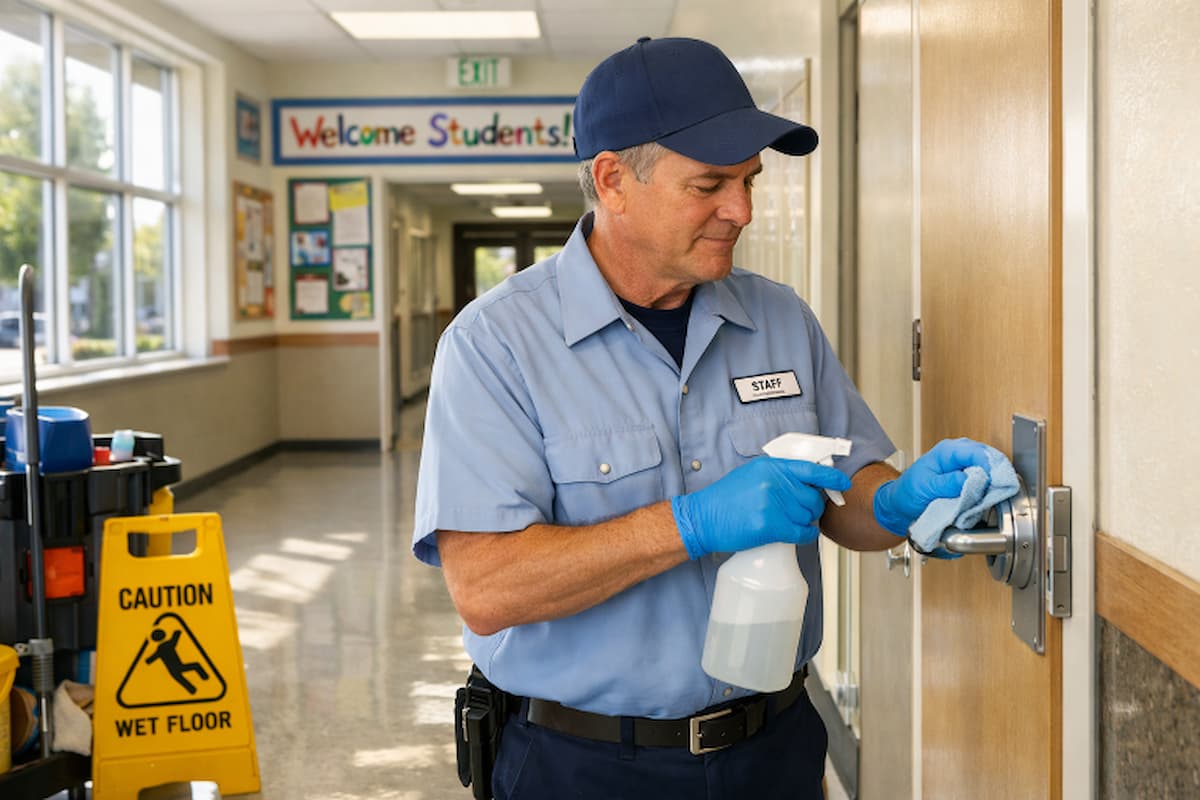
School environments are filled with frequently touched surfaces such as desktops, computer keyboards, door handles, and light switches. These areas can quickly become reservoirs for bacteria and viruses. Adopting a thorough cleaning schedule that prioritizes regular disinfection of these areas is critical. Using EPA-approved disinfectants ensures the effective elimination of most pathogens without causing harm to students and staff. Educational institutions should also consider periodic deep cleans, especially during times of elevated illness risk or after large events.
Ventilation and Indoor Air Quality
Maintaining good air quality is essential for physical health and cognitive function. Indoor air pollutants found in educational settings can exacerbate allergies, asthma, and even cause distraction and fatigue among students. Schools should ensure that their HVAC systems are clean, filters are replaced regularly, and that ventilation meets ANSI/ASHRAE standards for educational facilities. Improving airflow by opening windows or integrating air purifiers with HEPA filters further decreases airborne contaminants and supports overall wellness.
Eco-Friendly Cleaning Practices
As schools focus more on sustainability, eco-friendly cleaning practices are becoming the norm. Switching to green cleaning products that are certified to be low in volatile organic compounds (VOCs) and free from toxic substances protects both the environment and school occupants. Additionally, utilizing microfiber cloths, HEPA filter vacuums, and refillable cleaning systems reduces waste, diminishes chemical exposure, and often proves more cost-effective in the long term. Going green with cleaning programs helps schools become better stewards of both their health and their natural resources.
Engaging the School Community
Cleanliness in schools is most effective when it is a shared responsibility. Establishing hygiene guidelines, such as regular handwashing, proper waste disposal, and classroom tidiness, helps make cleanliness a daily habit. Creating incentives or recognition programs for students and teachers who demonstrate outstanding efforts further engrains these values. Open communication around cleaning schedules and health policies strengthens trust and accountability, making everyone feel safer and more respected in their learning environment.
Training and Empowering Cleaning Staff
Custodial staff form the backbone of any school cleaning program. Continuous training is essential to ensure they are up to date on the latest cleaning techniques, product usage instructions, and safety measures. Schools should also foster a culture where custodial teams feel valued and empowered, recognizing their work as integral to the health and safety of the school. Providing the right tools, fair compensation, and opportunities for professional growth increases team morale and retention, leading to better outcomes overall.
Monitoring and Evaluating Cleaning Efforts
Assessment is key to sustaining high standards. Schools should implement regular audits using comprehensive checklists as well as channels for student, parent, and staff feedback. Monitoring outcomes not only identifies areas needing improvement but also helps administrators allocate resources more effectively. Transparent reporting ensures stakeholders remain informed and reassured of the ongoing commitment to a healthy school.
Conclusion
Upholding best practices for cleanliness in schools requires diligence, teamwork, and a commitment to health and learning. By implementing robust cleaning routines, ensuring high air quality, adopting sustainable practices, engaging the entire school community, and investing in custodial staff, schools create vibrant educational spaces where students can thrive. Consistent evaluation and communication complete the cycle, helping secure a safe, bright future for every learner.