Key Takeaways
- Construction managers oversee all phases of a project, from initial planning to final completion.
- They create detailed project schedules and coordinate trades to prevent delays and maximize productivity.
- Budget management, cost tracking, and financial reporting are core responsibilities to avoid overruns.
- Quality control ensures compliance with building codes, standards, and client expectations.
- Risk management and safety oversight protect workers, assets, and project timelines.
- Effective communication and coordination with all stakeholders prevent misunderstandings and maintain accountability.
- Final inspections and punch list management ensure a successful project handover and client satisfaction.
Introduction
Construction managers are essential players in every building project, providing guidance, leadership, and problem-solving expertise from the earliest planning stages to final completion. Their duties touch every aspect of the project, blending hands-on oversight with advanced organizational skills. Anyone seeking to understand the scope of modern construction management will find value in viewing the responsibilities from start to finish. For a detailed breakdown of construction management services, visit https://koehncs.com/delivery/construction-management/ for industry insights and examples of professional project execution.
In the following sections, you will gain a comprehensive understanding of what construction managers do daily, the challenges they face, and the skill sets that make them so crucial for project success.
Project Planning and Scheduling
Project planning is foundational in construction management. Before any work begins, managers create in-depth project plans that serve as a roadmap for the entire build. These plans contain clearly outlined objectives, critical milestones, resource allocation strategies, and designated end goals. Managers use scheduling tools and methods, such as Gantt charts, to map out each phase and visually track daily, weekly, and monthly progress. Their foresight ensures that the right trades are on-site at the right time, reducing delays and maximizing productivity.
Coordination is another vital element. If one crew falls behind, it can affect every subsequent task in the schedule. Construction managers are responsible for identifying potential scheduling bottlenecks and quickly implementing adjustments that keep the project on track.
Budget Management
Financial stewardship is at the core of a construction manager’s responsibilities. Before breaking ground, managers work intensively on estimating costs for labor, materials, permits, and subcontractors. They must be diligent in their estimations, as mistakes can severely impact the project’s financial footing. Once underway, construction managers monitor expenses on an ongoing basis, comparing actual costs to the projected budget and identifying opportunities to optimize or recalibrate spending when unforeseen costs arise.
Having visibility on cash flow, resource allocation, and procurement schedules allows construction managers to avoid overruns that can jeopardize not only the project but also the client relationship. Accurate reporting, transparency, and accountability are vital practices in this phase.
Quality Control and Assurance
Delivering a high-quality final product is non-negotiable for construction managers. They regularly conduct site inspections and use checklists to ensure that all phases of work comply with engineering and architectural standards. Verifying that all building materials meet strict code requirements is a must. Construction managers are responsible for ensuring that skilled labor completes every task correctly and safely, thereby helping prevent costly rework, delays, and future liability.
A robust quality control program not only protects client investments but also strengthens a company’s reputation for reliable, durable workmanship. Consistent checks and documented inspections make it easier to address issues long before they escalate.
Risk Management
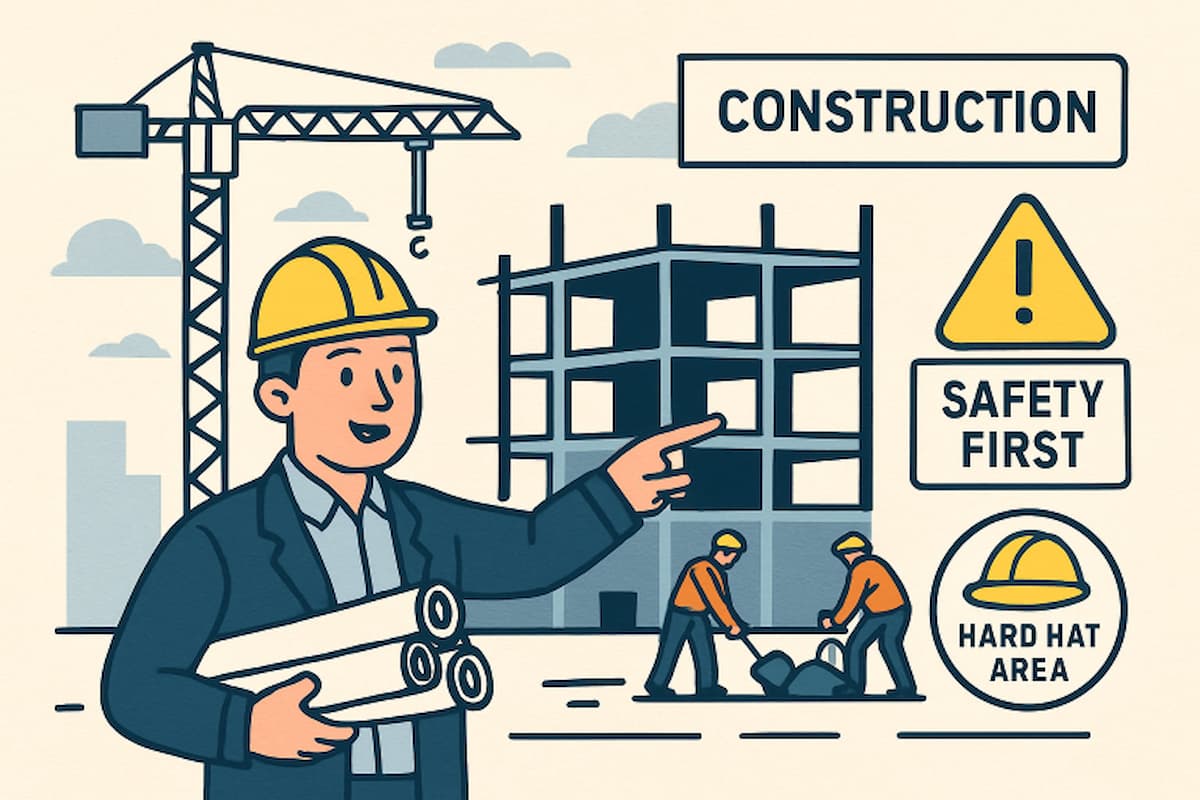
Construction is inherently unpredictable due to the number of variables at play. From material shortages and labor challenges to unpredictable weather and equipment breakdowns, construction managers need to be vigilant about identifying risk factors early. The most effective managers maintain detailed risk registers and develop proactive mitigation strategies for the most common threats. This helps the project remain stable in the face of challenges, supporting consistent progress and safeguarding timelines and budgets.
Instituting insurance requirements, enforcing site security procedures, and establishing clear communication protocols are just a few of the risk management strategies employed by experienced construction managers.
Safety and Compliance Oversight
Ensuring a safe working environment is a top priority on any construction site. Construction managers build safety into every phase, developing and enforcing comprehensive protocols customized for the specific site and project. OSHA regulations, local building codes, and environmental standards must all be strictly followed. Managers train their teams, hold regular safety briefings, and lead by example to foster a culture where safety is everyone’s responsibility.
Through consistent site audits and fast response to potential hazards, construction managers protect both their crew and the project’s continuity. According to guidelines from the Occupational Safety and Health Administration (OSHA), consistent oversight and training can significantly reduce injuries and preventable incidents.
Communication and Coordination
Construction projects bring together a complex web of stakeholders, making communication a vital daily task for managers. Clear lines of communication between owners, architects, engineers, and subcontractors help ensure everyone is aligned with the project’s scope, schedule, and regulations. Construction managers lead regular meetings, produce progress reports, and resolve conflicts when disputes arise. As the central point of contact, the manager’s role is to prevent misunderstandings and ensure everyone is informed and accountable.
Coordination also means aligning inspections, utility connections, and deliveries so that no phase of the build is held up unnecessarily.
Final Inspections and Project Completion
As construction draws to a close, the manager’s focus shifts to final project turnover. This involves carefully coordinating all inspections, snag lists, and final walk-throughs with the owner. Construction managers verify that all punch list items have been completed and that the finished product meets the client’s precise specifications. Only then do they hand over the site and relevant documentation – a milestone marking the project’s official end.
By maintaining strict standards from day one through completion, construction managers offer clients peace of mind and ensure long-term satisfaction with the final result.
Final Thoughts
The responsibilities of a construction manager are intricate and varied, encompassing every detail that brings a project to life. From planning and budgeting through quality and risk management to final handover, their expertise is the deciding factor in whether a construction project is completed safely, on time, and to the highest possible standards. The construction manager’s role remains indispensable in building the skylines and infrastructure that shape our world’s future.