Key Takeaways
- Small cracks, stains, loose finishes, and drainage issues can worsen if they are ignored.
- Visible damage may be cosmetic, but recurring moisture, movement, corrosion, or falling material requires closer attention.
- Safe ground-level checks, photographs, and clear records make it easier to identify changes over time.
- Effective repairs address the cause of damage, not just the surface appearance.
- Safety, access, weather, approvals, materials, and future maintenance should be considered before work begins.
Sydney buildings face a demanding mix of coastal air, seasonal rain, sun exposure, wind, and everyday urban wear. Whether you manage a terrace in the Inner West, an apartment block near the harbor, or a commercial property in the CBD, early attention to exterior defects can reduce disruption and help protect the people using the building. Professional Facade remediation services Sydney property owners rely on can help investigate defects before a small visible issue develops into a wider repair project. Exterior maintenance is not only about presentation. Walls, balconies, windows, roof edges, drainage components, and finishes work together to manage water and weather exposure. A planned approach helps owners prioritize safety, identify likely causes, and make repair decisions with long-term performance in mind.
Why Exterior Maintenance Deserves Regular Attention
A building exterior is its first line of defense against rain, heat, wind, and moisture. When joints fail, gutters overflow, coatings break down, or cracks allow water to enter, the effects may extend beyond the outer wall. Dampness can affect internal finishes, rust can develop around metal components, and loose materials can create a risk around entrances, balconies, or footpaths. In a dense city, owners should also consider the public areas around their properties. The City of Sydney notes that building owners are responsible for ensuring that building features are structurally sound, particularly where aging awnings, balconies, handrails, glazing, or drainage systems may require attention.
Common Signs That A Building Exterior Needs Attention
A visual check cannot diagnose every issue, but it can reveal changes worth investigating. Look for:
- New, widening, or recurring cracks around walls, openings, balconies, and joints.
- Flaking paint, bulging render, hollow-sounding finishes, or loose masonry.
- Rust-coloured staining below cracks, concrete edges, or metal fixings.
- Water stains, mould, damp patches, or blistering coatings near exterior walls.
- Gaps around windows, doors, flashings, roof edges, and service penetrations.
- Blocked gutters, damaged downpipes, ponding water, or poor drainage near the building.
Cosmetic Damage Or A Deeper Building Problem?
Not every mark means a major defect. Light fading, isolated scuffs, and small areas of worn paint can be signs of wear. However, peeling paint can also indicate trapped moisture, while cracks may be associated with movement, failed joints, corrosion, or water-related deterioration.
- Usually cosmetic: minor fading, surface marks, or isolated paint wear on an otherwise sound surface.
- Needs closer review: damp patches, repeated cracking, loose finishes, rust staining, or water entry.
- Potentially urgent: falling material, exposed reinforcement, unstable balcony elements, or sudden visible movement.
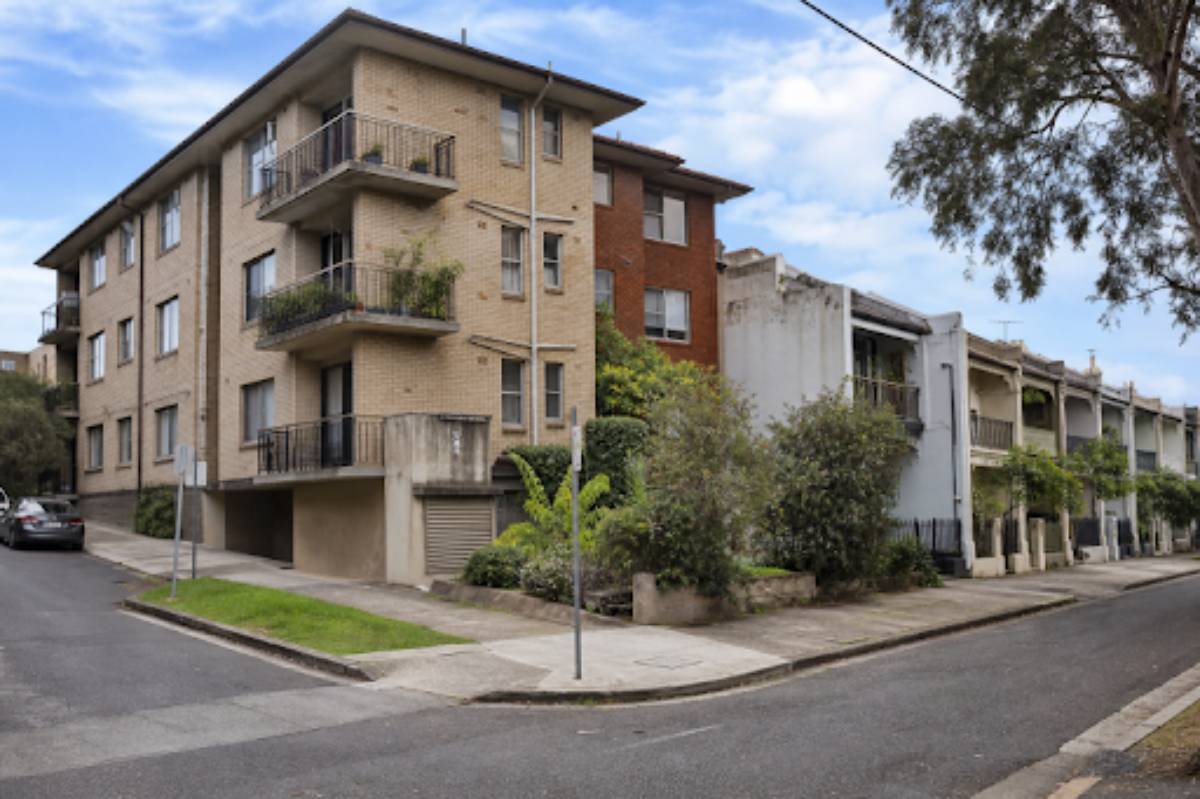
How To Carry Out A Safe Visual Check
- Walk around the property from ground level and stay clear of unstable-looking areas.
- Check each side of the building, including entries, balconies, windows, roof lines, and drainage points.
- Take clear photographs from a safe distance.
- Record each issue by location, approximate size, color, and date observed.
- Compare photographs with earlier records where available.
- Keep residents, visitors, and pedestrians away from areas where material appears loose.
- Arrange a qualified assessment when damage is unexplained, worsening, or difficult to inspect safely.
When Exterior Damage Requires Urgent Action
Some problems should not wait for a routine maintenance cycle. Loose stone, render, tiles, glass, awning components, or balcony materials can create an immediate hazard. Restrict access to the affected area, notify building management or occupants, and seek appropriately qualified advice. Do not climb ladders, tap suspect surfaces, or attempt to remove unstable material without suitable controls in place.
Planning An Exterior Repair Project
Repair methods should follow an inspection and a defined scope of work, rather than assumptions based on photographs alone. A useful plan should:
- Identify the affected areas and the likely cause of the damage.
- Check nearby surfaces for similar defects.
- Set out required repairs, materials, finishes, and drainage improvements.
- Confirm access needs, such as scaffolding, elevated work platforms, barriers, or protective screens.
- Allow for weather, approvals, resident communication, and a final quality check.
Why Finding The Cause Matters
Covering a damaged surface without addressing its cause often leads to repeated work. Repainting a damp wall, for example, may temporarily improve its appearance, but the coating can fail again if a leaking gutter, a failed seal, a cracked joint, or a drainage problem remains. The same principle applies to corrosion, masonry cracking, and failed balcony finishes.
Choosing Repair Materials And Finishes
Materials should suit the existing building and its exposure. This is particularly important for older brickwork, sandstone, rendered façades, and heritage-style details common across Sydney. Consider compatibility, texture, color, flexibility, moisture movement, and future cleaning or recoating needs. Avoid sealing over damp surfaces until the source of moisture has been investigated.
Access, Safety, And Disruption
Exterior repairs can affect residents, tenants, pedestrians, parking, and nearby businesses. Ask how workers will access the area, how debris and dust will be controlled, what happens during wet or windy conditions, and who will communicate schedule changes. Sydney’s rainfall occurs throughout the year, with wetter monthly totals more common from December to May, so realistic weather allowances are sensible when programming exterior work.
Budgeting For Repairs Without Cutting Corners
Compare quotes on scope and outcomes, not price alone. Include investigation, preparation, access, labor, materials, safety measures, clean-up, and follow-up inspections. Separating the budget into immediate safety work, essential repairs, and planned improvements can help owners address priority issues while responsibly scheduling non-urgent upgrades.
Records That Make Future Maintenance Easier
Maintain a simple digital file containing dated photos, inspection reports, quotes, invoices, warranties, approvals, material details, and completion notes. Clear records help identify recurring issues, support future budgeting, and show which areas have already been repaired.
Questions Property Owners Commonly Ask
How Often Should A Building Exterior Be Checked?
The right frequency depends on the building’s age, materials, location, condition, and repair history. Regular visual checks are useful, while detailed inspections may be appropriate after severe weather or when defects are identified.
Are Small Cracks Always Serious?
No, but changes in size, direction, depth, location, or frequency deserve attention. Cracks around openings, balconies, structural elements, and water entry points should be reviewed carefully.
Can Painting Hide Exterior Damage?
Paint can protect suitable prepared surfaces, but it should not be used to conceal active moisture, movement, corrosion, or loose material.
What Should Happen After Repairs Are Finished?
Complete a final review, confirm that drainage paths are clear, remove temporary protections when safe, photograph the completed work, and store all relevant documents.
A Simple Exterior Maintenance Checklist
- Inspect walls, windows, balconies, roof edges, and drainage points from ground level.
- Photograph and date cracks, stains, gaps, and loose finishes.
- Prioritize safety and water control before cosmetic upgrades.
- Keep people away from potentially unsafe areas.
- Arrange qualified advice for worsening or unclear defects.
- Store repair records and schedule follow-up checks.
Final Thoughts
Exterior repairs are easier to manage when issues are identified early and planned carefully. For Sydney, NSW property owners, regular checks can help identify cracks, water entry, damaged finishes, corrosion, drainage problems, loose materials, and other signs of deterioration before they become more difficult to address. The appropriate repair method should be based on the cause, extent, location, and condition of the affected area rather than relying on a temporary cosmetic fix. Clear documentation, including photographs, inspection findings, repair records, and contractor information, can also make it easier to monitor changes and plan future maintenance. Property owners should pay particular attention to safety concerns such as unstable materials, damaged balconies, loose façade elements, or areas affected by persistent water entry. Where the cause or severity of a defect is uncertain, obtaining useful professional advice can help clarify the required scope of work. By combining regular inspections, appropriate repair methods, clear records, and prompt attention to safety concerns, owners can help protect the building, its occupants, and the surrounding community while planning maintenance more effectively o