

Core Pillars of Residential HVAC and Plumbing Maintenance
We all rely on our home’s heating, cooling, and plumbing systems every day. When these vital systems break down, it can cause major stress and unexpected costs. But what if we told you there’s a simple way to avoid many of these headaches?
Regular maintenance is key. It keeps your home comfortable, safe, and efficient. It also helps you save money on energy bills and prevents expensive emergency repairs in the long run.
In this guide, we will explore essential tips for maintaining your residential HVAC and plumbing. We will cover everything from simple DIY checks to knowing when to call a professional. Our goal is to help you understand your home’s vital systems better. We want to empower you to keep them running smoothly for years to come.
Maintaining the essential systems in our homes—HVAC, plumbing, and even major appliances like ovens—is about more than just fixing things when they break. It’s about a proactive approach that ensures system synergy, optimizes utility management, and guarantees component safety. Routine upkeep not only protects the structural integrity of our homes but also prepares them for seasonal transitions, ensuring year-round comfort and efficiency. By understanding these core pillars, we can extend the lifespan of our equipment, improve indoor air quality, conserve energy, and significantly reduce our utility costs. This holistic view of home maintenance empowers us to make informed decisions that benefit both our living environment and our wallets.
Taking a systematic approach to home maintenance, much like planning for any major project, can save countless hours and dollars. It’s about creating a rhythm of care for your home’s most hardworking systems. For instance, a well-maintained HVAC system works in harmony with an efficient plumbing setup to prevent issues like excess humidity or water damage, which can impact heating and cooling performance. This interconnectedness means that neglecting one area can often lead to problems in another. Embracing a comprehensive annual maintenance cycle helps us stay ahead of potential issues, transforming reactive repairs into predictable, manageable tasks.
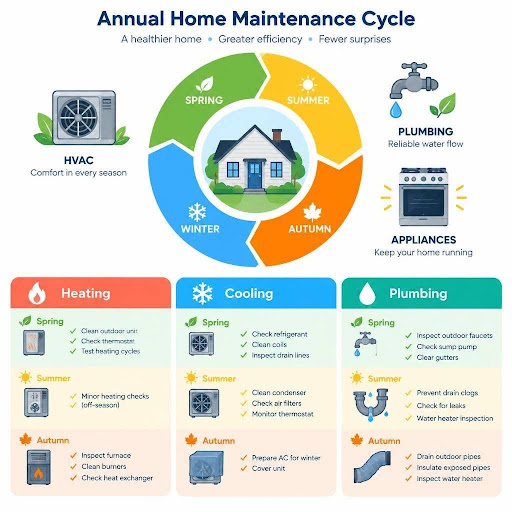
Season Heating Inspection Tasks Cooling Inspection Tasks Plumbing Inspection Tasks Spring Clean outdoor unit, check thermostat, test heating cycles Check refrigerant, clean coils, inspect drain lines Inspect outdoor faucets, check sump pump, clear gutters Summer Minor heating checks (off-season) Clean condenser, check air filters, monitor thermostat Prevent drain clogs, check for leaks, water heater inspection Autumn Inspect furnace, clean burners, check heat exchanger Prepare AC for winter, cover unit Drain outdoor pipes, insulate exposed pipes, inspect water heater Winter Test carbon monoxide detectors, monitor heating performance Minor cooling checks (off-season) Check for frozen pipes, monitor water pressure, inspect seals Seasonal Heating and Cooling Checklist
As we move through the seasons, our heating and cooling systems bear the brunt of temperature fluctuations. A seasonal checklist is indispensable for ensuring their optimal performance. In spring, as we transition from heating to cooling, it’s crucial to replace air filters, inspect blower fans for dust buildup, and ensure refrigerant levels are adequate for the upcoming summer. Condensate lines should be cleared to prevent blockages and potential water damage. For autumn, before the chill sets in, we focus on the heating side: inspecting the burner assembly, checking heat exchangers for cracks, and testing the heating cycles to ensure reliability. Seasonal testing helps identify minor issues before they escalate into costly emergency repairs during peak demand.
Essential Plumbing Inspection Points
Plumbing, often out of sight and out of mind, requires diligent attention to prevent leaks and water damage. Regularly inspecting supply lines for any signs of corrosion or drips is fundamental. Drain traps should be checked for blockages and proper sealing to prevent unpleasant odors and slow drainage. It’s wise to locate and test all main shutoff valves, ensuring they function correctly in case of an emergency. Monitoring water pressure throughout your home can help identify potential issues, as excessively high pressure can damage pipes and fixtures. Beyond the visible, we should also inspect fixture integrity, looking for loose handles or leaky faucets, and be vigilant for any signs of corrosion on pipes or connections. For homes with basements, a functioning sump pump is a critical defense against flooding, warranting regular checks.
Preventive HVAC Care for Year-Round Comfort
Achieving consistent comfort in our homes hinges on proactive HVAC care. This involves more than just setting the thermostat; it encompasses a range of tasks designed to optimize airflow balance, maintain evaporator coils and condenser units, ensure ductwork sealing, and keep outdoor clearance free from obstructions. Paying attention to these details not only enhances the system’s energy ratings but also contributes to a healthier indoor environment. Just as we ensure our vehicles receive regular tune-ups, our HVAC systems benefit immensely from scheduled preventive measures, preventing minor issues from escalating into major breakdowns.
Airflow Optimization and Filter Care in Residential HVAC and Plumbing Maintenance
The heart of an efficient HVAC system lies in its ability to move air effectively. Airflow optimization starts with the humble air filter. We recommend regularly checking and replacing air filters, ideally every 1-3 months, depending on household occupancy and pet ownership. Opting for pleated filters with appropriate MERV ratings can significantly improve indoor air quality by trapping more particulates, dust, and allergens. Neglecting filter changes leads to increased static pressure within the system, forcing your blower fan to work harder, consuming more energy, and potentially shortening its lifespan. Beyond filters, ensuring that all register vents are open and clear of obstructions, and regularly cleaning dust buildup from return air grilles, contributes to balanced airflow and efficient heating and cooling throughout your home.
Thermostat Calibration and Electrical Checks
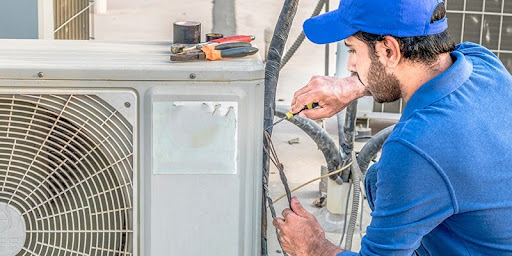
Your thermostat is the brain of your HVAC system, and its accuracy is paramount for efficient operation. Over time, thermostats can drift, leading to inaccurate temperature readings and unnecessary energy consumption. Regular calibration, or upgrading to a smart thermostat, can ensure your system operates precisely as intended. Beyond temperature control, electrical checks are vital for safety and performance. This includes inspecting contactors for wear, ensuring wiring safety, and testing capacitors, which are crucial for starting and running motors in your HVAC unit. Voltage monitoring helps detect fluctuations that could damage components, and observing cycle times can indicate whether your system is running too frequently or not often enough, signaling potential issues that require attention.
Critical Home Plumbing Upkeep and Leak Prevention
Plumbing systems, though robust, require consistent attention to prevent leaks, maintain water quality, and ensure longevity. Effective upkeep involves more than just fixing obvious drips; it extends to proactive measures like pipe insulation to prevent freezing, ensuring proper pressure relief, and managing sediment buildup in water heaters. Regularly checking fixture seals and understanding backflow prevention are also crucial. Knowing your home’s shutoff mechanisms is a critical safety measure, allowing for quick action in an emergency.
Water Heater Flushing and Pipe Care
Our water heaters work tirelessly, and flushing them annually is a critical maintenance step. This process helps purge sediment buildup from the tank, which can reduce efficiency and shorten the unit’s lifespan. For tankless water heaters, descaling is the equivalent, ensuring heat exchangers remain clear. Inspecting the anode rod in traditional tanks is also vital, as it sacrifices itself to prevent tank corrosion. Beyond the heater, proper pipe care involves checking for thermal expansion issues and ensuring good water quality to prevent copper corrosion. While PEX plumbing offers excellent durability, all pipes benefit from visual inspections for any signs of wear or damage. Maintaining optimal temperature regulation not only saves energy but also ensures the safety and comfort of our hot water supply.
Drain Management and Pressure Regulation
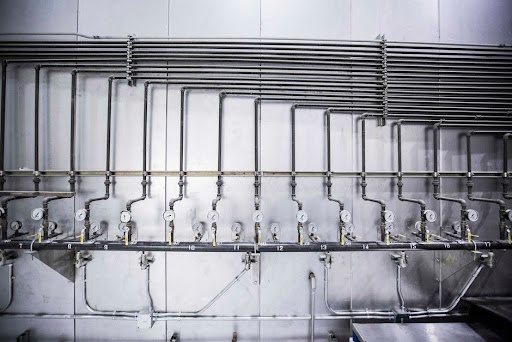
Effective drain management is key to preventing clogs and maintaining a healthy plumbing system. Regularly clearing drains of hair, grease, and other debris can prevent slow drainage and costly blockages. Using drain screens and avoiding harsh chemical cleaners can protect your pipes. Equally important is pressure regulation. High water pressure can put undue stress on pipes, fixtures, and appliances, leading to leaks and premature failure. Installing or maintaining a pressure regulator ensures your home’s water pressure stays within a safe range (typically 40-60 PSI). Regularly checking your water meter for unexplained activity can also help detect hidden leaks, while ensuring trap seals are intact prevents sewer gases from entering your home.
Professional Servicing vs. DIY Maintenance
While many homeowners are adept at tackling basic maintenance tasks, understanding the boundaries between DIY and professional servicing is paramount for safety, system longevity, and warranty compliance. For complex systems like HVAC and intricate plumbing, specialized tools, diagnostic equipment, and expert knowledge are often required. Attempting repairs beyond one’s skill level can lead to further damage, void warranties, or even create hazardous situations. For instance, while changing an air filter is a simple DIY task, inspecting a heat exchanger for cracks or recharging refrigerant levels requires a certified technician.
This distinction extends to other major home appliances. For example, when an oven starts malfunctioning, knowing whether it’s a simple fix or something more serious can save you time and money. Common oven problems that often require professional repair include the oven not heating at all, uneven cooking, error codes appearing on the display, or the door failing to lock or unlock. Before calling for professional help, we always recommend checking basic troubleshooting steps: ensure the power cable is plugged in, the circuit breaker hasn’t tripped, and the oven’s clock is set. If these simple checks don’t resolve the issue, it’s time to seek expert assistance.
Finding reliable and certified oven repair technicians near you is crucial. We suggest looking for services that are licensed, insured, and have positive customer reviews. Don’t hesitate to ask about their certifications, experience with your specific oven brand, and whether they offer a warranty on parts and labor. For larger, more complex systems, or even when considering new installations, the expertise of a professional service is indispensable. For example, when planning a new system, considering a reputable provider for your commercial hvac installation needs can offer insights into the quality and standards you should expect for residential services as well. A skilled technician will provide transparent pricing, explain the repair process, and answer any questions you might have, ensuring peace of mind.
When to Schedule Residential HVAC and Plumbing Maintenance
Knowing when to schedule maintenance is as important as the maintenance itself. For HVAC, annual tune-ups are essential, ideally in spring for cooling systems and autumn for heating. Plumbing systems generally benefit from an annual inspection. However, certain urgent warning signs require immediate professional repair. These include strange noises emanating from your furnace or AC unit, uneven heating or cooling throughout your home, persistent odors (especially gas smells), or a sudden drop in water pressure. For ovens, if you notice a persistent gas smell, the oven won’t heat, or error codes won’t clear, it’s time to call a professional immediately. Ignoring these signals can lead to more extensive damage or safety hazards.
Long-Term Value and System Replacement Planning
As our home systems age, we inevitably face the decision: repair or replace? This consideration is vital for HVAC, plumbing, and even major appliances like ovens. While minor repairs can extend an appliance’s life, there comes a point where the lifecycle cost of an aging system, coupled with its declining efficiency, outweighs the cost of a new, more efficient model. For instance, an oven that is 15 years old might be worth repairing for a simple heating element replacement. However, if the control board fails on an older, commodity-brand oven, the repair cost might approach that of a new, more energy-efficient appliance.
When evaluating replacement, consider efficiency upgrades, new technologies, and the long-term return on investment. Modern HVAC systems, for example, offer significantly better energy ratings than models from a decade ago. Similarly, new ovens often come with advanced features and improved insulation, leading to better cooking performance and lower energy consumption. A professional can perform load calculations for HVAC or assess the overall condition of an oven, helping you make an informed decision that balances immediate costs with long-term savings and comfort.
Frequently Asked Questions
Understanding the nuances of home maintenance can be complex, so we’ve compiled answers to some frequently asked questions regarding system diagnostics, troubleshooting, and maintenance frequency for both HVAC, plumbing, and even oven repairs.
How often should home HVAC and plumbing systems be inspected?
We recommend a biannual inspection for your HVAC system—once in the spring for your cooling unit and once in the autumn for your heating system. This pre-season check ensures everything is running efficiently before peak demand. For plumbing, an annual inspection is generally sufficient to catch potential issues like leaks, corrosion, or water heater sediment buildup before they become major problems. Regular tune-ups not only extend the lifespan of your systems but also help maintain their energy efficiency.
What are the most common signs of hidden plumbing leaks?
Hidden plumbing leaks can be elusive but costly. We advise keeping an eye out for unexplained spikes in your water utility bills, which often indicate a continuous leak. Other signs include a constantly running water meter even when no water is being used, damp spots or discoloration on walls, ceilings, or floors, and a persistent musty odor. A sudden drop in water pressure can also be a symptom. If you suspect a hidden leak, it’s best to call a professional promptly to prevent extensive water damage.
What maintenance tasks are safe for homeowners to do themselves?
Many basic maintenance tasks are safe and encouraged for homeowners. These include regularly changing HVAC air filters, clearing debris from around outdoor AC units, and keeping drain stoppers free of hair and soap scum. Visually inspecting pipes for obvious leaks or corrosion, testing smoke and carbon monoxide detectors, and cleaning basic aerators on faucets are also within DIY capabilities. For ovens, checking that the power cord is securely plugged in, resetting a tripped circuit breaker, or ensuring the oven’s clock is set can resolve many common issues before a service call is necessary. However, for anything involving gas lines, electrical components beyond a simple plug, or complex system diagnostics, we always recommend calling a certified professional.
How much does professional oven repair typically cost?
The cost of professional oven repair can vary widely depending on the problem, the brand of your oven, and your location. Simple repairs, such as replacing a heating element or a temperature sensor, might range from $180 to $350, including parts and labor. More complex issues, like a faulty control board, could push costs higher, potentially between $300 and $600 or more, especially for premium brands. Many services charge a diagnostic fee (often around 50-100), which is frequently waived if you proceed with the repair. Always ask for a detailed estimate before any work begins.
Are same-day or emergency oven repair services available in my area?
Yes, many appliance repair companies understand the urgency of a broken oven, especially during holiday seasons or when cooking is essential for daily routines. Same-day or next-day oven repair services are often available, particularly if you call early in the morning. However, availability can depend on technician schedules, the complexity of the issue, and the availability of specific parts. We recommend calling local appliance repair services and inquiring about their emergency service options and typical response times when you’re searching for “oven repairs near me.”
What should I check before calling an oven repair service?
Before reaching out to an oven repair service, there are a few simple checks that can save you a service call. First, ensure the oven is properly plugged into a functional outlet. Next, check your home’s circuit breaker panel to see if the breaker for the oven has tripped. Sometimes, a simple reset is all that’s needed. For electric ovens, verify that the bake or broil elements aren’t visibly broken or burned out. If your oven has a display, check if any error codes are present and consult your owner’s manual for their meaning. Finally, ensure the oven’s clock is set, as some models require this for operation. If these basic troubleshooting steps don’t resolve the issue, then it’s time to call a professional.
Conclusion
Maintaining our homes’ essential systems—HVAC, plumbing, and even key appliances like ovens—is an investment in comfort, safety, and long-term savings. By embracing a proactive approach to maintenance, we can prevent costly emergencies, extend the lifespan of our equipment, and ensure our living spaces remain efficient and enjoyable. From seasonal HVAC tune-ups and diligent plumbing inspections to understanding when to call a professional for complex oven repairs, every step contributes to a well-functioning home. We encourage you to integrate these routine checks into your annual home care plan. Prioritizing preventive value not only preserves your home’s systems but also protects your peace of mind, allowing you to enjoy a comfortable and worry-free environment for years to come.