Finding a gift for grandparents can become difficult when they already have most things they need. You might desire something practical, yet a useful thing will seem too ordinary in a serious relationship. Meanwhile, very personal gifts might not suit their schedule or preferences. The difficulty lies in having something that can contribute value to their day-to-day living but at the same time remind them of the people they love.
The most effective way is to take into consideration their needs, interests, routine, and relationship to the family and then make a decision. It does not mean that a significant gift should be costly and complex. It just must have a purpose and have some personal meaning.
To achieve this balance, it is important to begin by looking at six realistic factors that may help you choose a gift.
1. Consider Their Daily Needs and Routines
When searching for the best gifts for grandparents, start by considering how they spend their time each day.
An effective gift must be something they can use in their daily life and must have a purpose. Consider the things they already have and the things they like to do. After that, you can select something that would make something already familiar easier or more fun.
As an illustration, may appeal to an individual who likes taking care of plants. A reading lamp can be effective for someone who reads frequently. Such gifts are considerate in the sense that they are consistent with current practices.
Prior to purchase, inquire whether they already have something of the same. In addition, ensure that the gift is easy to operate. This assists you in selecting something that is practical without making it impersonal.
2. Choose Gifts That Reflect Their Interests

Personal interests can make a practical gift feel more thoughtful. Instead of choosing something popular, consider what your grandparents genuinely enjoy. Their hobbies and daily activities can help you find a suitable option.
For example, a grandparent who enjoys cooking may appreciate a useful kitchen tool. Someone who likes puzzles might enjoy a puzzle book or board game. If they spend time outdoors, choose something that supports their favorite activity.
You can also recall things they have mentioned before. They may have talked about a gardening item or a kitchen replacement they need. These details can guide your choice.
Most importantly, match the gift to their lifestyle. This shows that you have paid attention to their interests.
3. Prioritize Useful Gifts with Personal Value
A practical gift can still feel personal when it connects with a shared memory or family moment. Start by considering what purpose the gift will serve. Then think about how you can add a personal touch.
For example, you could pair a useful household item with a handwritten note. The message can explain why you chose it. You can also choose an accessory linked to a shared interest or special memory.
Photos and short messages offer another simple option. A printed family photo or small keepsake can remind your grandparents of meaningful moments.
This approach also helps you avoid gifts that only have sentimental value. Choose something they can use while adding a detail that makes it special.
4. Add Family Photos or Personal Messages
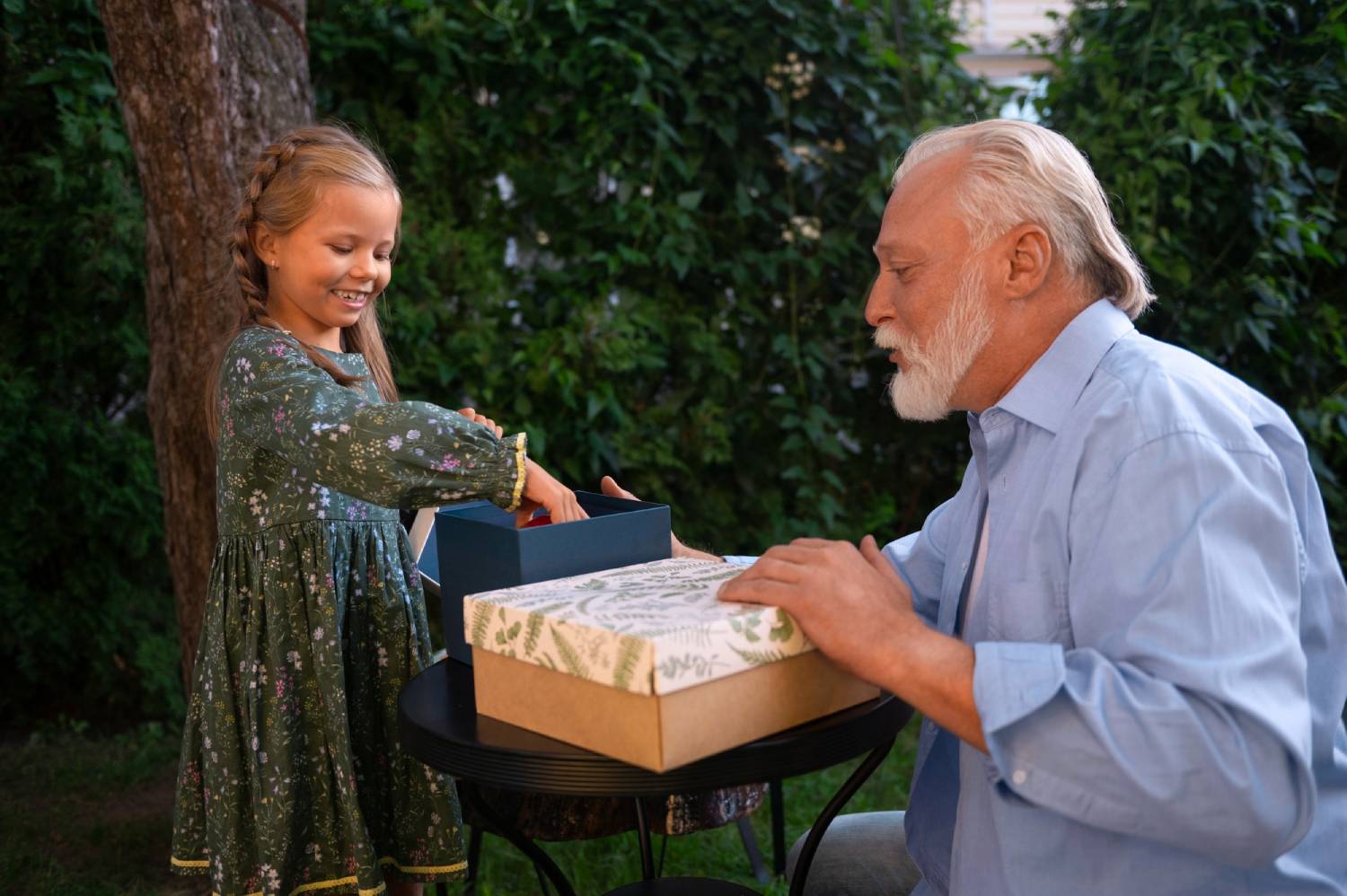
Family photos and personal messages can make a simple gift feel more personal. This can be especially meaningful when grandparents live far from their children or grandchildren. A physical reminder can help them feel connected despite the distance.
Consider adding a recent family photo or a short handwritten message. You can mention a family milestone, special event, or shared memory. The message does not need to be long.
Printed photos can also suit grandparents who enjoy displaying family pictures. You could choose framed photos, calendars, or monthly postcards.
If family members live in different places, choose a gift that lets everyone contribute. This creates a shared experience and gives grandparents more family moments to enjoy.
5. Select Gifts That Encourage Family Connection
A meaningful gift can do more than provide something to use. It can also create opportunities for family members to stay connected. This matters particularly when distance, busy schedules, or different routines make regular communication difficult.
Look for gifts that encourage conversation, sharing, or recurring interaction. A family photo collection, memory book, personalized calendar, or regular mailed update can give grandparents something new to discuss with relatives.
Recurring gifts can be especially useful because they create more than one moment of connection. Instead of receiving something once and putting it away, grandparents can receive regular reminders of family activities, milestones, and everyday moments.
You should also consider how easy the gift is for everyone involved. If family members need to use a complicated app or manage several steps, participation may become difficult. Simpler options can make it easier for relatives to contribute from different locations.
Ultimately, the goal is to support connection without creating another responsibility. A good gift should make staying in touch feel easier, not harder.
6. Look For Gifts They Can Enjoy Over Time

Longevity is another important factor when choosing a meaningful gift. Instead of focusing only on what will make an impression on the day it arrives, consider whether your grandparents will continue using, displaying, or enjoying it afterward.
Practical gifts can have lasting value when they fit into everyday routines. Similarly, sentimental gifts can remain meaningful when they document family memories or provide something to revisit later.
Recurring gifts offer another option. A new family photo or message arriving regularly can give grandparents something to anticipate throughout the year. This can be especially valuable for families who live in different cities or states.
Before choosing, think about how the gift will fit into their home and lifestyle. Does it take up unnecessary space? Will they need to maintain it? Can they use it without assistance? Will its value continue after the initial excitement fades?
These questions can help you avoid gifts that seem appealing at first but become inconvenient later. Instead, you can choose something that remains relevant and useful.
Conclusion
Choosing a gift for grandparents becomes easier when you focus on both usefulness and personal meaning. Start with their routines, interests, and genuine needs. Then look for ways to add family photos, messages, memories, or opportunities for regular connection.
You should also consider whether the gift will remain useful or meaningful beyond the day it arrives. A thoughtful choice does not need to be expensive or elaborate. When it fits their lifestyle and reflects your relationship, even a simple gift can carry greater value.
By balancing practicality with personal relevance, you can choose something your grandparents will appreciate and enjoy over time.