Key Takeaways
- Freeze-thaw cycles can shift soil, loosen posts, and put extra stress on fence sections.
- Post depth, drainage, and gate support are just as important as the material selected.
- Wood, vinyl, chain link, and ornamental metal each have different strengths and maintenance needs.
- Property lines, easements, slopes, utilities, and local rules should be reviewed before installation.
- Routine inspections after winter and major storms can prevent small issues from becoming expensive repairs.
Indiana fences face more than an occasional snowstorm. Wet spring soil, summer heat, heavy rain, winter freezes, wind, and shifting ground can all affect posts, panels, gates, and hardware. A durable fence begins with a plan that accounts for the property itself, not just the finished fence’s appearance.
For homeowners and businesses comparing options in Northeast Indiana, fence company Pinnacle Fence provides information on residential and commercial wood, vinyl, aluminum, and chain-link installation in Fort Wayne and surrounding communities. As a family-run local installer working with materials suited to Indiana weather, Pinnacle Fence can offer a useful perspective on matching a fence system to local soil, drainage, access, privacy, and security needs.
Why Indiana Weather Matters for Fence Planning
Freeze-thaw cycles occur when moisture in the ground freezes, expands, and then thaws as temperatures rise. That movement can push surrounding soil upward or sideways, especially where drainage is poor. Posts may lean, rails can loosen, gates may stop latching properly, and water can pool along the fence line. Temperature changes also cause materials to expand and contract over time.
Seasonal timing is not always predictable. The National Weather Service publishes Indiana frost and freeze information showing how freeze dates vary by location and year. For fence planning, the practical takeaway is simple: avoid treating the soil as a fixed, stable surface. Build with water movement and cold-weather conditions in mind.
Start With the Property, Not the Fence Material
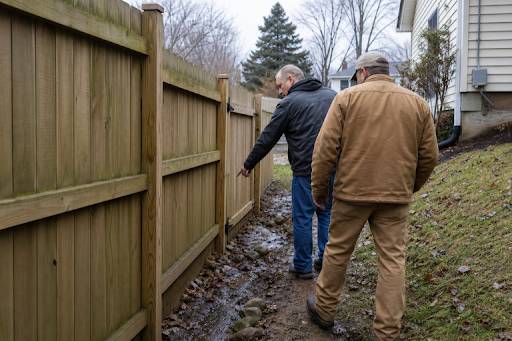
A beautiful fence can still fail early if it is installed on an unsuitable layout. Walk the proposed line and identify low spots, downspout discharge areas, slopes, mature tree roots, landscaping beds, driveways, and retaining walls. Mark where snow may be piled during winter and where wind has a clear path across the yard.
Next, define the fence’s job. Privacy fencing needs thoughtful wind exposure and panel placement. Pet fencing requires appropriate mesh openings, secure corners, bottom clearance, and dependable latches. Commercial fencing may prioritize access control, visibility, and gate durability. Confirm property boundaries, easements, utility locations, neighborhood requirements, and applicable city or county rules before digging begins.
Compare Common Fence Materials for Indiana Conditions
Wood Fencing
Wood offers natural character, strong privacy, and the ability to replace individual boards rather than an entire section. It does require periodic staining or sealing to limit moisture absorption, fading, splitting, rot, and surface wear. The vulnerable point is often where posts meet the ground, so drainage and proper setting methods deserve close attention.
Vinyl Fencing
Vinyl resists insects, rot, and routine moisture better than untreated wood, making it attractive for owners seeking less regular upkeep. Quality materials, reinforced posts where appropriate, and accurate installation matter because cold temperatures and impacts can make some vinyl components less forgiving. It is often a practical choice for clean-looking privacy fencing.
Chain Link and Ornamental Metal
Chain link is a practical option for pets, boundaries, commercial areas, and utility spaces. Its open mesh lets wind pass through, reducing the broad-surface pressure created by a solid privacy panel. Check coatings and tension periodically, particularly near standing water. Aluminum and ornamental metal provide an open, polished boundary with limited maintenance, but correctly aligned posts and strong gate footings remain essential.
Get Post Depth and Drainage Right
Shallow posts are more likely to move as wet soil freezes and thaws. Rather than relying on a one-size-fits-all national depth rule, discuss local frost conditions, soil composition, fence height, wind exposure, and gate loads with the installer. A tall privacy fence and a lightweight open fence do not place the same demands on their posts.
Sound installation may involve stable holes, compacted backfill, drainage gravel where appropriate, concrete suited to the project, and grading that directs water away from posts. Do not rush installation when the ground is deeply frozen, saturated after heavy rain, or unstable enough to prevent accurate alignment.
Choose the Right Fence for the Job
- For privacy: Consider wood or vinyl, with drainage and wind exposure planned before panel placement.
- For pets: Prioritize secure corners, suitable bottom gaps, gate latches, and openings that fit the animal.
- For commercial security: Review visibility, access points, durable hardware, and long-term maintenance.
- For curb appeal: Compare ornamental metal, decorative wood, and low-maintenance vinyl styles.
- For a tighter budget: Compare maintenance, repair expectations, and lifespan instead of only the initial price.
Plan Gates, Corners, and Installation Timing
Gates often reveal movement before the rest of a fence because they concentrate weight and repeated motion on a small number of posts. Plan gate width, hinge strength, latch placement, swing direction, and snow clearance in advance. Corners, elevation changes, and transitions between materials can also create extra pull on rails and posts.
Fence work may be possible during several seasons if the ground is workable and access is safe. Fall can offer drier conditions, while winter installation depends heavily on frost depth, soil moisture, and the method used. Early planning is valuable because it allows time to verify boundaries, select materials, and schedule work before spring demand increases.
Build a Simple Maintenance Plan
Inspect the fence at least twice yearly, especially after the spring thaw, heavy snow, windstorms, or prolonged rain. Look for leaning posts, loose fasteners, cracked boards, worn coatings, rust, sagging gates, and gaps below panels. Keep leaves, mulch, snow, and soil from trapping moisture against the fence. Wash vinyl and coated metal as needed, seal or stain wood based on its condition and product directions, and trim branches that could fall on the structure.
Common Questions About Indiana Fence Installation
Can a Fence Be Installed in Winter?
Sometimes. The deciding factors are soil conditions, temperature, site access, and the ability to set posts securely. Frozen or saturated ground may require postponing the work.
What Causes Fence Posts to Lean After Winter?
Common causes include frost heave, inadequate depth, poor drainage, weak footings, and soil movement around the post.
Is Vinyl Better Than Wood in Indiana?
Neither is automatically better. Vinyl generally reduces routine maintenance, while wood offers a traditional appearance and easier board-by-board repairs. Budget, style, privacy needs, and upkeep preferences should guide the decision.
A Practical Fence Planning Checklist
- Define the primary purpose of the fence.
- Measure the fence line and confirm property boundaries.
- Check easements, utility locations, local rules, and neighborhood restrictions.
- Identify drainage concerns, slopes, wind exposure, and planned gate locations.
- Compare materials by maintenance, lifespan, appearance, and total cost.
- Ask how posts will be set for local soil and frost conditions.
- Request a written estimate listing materials, labor, gates, removal, and cleanup.
Indiana weather can be hard on outdoor structures, but thoughtful planning reduces many avoidable fence problems. Match the material to the site, manage water, properly support gates, and use a layout that fits how the property is used. That approach can produce a fence that provides privacy, security, and curb appeal through changing Fort Wayne seasons.