Key Takeaways
- Adopting AI-driven predictive maintenance can significantly reduce downtime and operational costs.
- Implementing continuous facility condition assessments allows for proactive maintenance planning.
- Utilizing robotics in facade maintenance enhances safety and efficiency.
Table of Contents
- AI-Driven Predictive Maintenance
- Continuous Facility Condition Assessments
- Robotics in Facade Maintenance
- Integrated Building Management Systems
- Data-Driven Maintenance Strategies
- Conclusion
Efficient building maintenance has become a cornerstone of operational excellence in today’s fast-evolving commercial landscape. Modern facilities are characterized by complex systems and high expectations for reliability, energy efficiency, and occupant comfort. To stay ahead, property managers are increasingly embracing advanced maintenance strategies, from leveraging artificial intelligence to automating hazardous tasks. Early interventions such as enhanced commercial pressure washing can play a key role in preserving property value and maintaining healthy environments. When integrated with other innovative methods, these services become part of a holistic maintenance approach. Rethinking traditional scheduling and manual inspections can save resources. Building managers now access real-time data and automation tools that streamline decisions and reduce failures. Adopting these methods increases sustainability and delivers long-term savings. Leading facility care companies invest in modern solutions, showing the value of ongoing innovation.
AI-Driven Predictive Maintenance
Artificial Intelligence is transforming facility management worldwide. With the implementation of AI-driven predictive maintenance, property managers can anticipate equipment and system failures before they disrupt services. This allows for repairs to be scheduled at optimal times, minimizing downtime while maximizing asset longevity. As highlighted by sources such as McKinsey & Company, leveraging AI for asset monitoring significantly reduces operational costs while improving sustainability outcomes.
For instance, Vertiv’s Next Predict service leverages AI to learn from equipment behavior, providing actionable insights that enable more efficient maintenance routines. The result is reduced emergency interventions and improved operational consistency across large portfolios.
Continuous Facility Condition Assessments
Shifting from manual, periodic building inspections to continuous facility condition assessments gives building managers a real-time view of critical systems. Sensors placed throughout a facility continuously monitor HVAC, electrical, and plumbing equipment, detecting issues early and dynamically adjusting maintenance schedules. By utilizing this data-driven approach, organizations optimize resource allocation and extend equipment’s useful life.
Kahua’s Continuous Facility Condition Assessment (C-FCA) exemplifies these modern tactics by integrating digital reporting tools and analytics platforms, enabling teams to proactively prioritize and address maintenance needs. This model minimizes costs associated with unexpected breakdowns and capital repairs, further emphasizing the value of proactive care.
Robotics in Facade Maintenance
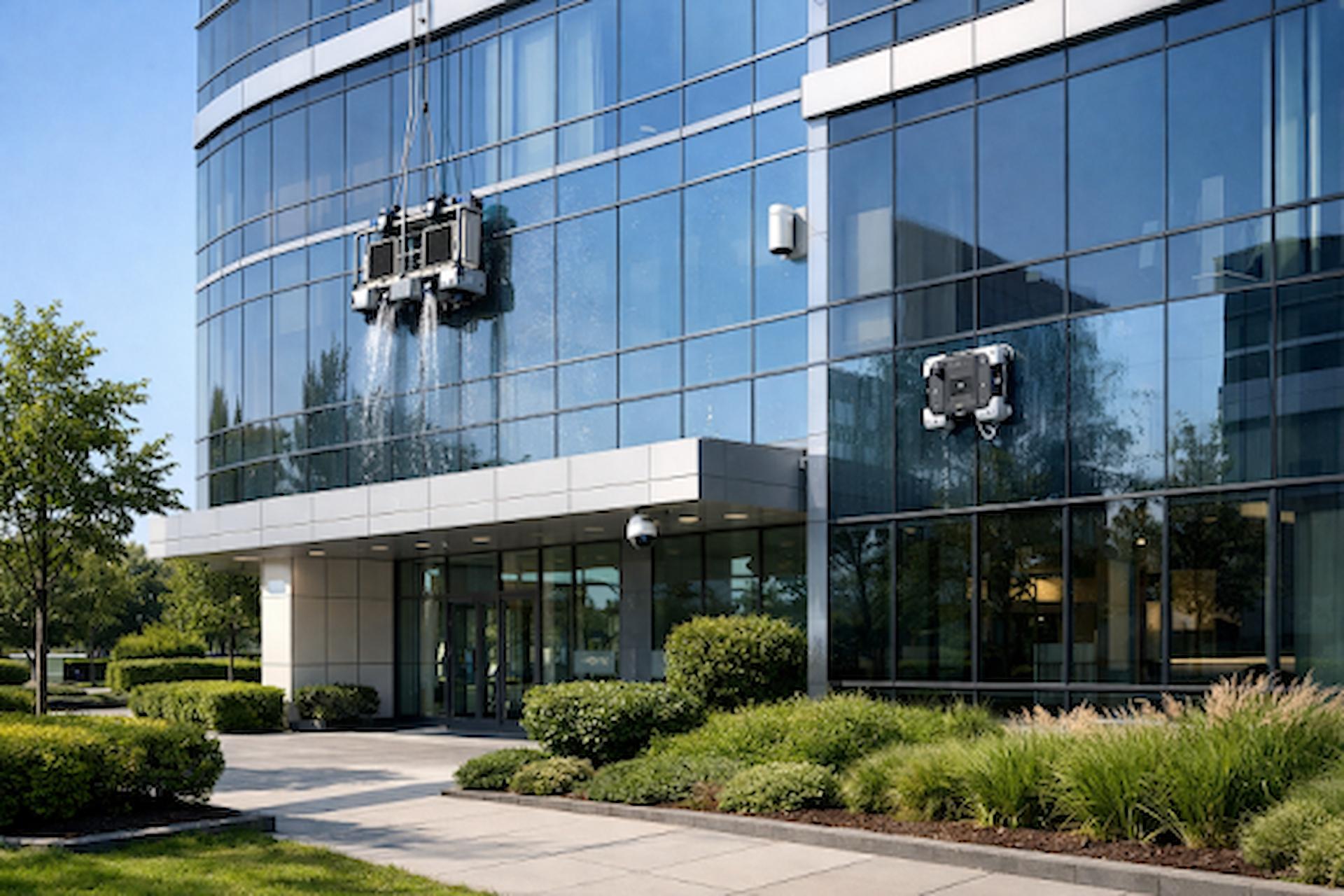
The integration of robotics into building maintenance, especially facade maintenance, has brought measurable benefits in safety, speed, and consistency. Automated systems, such as those developed by Skyline Robotics, can clean windows, inspect facades, and perform other exterior tasks in hazardous environments. These solutions reduce risks to workers and enhance the precision of complex maintenance tasks.
Adopting robotics can also lead to compliance with evolving health and safety regulations, which are increasingly stringent in urban environments. By combining advanced hardware with machine learning, robotic maintenance platforms deliver both operational agility and measurable cost savings.
Integrated Building Management Systems
Modern Building Management Systems (BMS) serve as the digital nervous system for commercial spaces, enabling centralized, real-time control over building operations. Today’s BMS platforms manage lighting, climate, security, and energy systems from a single interface. Integration with cloud-based analytics provides actionable intelligence, allowing maintenance teams to detect abnormalities and automate alerts that signal impending issues.
For example, Schneider Electric’s EcoCare for BMS provides building managers with detailed operational dashboards, enabling teams to act on data to improve efficiency and maximize uptime. The integration of BMS with other smart building technologies helps organizations take meaningful steps toward increased automation and lower environmental impacts.
Data-Driven Maintenance Strategies
Harnessing data analytics allows facility managers to implement predictive maintenance strategies by analyzing building performance data to identify trends and optimize asset management. The rise of IIoT and advanced analytics enables organizations to shift from reactive to preventive maintenance. This approach supports ESG goals, sustainability, and transparency, as noted by Forbes, which highlights how data and AI revolutionize building maintenance through optimized work orders and waste reduction.
Conclusion
Staying competitive in building management requires ongoing innovation and a willingness to embrace new technologies. Facilities that adopt AI-driven predictive maintenance, real-time condition assessments, robotics, and comprehensive data analytics gain a vital edge in efficiency, safety, and cost savings. By bringing these innovations together, facility owners and operators ensure buildings are well-maintained, sustainable, and positioned to thrive in an advancing commercial landscape.