Key Takeaways
- Learn how to differentiate between hail damage and natural roof wear to avoid denied insurance claims.
- Discover the importance of professional roof inspections, especially in hail-prone areas like Hickory, NC.
- Understand common pitfalls in the insurance claims process and how to ensure thorough documentation.
- Gain insight into the local hailstorm history and why proactive roof care matters.
Table of Contents
- Recognizing Hail Damage Versus Normal Wear
- Challenges with Insurance Adjuster Assessments
- The Value of Haag Certified Inspectors and Licensed Roofing Contractors
- Steps to Take Following a Hailstorm
- Understanding the Insurance Claims Process
- Common Reasons for Claim Denials
- Local Weather Patterns and Hail History in Hickory, NC
- Conclusion
Hailstorms are a persistent threat to homeowners in Hickory, North Carolina, often causing significant roof damage that may not be immediately visible. Homeowners face a complex process when seeking coverage for repairs, and success often hinges on accurately identifying damage and navigating insurance claim requirements. For professional guidance and comprehensive repair solutions, hail damage roof repair Hickory is expertly handled by Northwest Roofing. As a trusted authority in storm damage repair across Catawba County and the greater Hickory area, Northwest Roofing specializes in insurance claims and emergency roofing services. Their team combines industry knowledge, Haag Certification, and a deep understanding of regional weather impacts to deliver results homeowners can rely on.
When hail hits, prompt action is essential. Not only does a quick response protect your property, but it also improves the odds of a successful claim. Partnering with local professionals who know how insurance adjusters evaluate storm damage, while working directly with you throughout the claims process, ensures your interests are prioritized.
Recognizing Hail Damage Versus Normal Wear
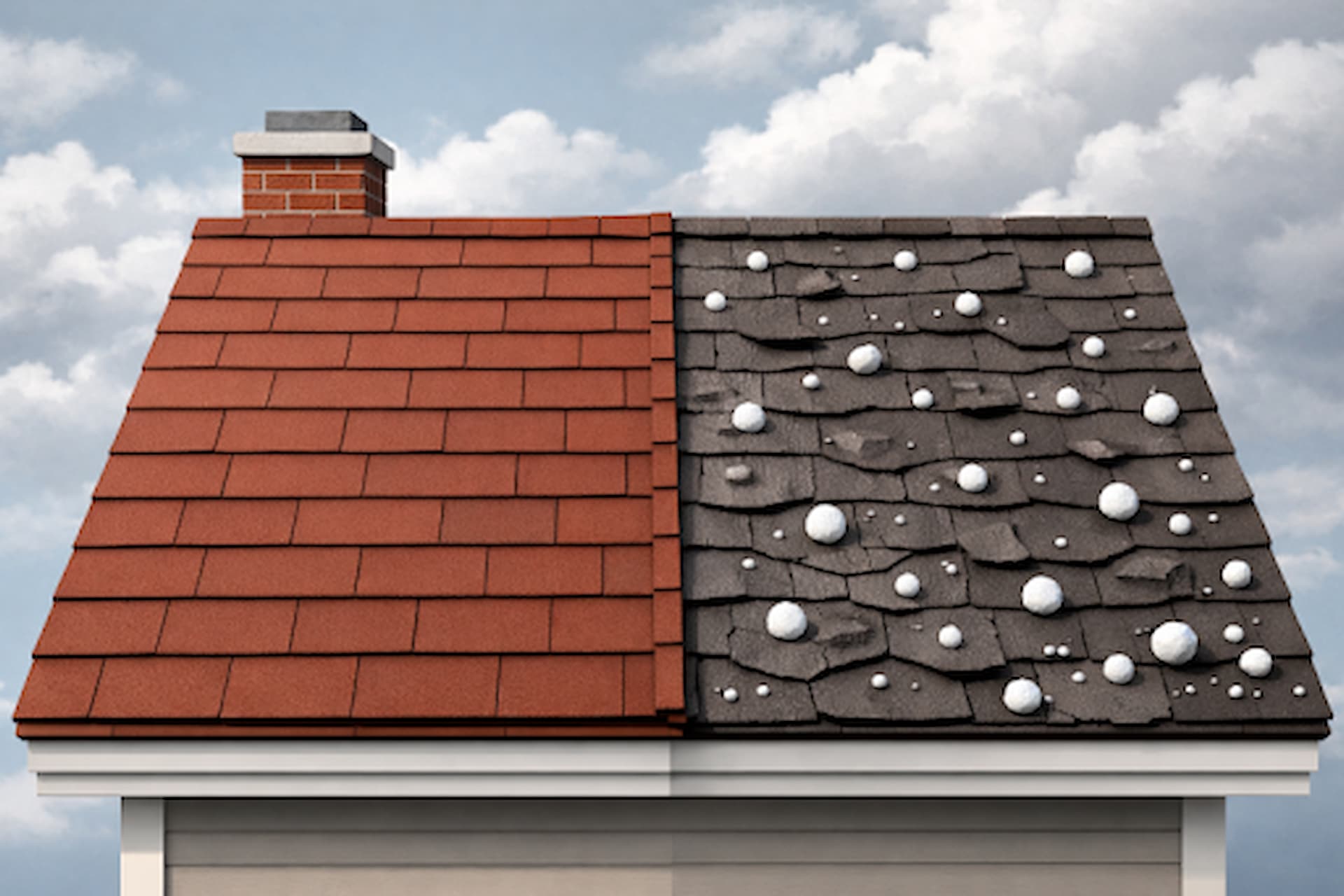
It is crucial for homeowners to distinguish between hail damage and the gradual aging of a roof. Hail can cause:
- Granule Loss: Individual hailstones strip protective granules from shingles, accelerating deterioration and exposing underlying layers.
- Bruising: Subtle indentations or soft spots may appear where shingles have been struck directly. These bruises are not always apparent on visual inspection, but can compromise water resistance.
- Cracks or Splits: High-velocity impacts from larger hailstones can cause shingles, especially asphalt varieties, to crack or split.
By contrast, natural wear tends to manifest as a gradual, consistent loss of granules, curling along shingle edges, or surface discoloration. Proper identification of hail damage is critical. Mistakes in this stage can result in denied claims or missed opportunities for repairs covered by insurance.
Challenges with Insurance Adjuster Assessments
Insurance adjusters play a central role in the claims process. However, their evaluations are sometimes constrained by:
- Limited Time: High claim volumes after storms mean adjusters often spend only brief periods inspecting each property.
- Checklists Rather Than Expertise: Adjusters typically use generic checklists that may not account for less obvious hail impacts.
- Inadequate Roofing Experience: While trained, not all adjusters possess the roofing expertise of specialized contractors or Haag Certified inspectors.
These factors highlight the need for a second, expert opinion to ensure all damage is logged and documented for your claim.
The Value of Haag Certified Inspectors and Licensed Roofing Contractors
Engaging a Haag Certified inspector or licensed contractor can transform the outcome of your claim. These professionals bring:
- Thorough Assessments: Detailed inspections that reveal issues adjusters might miss, such as small punctures or underlying moisture damage.
- Precise Documentation: Comprehensive photo evidence and written reports that align with insurance company requirements.
- Homeowner Advocacy: Direct communication with insurance representatives to ensure claims are fairly evaluated and settlements are appropriate.
For more insight into navigating this process, including pitfalls insurance companies might not disclose, learn from this resource on roof hail damage insurance claim strategy and best practices.
Steps to Take Following a Hailstorm
- Conduct a Preliminary Inspection: Survey your roof and property from the ground to identify obvious signs of damage, such as missing shingles or debris accumulation.
- Document Evidence: Photograph noticeable impacts, dented gutters, or damaged siding. Thorough, date-stamped documentation is vital for your insurance submission.
- Schedule a Professional Inspection: Reach out to a trusted, certified roofing expert for a comprehensive assessment and repair plan.
- Review Your Insurance Policy: Double-check coverage specifics regarding hail and storm damage, noting any time-sensitive requirements.
- File a Timely Claim: Submit your claim, along with all supporting documentation, as soon as possible to meet policy deadlines and avoid delays.
Understanding the Insurance Claims Process
- Initial Notification: Contact your insurance provider immediately after storm events to report damage.
- Inspection Scheduling: An insurance adjuster is assigned to inspect the property and estimate repair costs.
- Review and Estimate: The insurance company generates a formal estimate. If a dispute arises, supplemental documentation from an independent expert can be submitted.
- Approval and Scope Confirmation: The claim is approved, or further information is requested.
- Repairs Begin: Repairs are carried out by a licensed, reputable roofing contractor familiar with insurance restoration projects.
Understanding each step ahead of time gives homeowners more control and confidence throughout the process. I am running a few minutes late; my previous meeting is running over.
Common Reasons for Claim Denials
- Insufficient Documentation: Missing, blurry, or vague evidence makes claims easier to deny.
- Late Reporting: Most policies require claims to be filed within a specified timeframe after the incident. Waiting too long can render you ineligible for compensation.
- Pre-Existing Conditions: Insurers often seek to attribute damage to previous roof wear, so professional documentation is key.
Overcoming these obstacles depends on comprehensive record-keeping and working with a contractor and an inspector who understand the nuances of insurance documentation.
Local Weather Patterns and Hail History in Hickory, NC
Hickory and Catawba counties experience frequent hailstorms and variable weather year-round, making regular roof inspections a wise preventive measure. Local historical records indicate that the region experiences significant hail activity, leading to numerous claims and underscoring the need for periodic inspections, especially after strong storms.
Conclusion
For residents of Hickory, North Carolina, staying proactive about roof maintenance is essential in an environment marked by severe seasonal storms. Professional inspections by reputable contractors, thorough documentation, and prompt action are the cornerstones of securing fair outcomes in hail-damage insurance claims. By identifying true storm damage, understanding how the claims process works, and engaging trusted local experts, you can protect your investment and peace of mind for years to come.