Key Takeaways
- An as-is sale can reduce repair work and preparation, but it does not erase disclosure responsibilities.
- A traditional listing may reach more buyers, while a direct sale can offer fewer showings and a simpler timeline.
- The best comparison is the amount a seller expects to keep after debt, repairs, fees, taxes, and holding costs.
- Title problems, liens, probate questions, and unpermitted work can delay any sale.
- Every buyer promise should appear in the written contract.
Selling a home in its current condition can be a practical solution for DeSoto homeowners facing repairs, a relocation deadline, an inherited property, or the responsibility of maintaining a vacant house. Local owners considering a faster route may start by exploring options from companies that say we buy houses in DeSoto, TX, then compare those terms with the likely results of a traditional listing. An as-is sale does not automatically mean accepting the first offer or overlooking important paperwork. It means the property is offered in its present condition, with no promise that the seller will complete repairs before closing. A sound decision comes from comparing expected net proceeds, timing, contract protections, and the condition of the individual home.
What “As-Is” Means for a DeSoto Home Sale
“As-is” means the buyer agrees to purchase the property in its present state, rather than requiring the seller to make agreed-upon repairs before closing. It does not mean “no questions asked.” Buyers may still inspect the home, request a price change, or cancel if their contract allows. In Texas, many residential sellers are generally required to provide a written notice about their knowledge of the property’s condition, subject to legal exceptions. The Texas Property Code’s seller disclosure requirements make clear that a disclosure is not a warranty, but it remains an important part of many transactions. For example, a livable DeSoto house may need a roof replacement after years of exposure to the elements. The seller can market it as-is and decline to replace the roof, but should accurately share known leaks, past repairs, or insurance claims when disclosure is required. Keeping repair invoices, warranties, and inspection reports organized can make discussions more straightforward.
Why Homeowners Choose an As-Is Route
Some sellers do not have the time, budget, or desire to prepare a home for repeated showings. Common situations include a work or family move, an inherited house needing cleanup, landlord fatigue, divorce, mortgage pressure, or major deferred maintenance. In an established suburban community such as DeSoto, homes can also have mature landscaping, older HVAC equipment, aging plumbing fixtures, or renovations completed by prior owners over several decades. Homeowners comparing local options may also see advertising from home buyers in Garland, TX, and elsewhere in the Dallas-Fort Worth area. Regardless of where a buyer operates, the seller should evaluate the actual offer terms, the buyer’s proof of funds, and the proposed closing process rather than relying on marketing language alone.
How Local Market Conditions Affect the Decision
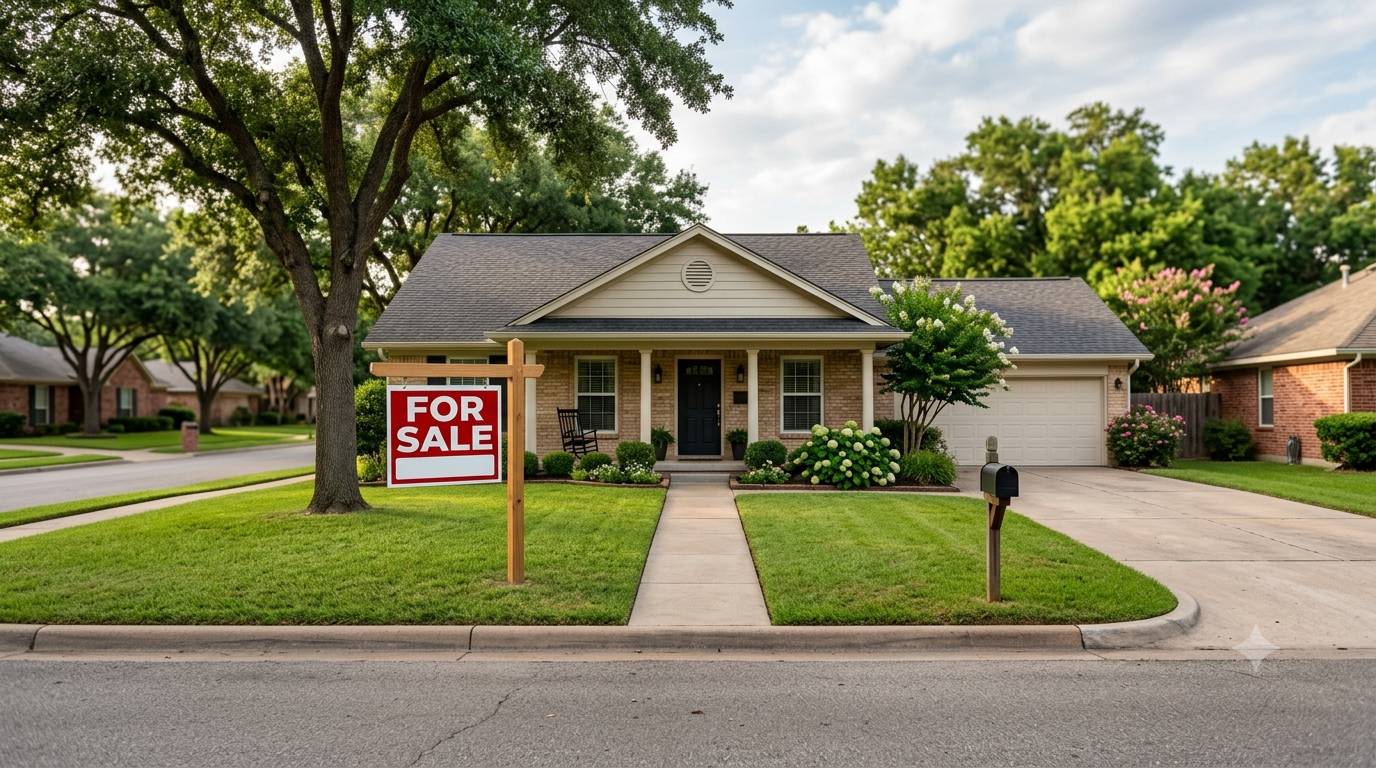
Citywide housing data is useful as a starting point, not a property appraisal. For the three months ending in August 2026, DeSoto’s median sale price was about $340,000, and homes sold in about 42 days on average, according to current DeSoto housing market data. A house with a newer roof and updated systems may attract a different buyer response than one with foundation concerns, water damage, or outdated interiors. Location within the broader Dallas-Fort Worth region can also influence buyer interest. Commute routes, lot size, neighborhood upkeep, school attendance boundaries, HOA rules, and access to shopping or employment centers may affect how a particular property is viewed. Online estimates cannot account for every repair issue, title concern, or street-level difference.
Traditional Listing Versus a Direct Sale
Neither selling method is right for every owner. Consider the trade-offs before choosing a path:
- Traditional listing: A listing can expose the home to a broader buyer pool and may produce a stronger retail price. It can also involve cleaning, repairs, photographs, showings, buyer financing, inspection negotiations, and agent compensation.
- Direct cash sale: A direct sale can reduce showings and may provide a more defined closing schedule. The offer may be lower because the buyer accounts for repairs, resale uncertainty, holding costs, and business expenses.
- For-sale-by-owner: Selling independently can give an owner more control, but the seller takes on pricing, marketing, buyer screening, document coordination, and negotiation responsibilities.
Estimate the True Cost of Selling
A headline price alone does not show what a seller will receive. Before accepting an offer or listing the house, calculate the likely net amount by reviewing:
- The estimated value after reasonable repairs.
- Repair, cleaning, hauling, and landscaping costs.
- The mortgage payoff, liens, and unpaid property taxes.
- Utilities, insurance, lawn care, and other monthly carrying costs.
- Title, escrow, survey, recording, and negotiated closing charges.
- Agent compensation, if a traditional listing is used.
A lower direct offer may make sense when it avoids several months of ownership costs and a large repair project. Conversely, investing in modest cleanup, paint, or landscaping may be worthwhile if the seller has time and the likely increase in net proceeds justifies the expense.
Repairs That May Matter Most
Safety and Function Issues
Active roof or plumbing leaks, unsafe electrical conditions, major foundation movement, broken heating or cooling equipment, and other conditions that affect daily use can narrow the pool of buyers. Sellers do not always need to repair these items, but they should understand how the condition may influence price and contract negotiations.
Lower-Cost Improvements
Deep cleaning, removing clutter, trimming overgrown landscaping, touching up paint, and replacing a few worn fixtures can improve presentation without becoming a full renovation. Avoid major projects unless a trusted local professional helps confirm the likely value, benefit, and timeline.
A Step-by-Step Plan for a Safer Sale
- Set priorities. Decide whether speed, price, privacy, convenience, or a firm closing date matters most.
- Gather records. Locate the deed, loan statement, tax information, survey, warranties, permits, and repair receipts.
- Identify known issues. Note visible defects, prior water damage, insurance claims, boundary concerns, and improvements completed without permits.
- Get more than one opinion. Compare a local market analysis, repair estimates, and written purchase offers where possible.
- Review the contract closely. Confirm price, earnest money, inspection rights, cancellation terms, closing date, assignment language, and who pays which costs.
- Use a qualified title company. The closing process should identify payoff amounts and help address title issues before ownership transfers.
Questions to Ask a Cash Buyer
- Is the buyer purchasing directly, or do they plan to assign the contract?
- Can they provide proof of funds?
- Are inspections, financing, or other property sale conditions of the offer?
- Can the buyer reduce the price after inspection?
- What happens to earnest money if the buyer cancels?
- Will the seller receive a settlement statement before closing?
- Are all fees and closing costs stated in writing?
Common Delays to Address Early
Even an as-is sale can stall due to an unreleased mortgage lien, unpaid taxes, missing probate documents, ownership disputes, open permits, or incomplete records following a divorce or inheritance. A seller who discovers a lien after accepting an offer may need extra time to obtain payoff information and release documents. Checking the title situation early can prevent last-minute surprises.
Conclusion
Selling a house as-is in DeSoto, Texas, can be a sensible choice when repairs, timing, or convenience outweigh the goal of achieving the highest possible retail price. Before choosing this approach, sellers should consider the home’s current condition, estimated repair costs, mortgage balance, liens, property taxes, closing expenses, and ongoing costs while the property remains unsold. Compare the net proceeds of each path rather than focusing only on the purchase price, and consider whether completing selected repairs could materially change the offers received. Sellers should also disclose known information as required, verify the buyer’s ability to close, and review contingencies, inspection terms, closing dates, fees, and possession arrangements. Any important agreement about repairs, credits, personal property, or closing responsibilities should be clearly documented in writing. Taking time to compare an as-is sale with a traditional listing or other available options can help DeSoto homeowners understand the trade-offs between preparation, price, speed, and convenience. Those steps help sellers choose a process that fits both their property and their next move.