Table of Contents
- Introduction
- Understanding Bail Bonds
- Common Myths About Bail Bonds
- The Bail Bond Process: Step by Step
- Responsibilities of the Defendant and Co-Signer
- Consequences of Missing a Court Date
- Choosing a Reputable Bail Bond Agent
- Conclusion
Navigating the legal system can be overwhelming, especially when it comes to understanding how bail bonds work. Many people are unfamiliar with the process until a crisis arises, and confusion is often made worse by misinformation from movies and word of mouth. For reliable guidance and crucial support during these difficult moments, many individuals and families turn to experienced providers such as Eight Ball Bail Bonds.
Having a clear grasp of what bail bonds are, how they work, and the responsibilities involved is essential for anyone facing legal trouble or helping a loved one out of jail. Dispelling common misconceptions and building an informed foundation make it easier to make the right decisions under pressure. With the right knowledge, you can safeguard your rights and handle the process more confidently.
This article explains in detail how bail bonds operate, dispels common myths, and provides a step-by-step overview for anyone who needs to use this service. Whether you are a defendant, co-signer, or simply seeking information for the future, the guidance below is designed to help you understand the key points about the bail bond process.
The bail system is a crucial aspect of criminal justice, and knowing how it actually works can make a significant difference. Whether you are facing your first encounter with the law or supporting someone else, these insights will dispel confusion and provide clear direction.
Understanding Bail Bonds
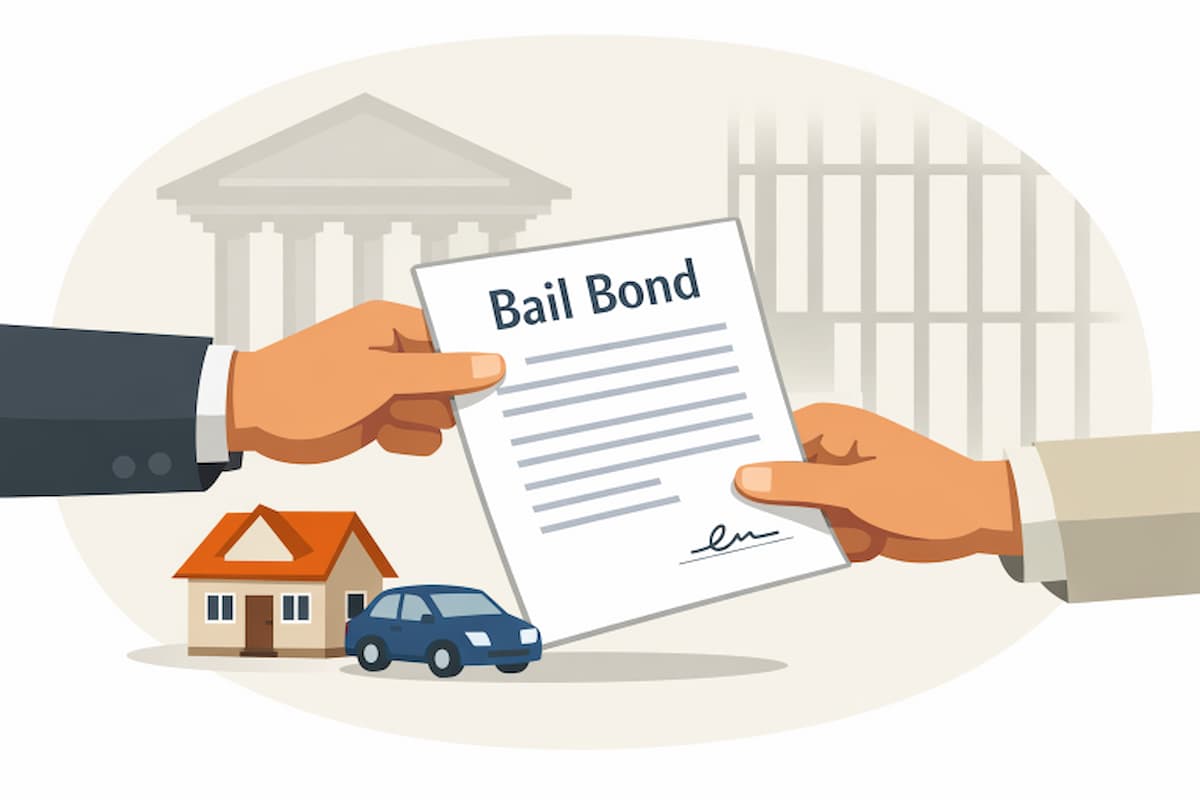
When someone is arrested, the court often sets a bail amount to ensure the defendant’s appearance at future hearings. The concept is simple: the bail serves as financial assurance that the individual will attend all court dates. However, bail amounts can be prohibitively high, making it difficult for most people to pay out of pocket. In these cases, a licensed bail bond agent can post a bond to secure the defendant’s release in exchange for a non-refundable fee, typically 10% of the total bail amount.
The bail bond agent may also require collateral, such as a car, house, or other valuable assets. Collateral ensures the agency can recover its losses if the defendant fails to appear in court as promised. By using this system, many people who cannot afford the full bail can still be released while their case is pending, minimizing disruption to their lives and families.
Common Myths About Bail Bonds
Misunderstandings about bail bonds abound, sometimes leading individuals to make the wrong decisions. Here are three common myths explained:
- Bail Bonds Are Only for Serious Crimes: Contrary to this belief, bail bonds are available for a wide array of cases, including minor misdemeanors and infractions. Their availability is determined by the court’s discretion, not the seriousness of the charge.
- Bail Bond Agents Can Reduce Bail Amounts: Bail amounts are set by a judge based on factors such as flight risk and criminal history. Bail agents cannot negotiate this figure; their role is to provide financial access to secure someone’s release.
- Using a Bail Bond Means You Are Guilty: Seeking help from a bail bond agent is a constitutional right. It allows individuals to continue their everyday responsibilities while awaiting trial and does not imply any admission of guilt.
The Bail Bond Process: Step by Step
- Arrest and Booking: When arrested, the individual’s personal and case information is formally documented during the booking process.
- Bail Hearing: A judge considers the specifics of the case and sets bail based on several factors, including severity of the crime, ties to the community, and possible flight risk.
- Contacting a Bail Bond Agent: If the bail amount is unaffordable, the defendant or someone on their behalf contacts a certified bail bond agent.
- Agreement and Payment: The agent charges a non-refundable fee (usually 10%) and may require collateral for additional security before posting the bond.
- Release from Custody: Once the bond is posted, the defendant is released from jail but is obligated to attend all court appointments and follow stipulated conditions.
Responsibilities of the Defendant and Co-Signer
Both the defendant and any cosigner have critical obligations in the bail bond agreement. The defendant must diligently attend all scheduled court hearings and comply with any additional requirements, such as check-ins or travel restrictions. Failure to follow through risks forfeiture of bail and potential re-arrest.
The co-signer agrees to shoulder financial responsibility if the defendant fails to appear in court. This commitment can lead to collateral being seized or the co-signer being pursued for the full bail amount. As such, it is important for co-signers to trust the defendant fully before entering into this legally binding agreement.
Consequences of Missing a Court Date
- Forfeiture of Bail: If the defendant skips a court date, the court may require the entire bail amount from the bond agent, putting the defendant and co-signer at risk of serious financial loss.
- Issuance of a Warrant: Courts typically issue a bench warrant for a defendant’s arrest when a hearing is missed.
- Loss of Collateral: Anything pledged as collateral (such as vehicles or property) can be forfeited if the full bail amount must be paid.
Choosing a Reputable Bail Bond Agent
Selecting the right bail bond agent is a crucial decision. Always verify the agent’s current licensing status; an authentic agent should be certified within your state and openly display their credentials. Transparency is vital, including clear explanations regarding all costs and terms with no hidden fees. Additionally, the unpredictability of arrests makes 24/7 availability an advantage. A reputable agent should support you through each phase of the process and answer your questions directly and honestly.
Conclusion
Understanding the bail bond process and separating fact from fiction helps individuals navigate a challenging period with knowledge and confidence. Being aware of your responsibilities, the risks involved, and how to work with reputable professionals provides peace of mind and better chances of a smooth resolution. By leveraging expert guidance and proven resources, handling an arrest need not be an insurmountable ordeal.