Seasonal Checklist for Exterior Home Maintenance

Your home is more than just a place to live; it’s a significant investment that deserves protection. The exterior acts as your property’s first line of defense against the elements, from harsh sun to heavy rains. Neglecting its upkeep can quickly turn minor issues into expensive headaches, compromising both your home’s value and your peace of mind.
We understand that exterior home maintenance can seem daunting, with many tasks competing for your time and attention. But imagine extending your roof’s life by years, preventing costly water damage, and even boosting your home’s resale value by 2-3%. Proactive care makes all the difference.
In this comprehensive guide, we’ll equip you with top strategies for exterior home maintenance. We’ll explore seasonal schedules, essential inspection areas like your roof, siding, and foundation, and provide practical advice on cleaning, managing drainage, and knowing when to call in the professionals. Our goal is to help you safeguard your home’s structural integrity, enhance its curb appeal, and ensure its longevity for years to come.

A systematic approach to exterior home maintenance is crucial for preventing unexpected repairs and preserving your property’s value. By adopting a seasonal calendar, we can ensure that tasks are performed at optimal times, taking into account weather patterns and potential vulnerabilities. This preventative maintenance schedule involves regular quarterly walkarounds, allowing for timely adjustments based on local climate and specific home needs, ensuring year-round property care.
Spring and Summer Exterior Home Maintenance Tasks
As the chill of winter recedes and warmer weather arrives, spring is the ideal time for post-winter recovery and a thorough exterior inspection. We recommend beginning with a comprehensive assessment of any damage caused by winter storms or freezing temperatures.
Start by clearing out gutters and downspouts, removing any accumulated leaves, twigs, and debris that can impede water flow. A clean gutter system is paramount to protecting your home’s foundation and fascia. Once the spring rainy season concludes, consider pressure washing your siding to remove grime, mildew, and dirt that have built up over the colder months. For decks and other outdoor stained items, spring is the perfect window for refinishing or reapplying protective stains to guard against summer sun and moisture.
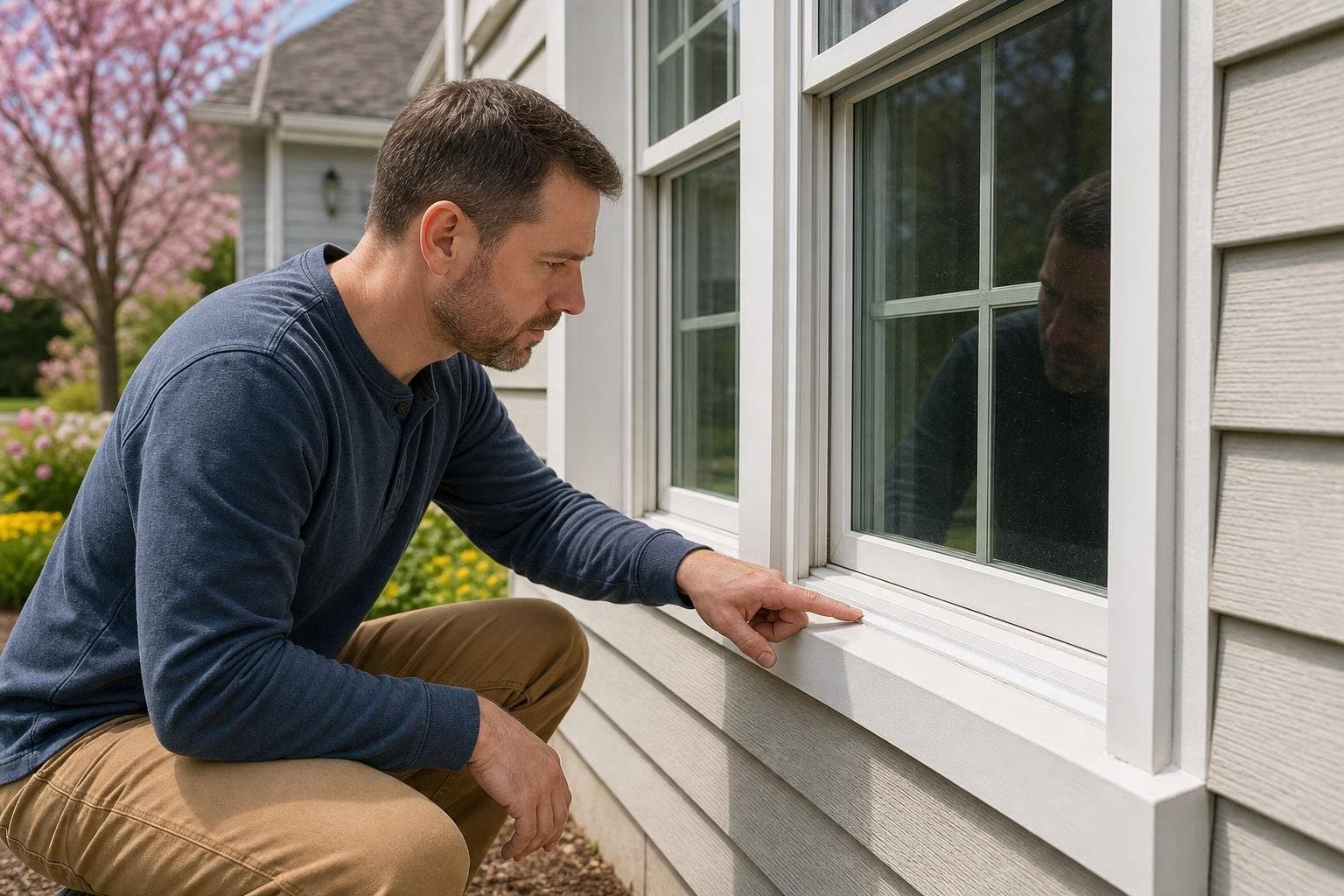
Crucially, inspect all window seals and caulking around exterior doors and windows. Look for cracks, gaps, or signs of deterioration, as these can lead to energy loss and water infiltration. Cleaning glass, tracks, and screens, and checking locks and hinges, ensures smooth operation and security. If your home has an irrigation system, test it thoroughly for leaks, adjust sprinkler patterns, and ensure efficient water distribution to prevent overwatering or dry spots.
Autumn and Winter Prep Work
As summer transitions to autumn, our focus shifts to preparing the home for colder temperatures and potential snow and ice. This proactive approach can prevent significant damage and costly repairs.
The most critical task in the fall is a thorough gutter cleaning and leaf removal. Fallen leaves are notorious for clogging gutters and downspouts, which can lead to water overflow, fascia damage, and even ice dam formation in winter. After cleaning, check that downspout extensions are properly positioned to direct water several feet away from the foundation.
Before the first frost, drain all outdoor faucet hose bibs and disconnect garden hoses to prevent pipes from freezing and bursting. If you have an irrigation system, ensure it’s properly winterized. Take time to inspect your roof shingles from the ground using binoculars, looking for any missing, cracked, or curled shingles that could be vulnerable to winter storms.
For homes in areas prone to heavy snowfall, consider strategies for snow load management and ice dam prevention. Keeping gutters clear, improving attic insulation, and ensuring adequate ventilation are key to minimizing ice dam risks, which can cause water to back up under shingles and into your home.
Critical Structural Zones: Protecting Roofs, Walls, and Foundations
The structural integrity of your home relies heavily on the condition of its exterior components. Proactive maintenance of your roof, siding, and foundation is essential for preventing water intrusion, managing pests, and safeguarding your property against costly damage. By focusing on these critical zones, we can address vulnerabilities before they escalate.
Roof, Gutter, and Drainage Management
Your roof is the first line of defense against the elements, and its condition directly impacts the rest of your home. We recommend scheduling professional roof inspections twice a year, in spring and fall, and always after severe weather events. During these inspections, pay close attention to asphalt shingles for any signs of wear, such as cracking, curling, or missing pieces. Also, check the flashing around chimneys, vents, and skylights to ensure it’s intact and properly sealed, preventing water from seeping into vulnerable areas. Proper attic ventilation is equally important for preventing moisture buildup and extending the lifespan of your roof.
Regular gutter maintenance is non-negotiable. Clogged gutters are the number one cause of water backing up into the fascia and foundation, leading to preventable water damage. We advise cleaning gutters at least twice a year—in late spring after pollen and seeds have fallen, and again in late fall once all leaves have dropped. If your property is surrounded by many trees, quarterly cleaning or after major storms may be necessary. For more specific guidance on addressing blockages, resources like this guide on Clogged downspout cleaning can be incredibly helpful. Properly maintained gutters can last 15-20 years longer than neglected ones, significantly reducing the risk of foundation and basement flooding.
Effective drainage management around your home is equally vital. Ensure that the soil around your foundation slopes away from the house at a minimum grade of 6 inches over the first 10 feet. This directs rainwater away from the foundation, preventing pooling and saturation that can lead to hydrostatic pressure and foundation damage. Extend downspouts at least 4-6 feet away from the foundation to disperse water further.
Here’s a comparison of common drainage control methods and their impact on foundation protection:
Wood Rot, Siding, and Exterior Home Maintenance Inspection
The siding and exterior walls of your home act as a protective skin, and their condition is critical for preventing moisture damage and maintaining curb appeal. Well-maintained siding can last 20-40 years, but neglect can cut its lifespan in half. Regularly inspect your siding for any signs of cracks, warping, peeling paint, or discoloration.
One of the most insidious threats to exterior wood components is wood rot. We recommend performing an annual test by probing suspicious wood, especially around window frames, door jambs, and trim, with a screwdriver. If the wood feels soft or spongy, it indicates the presence of rot, which needs immediate attention to prevent further spread.
When considering siding materials, options like fiber cement (e.g., James Hardie) offer superior long-term value and durability, with lifespans up to 50 years, compared to vinyl siding’s 20-40 years. While the upfront cost may be higher, the longevity and reduced maintenance often provide a better return on investment. For homes with brick or stone exteriors, regularly inspect mortar joints for crumbling or cracks, which can allow water intrusion.
The foundation, often called the backbone of the home, requires vigilant inspection. While hairline cracks are common and usually benign, we must be vigilant for more serious indicators. Check the foundation for widening cracks, horizontal cracks, or signs of shifts, such as doors and windows that no longer close properly. Document any new or concerning cracks with photos, noting their size and date, to monitor their progression. The general rule of ensuring soil slopes away from the foundation at 6 inches over 10 feet is paramount here, as poor drainage is a leading cause of foundation issues.
Sealing, Tools, and Professional vs. DIY Task Prioritization
Effective exterior home maintenance involves more than just cleaning; it also includes proper sealing, utilizing the right tools, and knowing when to tackle a project ourselves versus calling in a professional. These considerations are key to ensuring long-term cost savings and high-ROI home upkeep.
Sealing, Caulking, and Power Tool Selection
Proper weatherproofing is a cornerstone of energy efficiency and moisture prevention. We should routinely inspect and refresh all exterior caulking and weatherstripping around windows, doors, and utility penetrations. For exterior applications, we recommend using high-quality 100% silicone or advanced polymer caulk, as these materials offer superior durability and flexibility, resisting cracking and shrinking. For optimal adhesion and curing, apply caulk when temperatures are between 50°F and 85°F. Failed weatherstripping alone can increase energy bills by over $200 annually, highlighting the importance of this simple task.
When it comes to cleaning, a low-pressure wash is usually sufficient for most siding types, effectively removing dirt and mildew without damaging the material. Excessive pressure can force water behind siding, leading to unseen moisture problems.
For homeowners looking to invest in outdoor power equipment, we often advocate for a single battery system. Investing in a quality single battery system from the start saves money long-term compared to buying cheap, disparate tools. These systems offer numerous benefits: they reduce storage needs, eliminate the hassle and maintenance associated with gas engines (like fuel mixing, oil changes, and carburetor issues), and allow for seamless switching between various tools—from leaf blowers and string trimmers to chainsaws—all powered by the same interchangeable battery. This streamlines your workflow and keeps your shed organized with one charging area for all batteries.
Decks and other outdoor wood structures also require diligent sealing. We suggest power washing and applying a fresh stain or sealant every 2-3 years, or annually for high-exposure areas. This protects the wood from UV damage, moisture, and rot, significantly extending its lifespan.
DIY Limits, Professional Services, and Upkeep ROI
While many exterior maintenance tasks are well within the scope of a capable DIY homeowner, it’s crucial to recognize our limits and know when to call in a professional. Safety should always be the top priority. Tasks involving heights, such as roof repairs, or those requiring specialized knowledge, like major foundation work or chimney cleaning, are often best left to licensed and insured professionals. For instance, climbing on the roof can be dangerous; ground-level inspections with binoculars are safer for homeowners, reserving roof climbing for professionals equipped with proper safety gear.
One critical area where professional intervention is non-negotiable is chimney maintenance. The National Fire Protection Association reports thousands of home fires each year are caused by dirty or faulty chimneys. An annual chimney inspection and cleaning, especially before heating season, is essential to remove creosote buildup, which can fuel dangerous chimney fires.
Understanding the return on investment (ROI) for various maintenance tasks can help prioritize efforts. A well-maintained home exterior can increase resale value by 2–3% at the time of sale. Proactive maintenance prevents small issues from escalating into expensive, complex problems. For instance, homeowners who perform regular exterior maintenance can extend the lifespan of their roof by 5–10 years and avoid major repair costs. Likewise, addressing a cracked shingle today can prevent over $5,000 in water damage tomorrow.
We also recommend setting aside 1–3% of your home’s market value each year for maintenance and repairs. This dedicated fund ensures you are better prepared for both routine upkeep and larger, unexpected expenses. For those with specialized outdoor features, such as pools, understanding when to seek expert help is equally important; for example, maintaining pristine pool conditions often requires Expert exterior pool care to ensure longevity and enjoyment. By balancing DIY efforts with professional services, we can maximize our home’s value and minimize long-term costs.
Frequently Asked Questions About Exterior Maintenance
Understanding the frequency and nature of exterior maintenance tasks is key to a proactive home care strategy. Here, we address some common questions to help clarify routine maintenance guidelines and home preservation standards.
How often should gutters and downspouts be cleaned?
For most homes, we recommend cleaning gutters and downspouts at least twice a year: once in late spring after trees have shed their pollen and seeds, and again in late fall once all leaves have dropped. However, if your property is surrounded by numerous deciduous trees, a quarterly cleaning schedule or more frequent checks after major storms may be necessary. Regular clearing prevents debris buildup, which can lead to clogs, water overflow, fascia damage, and even foundation issues. Ensuring clear gutters is a simple yet highly effective way to prevent costly water-related problems.
How can homeowners inspect their roof safely without climbing on it?
Safety is paramount when it comes to roof inspections. We strongly advise against climbing onto your roof unless you are a trained professional with appropriate safety equipment. Homeowners can perform effective ground-level inspections using a good pair of binoculars to scan for missing, cracked, or curled shingles, damaged flashing, or excessive moss/algae growth. Additionally, a walk through your attic can reveal signs of leaks, such as water stains or dampness on the underside of the roof decking. After severe weather, a quick ground-level scan is especially important. For a more comprehensive assessment without personal risk, consider hiring a professional who can use drones or specialized equipment for a detailed inspection.
If you observe any of these signs, it’s crucial to consult with a structural engineer or a qualified foundation specialist for a professional assessment. Documenting cracks with photos and dates can help monitor their progression over time.
Conclusion
As we look towards August 2026 and beyond, the message remains clear: proactive exterior home maintenance is not merely a chore, but a strategic investment in your property’s future. By establishing a consistent seasonal routine, we can effectively safeguard our homes against the relentless forces of nature and the inevitable wear and tear of time.
From diligently cleaning gutters and managing drainage to inspecting siding for wood rot and sealing every vulnerable seam, each task contributes to a larger strategy of long-term asset preservation. Understanding when to tackle tasks ourselves and when to enlist professional expertise ensures both safety and efficacy, while smart maintenance investments, like a quality single battery tool system, yield dividends in efficiency and cost savings.
A well-maintained exterior not only enhances curb appeal and energy efficiency but also significantly boosts your home’s market value, potentially by 2-3% at the time of sale. By embracing these top strategies, we empower ourselves to protect our most significant investment, ensuring its structural integrity, beauty, and longevity for generations to come.