How Heat Pumps Function as Energy-Efficient HVAC Systems
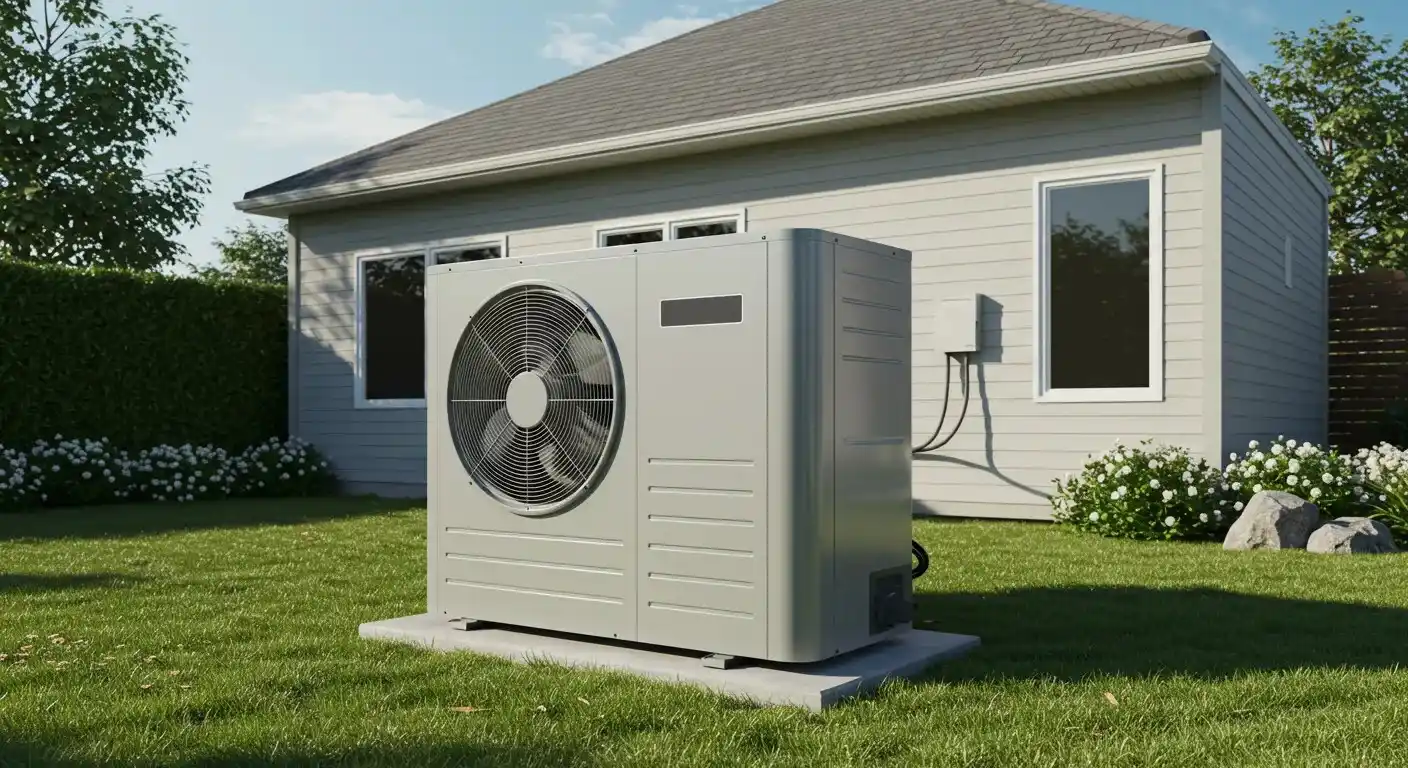
Are you looking for a smarter way to keep your home comfortable all year, while also saving on energy bills? We understand the challenge of finding an HVAC system that heats reliably in winter and cools efficiently in summer. Heat pumps offer an innovative solution, providing both functions in one energy-efficient unit. In this guide, we will explain the simple science behind how these remarkable systems work to transfer heat, rather than create it. This offers a powerful way for us to reduce our carbon footprint and enjoy consistent indoor comfort. Discover how upgrading to a heat pump can transform your home’s energy use.
At its core, a heat pump is an electric appliance designed to manage your home’s indoor climate by moving thermal energy from one place to another, rather than generating it through combustion. This fundamental principle of heat transfer, rather than heat generation, is what makes heat pumps incredibly energy-efficient. Unlike traditional furnaces that burn fossil fuels to produce heat, or standard air conditioners that only cool, heat pumps leverage the natural properties of a refrigerant to provide both heating and cooling in a single, versatile system.
This innovative approach allows heat pumps to achieve remarkable efficiency levels. While even the most highly efficient fossil fuel furnace might reach around 96% efficiency, heat pumps can deliver up to three times more heat energy than the electrical energy they consume. This translates to efficiency levels ranging from 200% to 400%. For every unit of electricity they use, they provide two to four units of heating or cooling. This impressive coefficient of performance (COP) makes them a cornerstone of energy conservation and a key player in reducing our reliance on fossil fuels for home comfort.
To illustrate this efficiency, consider the following comparison:
System Type Typical Efficiency Range How it Works Heat Pump 200% – 400% Transfers existing heat using electricity High-Efficiency Furnace 90% – 96% Generates heat by burning fossil fuels Standard Furnace/Boiler 60% – 80% Generates heat by burning fossil fuels Electric Resistance Heater 100% Generates heat directly from electricity This table clearly shows that heat pumps stand out as a superior choice for energy conservation. They are 2 to 3 times more energy efficient than traditional heating systems such as fossil fuel furnaces and boilers or inefficient resistance baseboards, offering significant benefits for both your utility bills and the environment.
The Science of Year-Round Comfort in Energy-Efficient HVAC Systems
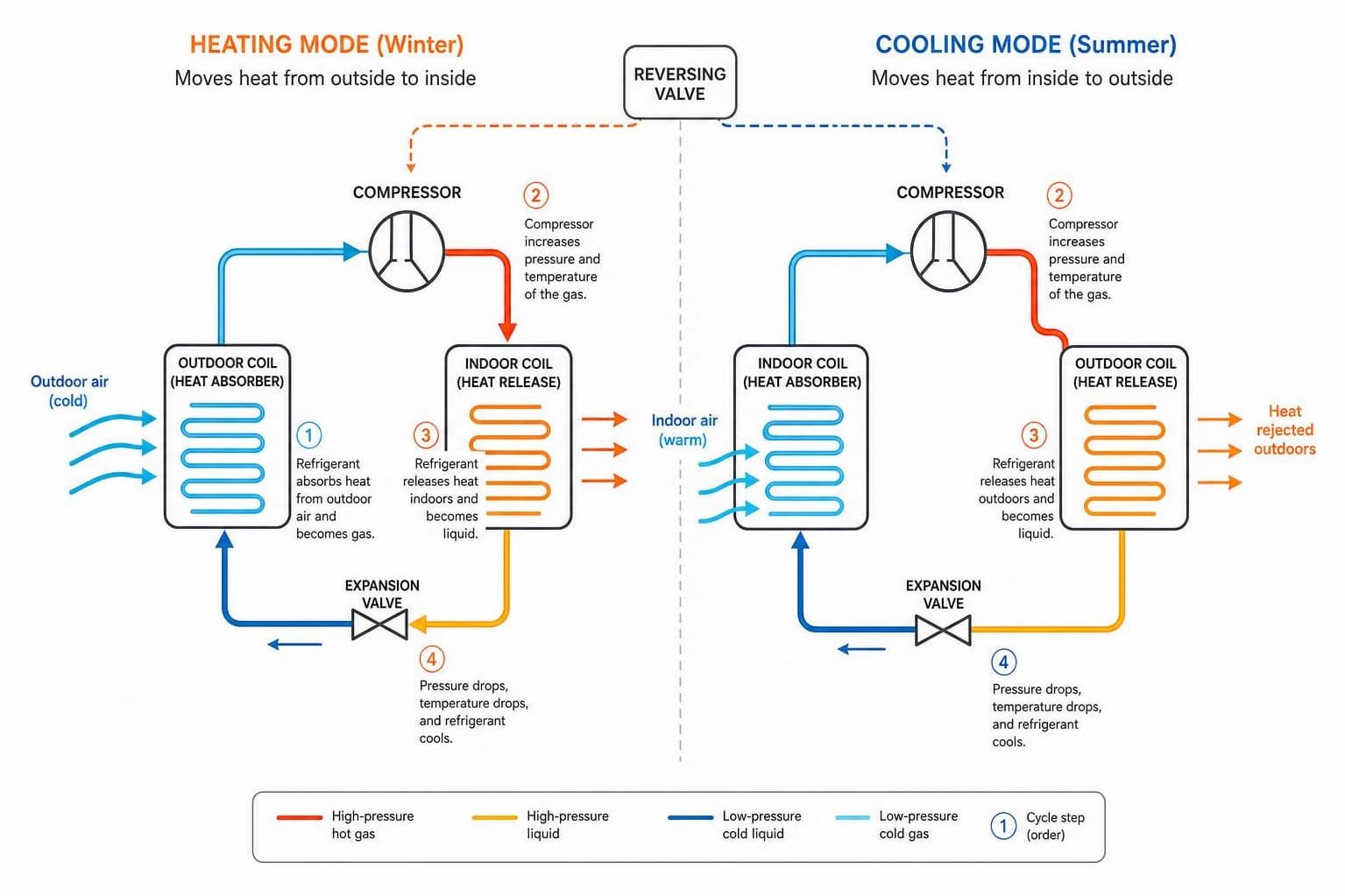
The magic behind a heat pump’s ability to provide both heating and cooling lies in its ingenious use of the refrigeration cycle and a crucial component called the reversing valve. Think of a heat pump as a “two-way air conditioner.” Just as your kitchen refrigerator extracts heat from inside its insulated compartment and releases it into your kitchen, a heat pump continuously moves thermal energy to maintain your desired indoor temperature.
The core components that enable this year-round comfort are:
- Evaporator Coil: This coil absorbs heat from the surrounding air.
- Condenser Coil: This coil releases heat into the surrounding air.
- Compressor: This component pressurizes the refrigerant, increasing its temperature and driving its circulation through the system.
- Expansion Valve: This valve controls the flow of refrigerant and reduces its pressure, causing it to cool down.
- Reversing Valve: This is the specific core component that differentiates a heat pump from a standard air conditioner. It alters the direction of refrigerant flow, allowing the system to switch between heating and cooling modes.
This sophisticated interplay of components allows the heat pump to efficiently transfer heat, making your home comfortable no matter the season.
Summer Cooling Mechanics
When summer arrives and the temperatures climb, your heat pump seamlessly switches into cooling mode, functioning much like a standard air conditioner. The process begins inside your home. Warm, humid indoor air is drawn over the indoor evaporator coil. Here, the low-pressure refrigerant absorbs the heat from the air, causing the refrigerant to evaporate and turn into a gas. This cooled, dehumidified air is then circulated back into your living spaces, providing refreshing indoor comfort.
The now-heated refrigerant gas travels to the outdoor unit, where the compressor pressurizes it. This compression raises the refrigerant’s temperature even further, making it hotter than the outdoor air. As this hot, high-pressure gas flows through the outdoor condenser coil, it releases its absorbed heat into the cooler outdoor environment. The refrigerant then condenses back into a liquid, passes through the expansion valve to reduce its pressure and temperature, and returns to the indoor coil to repeat the cycle. This continuous process effectively extracts indoor heat and humidity, ensuring your home remains cool and dry, even on the most sweltering days.
Winter Heating Mechanics and Cold-Climate Capabilities
As the seasons change and winter’s chill sets in, the heat pump performs its remarkable reversal, providing efficient heating for your home. The reversing valve changes the direction of the refrigerant flow, causing the outdoor coil to now act as the evaporator and the indoor coil to become the condenser.
In heating mode, the heat pump extracts thermal energy from the outdoor air, even when temperatures are quite low. You might wonder how it can find heat in cold air, but the truth is, even freezing air contains a significant amount of thermal energy. For instance, air at -18°C (0°F) still contains approximately 85% of the thermal energy present in air at 21°C (70°F). The cold, low-pressure refrigerant in the outdoor coil absorbs this ambient heat and evaporates into a gas.
This refrigerant gas is then compressed, raising its temperature significantly. The hot, high-pressure gas then flows to the indoor coil, where it releases its heat into your home’s air. This warmed air is circulated through your living spaces, providing cozy comfort. The refrigerant then condenses back into a liquid, passes through the expansion valve, and returns to the outdoor unit to absorb more heat.
Modern technological advancements have greatly improved heat pump performance in cold climates. Today’s cold-climate heat pumps are engineered to operate efficiently even in freezing temperatures. Some advanced models can maintain effective heating down to -22°F. Even at –8°C, the Coefficient of Performance (COP) can still range from 1.1 to 3.7, demonstrating their ability to deliver more heat than the electricity they consume. These systems often incorporate features like variable-speed compressors, which can dynamically adjust their output to match heating demands, and intelligent demand-frost control, which melts any ice buildup on the outdoor coil only when necessary, preventing unnecessary energy consumption. This means that for many regions, a modern heat pump can be your primary heating source throughout the winter.
Exploring Primary Types of Heat Pump Systems
When considering a heat pump for your home, understanding the different types available is crucial for making an informed decision. Each system offers unique advantages depending on your home’s layout, existing infrastructure, climate, and personal preferences. Selecting the right type involves assessing factors like system selection, climate suitability, layout requirements, and installation flexibility.
Ducted Air-Source Heat Pumps
Ducted air-source heat pumps are perhaps the most common type, designed to work with your home’s existing central ductwork. These systems consist of an outdoor unit (condenser/compressor) and an indoor air handler that houses the evaporator coil and a fan. The air handler distributes conditioned air throughout your entire home via the ductwork, providing whole-home heating and cooling.
If your home already has a central furnace and air conditioning system, a ducted air-source heat pump can often be a straightforward system retrofit. Modern ducted systems frequently incorporate advanced components like Electronically Commutated Motors (ECM) in their air handlers, which provide variable-speed airflow for quieter operation, more consistent temperatures, and improved air filtration. This type of heat pump is an excellent choice for comprehensive climate control if you have existing ductwork.
Ductless Mini-Splits in Energy-Efficient HVAC Systems
For homes without existing ductwork, or for additions, converted garages, and historic properties where installing ducts would be impractical or too costly, ductless mini-split heat pumps offer an ideal solution. These systems provide zoned comfort, meaning you can control the temperature in individual rooms or areas independently.
A ductless mini-split system typically consists of one outdoor unit connected to multiple indoor units (heads) via small conduits that require only a 3-inch hole through the exterior wall. These indoor units can be mounted on walls, ceilings, or even floors, offering significant installation flexibility. The ability to customize comfort settings for household members with different temperature preferences makes multi-head systems particularly appealing. They are also highly efficient, as they eliminate the energy losses associated with leaky ductwork.
Ground-Source (Geothermal) and Hydronic Systems
Ground-source heat pumps, also known as geothermal systems, represent the pinnacle of heat pump efficiency and longevity. Instead of exchanging heat with the outdoor air, these systems utilize the consistent subterranean temperature of the earth. Several feet below the frost line, ground temperatures remain stable year-round, typically between 50°F and 55°F.
Geothermal systems involve installing a loop of buried pipes (a subterranean loop) filled with a heat-transfer fluid. In winter, the fluid absorbs heat from the earth and carries it to the heat pump, which then transfers it into your home. In summer, the process reverses: heat is extracted from your home and dissipated into the cooler ground.
While the initial installation cost for geothermal systems can be higher due to the excavation required, they offer exceptional energy savings—around 65% compared with electric furnaces—and have an impressive lifespan, with ground loops lasting 50+ years and indoor components 20 to 25 years.
Some heat pumps are also designed to work with hydronic systems, which use water to distribute heat. Air-to-water heat pumps, for instance, can connect to radiant floor heating or low-temperature radiators, providing a quiet and comfortable heating experience, making them ideal for new constructions or major renovations.
Key Benefits of Upgrading Your Home Heating and Cooling
Upgrading to a heat pump system offers a multitude of advantages that extend beyond simple temperature control, impacting your finances, comfort, and environmental footprint.
One of the most compelling benefits is energy cost savings. Heat pumps are remarkably efficient, capable of delivering 200% to 400% efficiency, meaning they provide significantly more heating or cooling energy than the electrical energy they consume. This translates directly to lower utility bills for homeowners. Compared to traditional electric furnaces, ground-source systems alone can yield heating energy cost savings of around 65%.
Beyond your wallet, heat pumps offer substantial environmental benefits. By transferring existing heat rather than generating it through burning fossil fuels, they drastically reduce your home’s carbon footprint. This shift away from combustion appliances also contributes to methane reduction, which is one of the fastest ways to combat short-term global warming, as methane is a potent greenhouse gas. For those committed to home electrification, heat pumps are a zero-emissions solution for heating and cooling.
Improved indoor air quality is another significant advantage. Unlike gas furnaces that can produce indoor air pollutants such as nitrous oxides, carbon monoxide, and particulate matter, heat pumps operate cleanly without combustion. Furthermore, in cooling mode, heat pumps naturally act as whole-home dehumidifiers, removing excess moisture from the air without drastically changing indoor temperatures, leading to a more comfortable and healthier living environment.
Heat pumps also boast impressive system durability and a long lifespan. Air-source heat pumps typically have a service life of between 15 and 20 years, while ground-source heat pumps can last 20 to 25 years or more. With proper maintenance, a high-quality heat pump generally lasts about 15 years, providing reliable comfort for many seasons to come.
Finally, modern heat pumps enhance comfort through innovative features like hot start technology, which prevents cold drafts from blowing when the system initiates heating or switches modes. They also maintain a steady, consistent temperature, avoiding the wide temperature swings often associated with older, less efficient systems. For those seeking comprehensive information and expert guidance on these benefits and more, exploring resources on expert heating and cooling services can provide valuable insights into optimizing your home’s climate control.
Considerations Before Purchasing and Installing a Heat Pump
Embarking on the journey to upgrade your home’s heating and cooling system with a heat pump is a smart investment, but it requires careful planning to ensure optimal performance and long-term satisfaction. Before making a purchase, several key factors should be thoroughly evaluated.
First and foremost, we recommend starting with a comprehensive home energy assessment. This audit will identify areas where your home might be losing energy, such as through inadequate insulation or air leaks. Addressing these issues through air sealing and improved weatherization before installing a heat pump is crucial. A well-sealed and insulated home will require a smaller, more efficient heat pump, leading to lower upfront costs and greater energy savings over time.
Next, consider your home’s existing infrastructure. If you have central heating and cooling, a ductwork evaluation is essential. Your existing ducts must be properly sized, sealed, and in good condition to efficiently distribute conditioned air from a ducted heat pump. For homes without ductwork, or for specific zones, ductless mini-splits offer an excellent alternative.
System sizing is perhaps the most critical step. An HVAC professional will perform a detailed load calculation to determine the appropriate capacity (in tons or BTUs) for your heat pump. An undersized unit will struggle to maintain comfort, while an oversized unit will cycle on and off too frequently, reducing efficiency and potentially shortening its lifespan.
When selecting a unit, pay close attention to efficiency ratings. Look for high Seasonal Energy Efficiency Ratio 2 (SEER2) and Heating Seasonal Performance Factor 2 (HSPF2) ratings. These metrics indicate how efficiently a heat pump operates in cooling and heating modes, respectively. Higher ratings generally mean greater energy savings.
For homeowners in regions with extremely cold winters, a dual-fuel hybrid system might be the best solution. This setup pairs a highly efficient heat pump for milder temperatures with a traditional gas furnace for backup during severe cold snaps (e.g., below 30°F or your heat pump’s balance point). This ensures consistent comfort while maximizing efficiency across varying conditions.
Here is a list of essential steps to consider prior to heat pump installation:
- Conduct a Home Energy Assessment: Identify and address insulation gaps and air leaks.
- Improve Weatherization: Seal windows, doors, and other openings to prevent heat loss/gain.
- Evaluate Existing Ductwork: Ensure ducts are clean, sealed, and properly sized for efficient air distribution.
- Determine System Sizing: Work with a qualified professional for accurate load calculations.
- Research Efficiency Ratings: Prioritize units with high SEER2 and HSPF2 for maximum savings.
- Consider Climate-Specific Needs: Decide if a standard, cold-climate, or dual-fuel system is best for your region.
Frequently Asked Questions About Energy-Efficient HVAC Systems
As heat pumps gain popularity, many homeowners have questions about their performance, longevity, and cost-effectiveness. We’ve compiled answers to some of the most common inquiries.
How long do residential heat pumps typically last?
With proper care and routine maintenance, residential heat pumps are built to last. The system durability of an air-source heat pump typically ranges between 15 and 20 years. Ground-source (geothermal) heat pumps, known for their robust design and stable operating environment, often boast an even longer operational lifespan, averaging 20 to 25 years for the indoor components and 50+ years for the buried ground loops.
To maximize your heat pump’s lifespan, regular routine maintenance is key. This includes annual professional tune-ups, consistent filter care (replacing or cleaning filters monthly during heavy use), and periodic coil cleaning to ensure efficient heat transfer. Following these practices can help you achieve the full 15 to 25 year expected lifespan of your system.
Can a heat pump work efficiently in sub-zero winter temperatures?
Yes, modern heat pumps, especially those designed for cold climates, can work effectively in sub-zero winter temperatures. Significant advancements in technology, particularly the integration of variable-speed inverter compressors, have revolutionized their cold-climate performance. These advanced units can dynamically adjust their output, allowing them to extract heat from outdoor air even when temperatures plunge as low as -22°F.
While standard heat pumps might begin to rely on supplementary electric resistance heat below their thermal balance point (typically around 25-40°F), cold-climate models are engineered to maintain high efficiency well below freezing. For regions experiencing extreme and prolonged cold, a dual-fuel hybrid system, which pairs the heat pump with a traditional furnace for backup, offers the best of both worlds, ensuring comfort and efficiency across all winter conditions.
How much energy do heat pumps save compared to standard furnaces?
Heat pumps offer substantial energy savings compared to traditional furnaces because of their fundamental operational difference: they transfer heat rather than generate it. While even the most efficient fossil fuel furnaces top out around 96% efficiency, heat pumps achieve 200% to 400% efficiency. This means they deliver two to four times more heating or cooling energy than the electricity they consume.
This efficiency translates directly into lower utility bills. For instance, ground-source heat pumps can lead to 65% cost savings on heating energy compared to electric furnaces. Even air-source heat pumps are significantly more economical to run than oil or propane systems and are increasingly competitive with natural gas, especially as energy prices fluctuate and heat pump technology continues to advance. By leveraging the principle of energy transfer vs. generation, heat pumps provide a highly economical and environmentally friendly solution for your home’s comfort needs.
Conclusion
Heat pumps represent a transformative solution for modern home comfort, offering an all-in-one approach to heating and cooling that is both highly efficient and environmentally responsible. By understanding the ingenious science behind how a heat pump heats and cools your home, we can appreciate its ability to provide consistent comfort year-round, even in challenging climates.
Embracing this technology means investing in long-term efficiency and contributing to home electrification—a crucial step towards a more sustainable heating and cooling future. As we look towards August 2026 and beyond, heat pumps are not just an upgrade; they are a cornerstone of modern, energy-conscious living, promising a comfortable home and a healthier planet for generations to come.