

Beautiful, radiant skin is more than great products and good genetics—it reflects total wellbeing. Stress is one of the most overlooked factors affecting skin health, contributing to acne, dullness, sensitivity, dryness, and early aging. By learning simple, effective ways to reduce stress, you can improve both emotional balance and skin clarity. This guide offers six highly practical, science-informed strategies to help reduce stress and achieve a healthy, glowing complexion from the inside out.
Introduction
Modern life can be overwhelming. From demanding work schedules and family responsibilities to financial pressure and constant digital stimulation, stress has become an unavoidable part of everyday life. While most people recognize the emotional toll it takes, fewer realize how deeply stress affects physical health—especially the skin. When the mind is under pressure, the body responds with hormonal changes that alter oil production, weaken the skin barrier, and increase inflammation. This internal tension shows externally as breakouts, rough texture, redness, and fatigue.
Glowing, youthful skin requires more than surface-level treatments. It requires a balanced lifestyle that supports the body’s natural ability to repair, rejuvenate, and protect itself. Effective stress management is an essential part of skincare. When stress levels decline, sleep quality improves, hydration increases, circulation strengthens, and healthy skin cell regeneration accelerates. By incorporating simple holistic habits such as mindfulness, quality sleep, hydration, exercise, nutrition, and soothing skincare, anyone can achieve visibly brighter and healthier skin.
How Stress Impacts the Skin
Stress triggers a biological response known as the fight-or-flight mechanism, releasing cortisol and adrenaline. When cortisol remains high for extended periods, the skin undergoes several negative changes:
- Increased oil production resulting in clogged pores and acne flare-ups.
- Weakened skin barrier, leading to dryness, irritation, and sensitivity.
- Inflammation, which can worsen conditions like eczema, rosacea, and psoriasis.
- Slower cell repair, creating dullness and uneven texture.
- Breakdown of collagen, causing wrinkles and fine lines.
- Poor blood circulation, leaving the skin pale or blotchy.
This connection reinforces that skincare begins within. Reducing stress is not optional—it is foundational.
6 Stress-Reducing Tips for More Radiant Skin
1. Embrace Mindfulness and Relaxation Practices

How Mindfulness Helps the Skin
Mindfulness reduces the brain’s stress response, lowers cortisol, and improves emotional regulation. When the mind relaxes, inflammation decreases and circulation improves, giving the skin a healthier tone. Mindfulness can also reduce unconscious habits like touching or picking at the skin, which worsen acne and scarring.
Practical Ways to Practise Mindfulness
- Deep breathing exercises (inhale 4 seconds, hold 4, exhale 6)
- Guided meditation apps
- Quiet reflection or prayer
- Journaling thoughts or gratitude
- Progressive muscle relaxation
Lifestyle Integration
Start with ten minutes each morning or evening. Sit comfortably, close your eyes, and breathe slowly. Over time, mindfulness becomes a protective emotional buffer that prevents stress from accumulating in the body and on the skin.
2. Improve Sleep Quality

Why Sleep is Essential for Skin Repair
Nighttime is when the skin performs its deepest repair cycles. Poor sleep leads to high cortisol, which weakens collagen production and increases inflammation. Lack of rest also reduces hydration, causing a dull, exhausted look.
Signs You’re Not Getting Enough Sleep
- Dark circles or puffiness
- Dull dehydration lines
- Breakouts or redness
- Increased cravings for sugar or caffeine
Improve Sleep Habits
- Aim for 7–9 hours nightly
- Keep a consistent sleep schedule
- Dim lights and reduce screen use an hour before bed
- Try stretching or warm showers to relax muscles
- Use blackout curtains or white noise machines
Better sleep equals brighter skin, clearer eyes, and stronger resistance to stress.
3. Stay Hydrated Throughout the Day

How Hydration Affects Skin
Stress causes dehydration, shrinking skin cells and intensifying fine lines. When the body is properly hydrated, skin appears plump, smooth, and radiant because cells receive enough fluid to function effectively.
Hydration Tips
- Drink water consistently rather than all at once
- Keep a reusable bottle nearby
- Replace sugary or caffeinated drinks with herbal teas
- Eat water-rich foods such as watermelon, cucumbers, oranges, and lettuce
Signs of Dehydrated Skin
| Physical Signs | Internal Causes | Solutions |
|---|---|---|
| Tight or flaky texture | Low water intake | Drink water consistently throughout the day |
| Dull, tired complexion | High caffeine or alcohol | Reduce stimulants and add herbal teas |
| Fine dehydration lines | High cortisol levels | Mindfulness + hydration habits |
| Rough surface or congestion | Slow cell turnover | Gentle exfoliation + moisturizers |
Hydration is one of the simplest and most affordable beauty tools.
4. Choose Balanced, Skin-Nourishing Nutrition

How Food Influences Stress and Skin
Nutrition directly influences hormonal balance, inflammation, collagen strength, and emotional stability. A diet high in processed sugar, caffeine, and fried foods can spike cortisol and intensify breakouts, while nutrient-rich foods support radiant skin and steady energy.
Best Foods for Stress Reduction and Skin Glow
| Nutrient | Food Sources | Skin Benefits |
|---|---|---|
| Omega-3 fats | Salmon, walnuts, flaxseed | Reduce inflammation and support collagen |
| Antioxidants | Berries, spinach, kale | Prevent cell damage and brighten skin |
| Vitamin C | Citrus fruits, peppers | Boost collagen and fade dark spots |
| Zinc | Chickpeas, pumpkin seeds | Support skin healing and reduce acne |
| Probiotics | Yogurt, kefir, kimchi | Improve gut-skin connection |
Smart Nutrition Routine
- Build meals with protein + fiber + healthy fats
- Limit sugar spikes by eating balanced meals
- Replace afternoon caffeine with green tea
- Add colorful vegetables to most meals
Tiny daily changes deliver long-term results.
5. Move Your Body Regularly

The Skin Benefits of Physical Activity
Exercise increases circulation, delivering oxygen and nutrients that energize skin cells and promote natural detoxification. It also boosts serotonin and endorphins, reducing anxiety and balancing stress hormones.
Recommended Activities
- Brisk walking
- Outdoor cycling
- Yoga or Pilates
- Swimming or water aerobics
- At-home dance or stretching sessions
How Exercise Improves Skin
- Clears pores through sweating
- Reduces puffiness by increasing lymph flow
- Brightens complexion with improved oxygenation
- Helps control hormonal acne
- Supports better sleep
Consistency matters more than intensity.
6. Create a Calming Skincare Routine
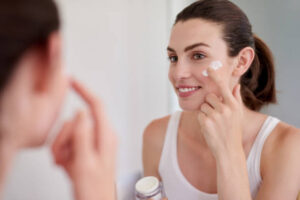
Skincare as a Stress-Relief Ritual
Skincare is not just cosmetic—it can become a soothing self-care practice. Gentle routines reduce inflammation and restore the skin barrier, protecting it against stress damage.
Recommended Skin-Calming Ingredients
| Ingredient | Benefits |
|---|---|
| Hyaluronic acid | Plumps and hydrates skin |
| Niacinamide | Reduces inflammation and strengthens barrier |
| Ceramides | Repairs skin barrier |
| Aloe vera | Soothes irritation & redness |
| Chamomile & green tea extracts | Calm sensitivity |
| Retinol (low concentration) | Supports cell renewal |
Routine Structure
AM Routine
- Gentle cleanse
- Hydrating serum
- Moisturizer
- Sunscreen (SPF 30+)
PM Routine
- Cleanse thoroughly
- Serum (hyaluronic or niacinamide)
- Moisturizer or overnight mask
Turn skincare into a slow ritual—warm the cleanser in your hands, massage gently, breathe deeply.
Additional Healthy Habits for Radiant Skin
Limit Excessive Screen Time
Prolonged exposure to digital screens emits blue light, which can accelerate signs of aging, increase hyperpigmentation, and disrupt natural sleep rhythms. Reducing screen time—especially in the evening—helps protect the skin’s repair cycle and supports a healthier, well-rested complexion.
Spend More Time Outdoors
Fresh air and natural sunlight help regulate cortisol and lift mood. Safe sun exposure also boosts vitamin D levels, which plays a role in skin cell growth and immune function. Even a short walk outside can promote emotional calm and a noticeable natural glow.
Strengthen Social Connections
Positive relationships reduce the production of stress hormones and improve emotional wellbeing. Whether chatting with a friend, enjoying a family meal, or joining a community activity, genuine connection supports mental balance, which reflects in healthier, more vibrant skin.
Reduce Alcohol and Tobacco Use
Alcohol dehydrates the body, dulls the complexion, and inflames the skin, while tobacco restricts blood flow and damages collagen. Limiting or avoiding these habits helps preserve elasticity, improve hydration, and maintain a brighter, firmer appearance over time.
Stress vs. Skin Health Balance
| When Stress is High | When Stress is Managed |
|---|---|
| Breakouts and excess oil | Clearer, smoother skin |
| Redness, inflammation, sensitivity | Even tone and reduced irritation |
| Dullness and fatigue | Natural glow and brightness |
| Dehydration and roughness | Plump, hydrated texture |
| Wrinkles and sagging from collagen loss | More youthful firmness |
| Poor sleep and recovery | Strong skin barrier and healing |
| Lower confidence | Improved self-esteem and emotional balance |
FAQs
1. Can stress really cause breakouts and acne?
Yes, stress can absolutely contribute to acne. When cortisol rises, it stimulates the sebaceous glands to produce excess oil. This oil combines with dead skin cells and bacteria, clogging pores and causing breakouts. Stress also weakens immunity, making the skin slower to heal and more prone to inflammation. Many people notice sudden flare-ups during stressful periods like exams, work pressure, or emotional transitions. Managing stress helps reduce the root causes and restore clearer, calmer skin naturally.
2. Why does lack of sleep affect skin appearance so dramatically?
Sleep is when the body performs vital repair processes. Without enough rest, collagen production decreases, inflammation increases, and hydration levels drop. Poor sleep reduces blood circulation, creating dark circles, puffiness, and dull complexion. Overnight restoration is essential for repairing sun damage, rebuilding skin cells, and maintaining elasticity. When sleep improves, skin becomes brighter, firmer, and smoother. A nighttime routine free from screens and caffeine helps significantly enhance overall skin quality.
3. How does hydration help reduce stress effects on the skin?
Hydration supports every cell in the body, including skin cells. When stressed, the body loses moisture faster, causing dryness, rough texture, and increased fine lines. Drinking enough water improves circulation, supports detoxification, nourishes skin cells, and strengthens the protective barrier. Hydrated skin appears plumper, smoother, and naturally radiant. Replacing sugary or caffeinated drinks with water or herbal teas helps maintain consistent hydration. Eating water-rich foods also contributes to overall moisture balance and a healthier glow.
4. Can nutrition really improve skin brightness and stress resilience?
Yes. Food affects the body’s hormone balance, inflammatory response, and ability to repair tissue damage. Nutrient-dense foods like salmon, berries, leafy greens, nuts, and citrus fruits deliver vitamins and antioxidants that protect skin cells and reduce oxidative stress. These nutrients also support collagen production and healthy digestion, which affect skin clarity. Avoiding excessive processed sugar and fried foods helps prevent inflammation and breakouts. Balanced meals contribute to steady energy, improved mood, and more vibrant skin.
5. How does exercise help reduce stress and improve skin appearance?
Exercise increases blood flow, delivering oxygen and essential nutrients directly to the skin. This improves cell regeneration and promotes natural detoxification through sweating. Physical activity lowers cortisol, reducing stress-related breakouts and inflammation. Exercise also releases endorphins, improving mood and sleep quality—two key factors for healthy skin. Even 20–30 minutes a day of walking, yoga, cycling, or stretching can dramatically improve complexion brightness, firmness, and smoothness over time.
6. What is the best type of skincare routine during stressful periods?
The best approach during stress is to simplify and focus on hydration and repair. Use a gentle cleanser, a hydrating serum such as hyaluronic acid or niacinamide, and a nourishing moisturizer to protect the skin barrier. Avoid aggressive exfoliation or trying many new products, which can irritate already sensitive skin. Adding soothing ingredients like aloe, ceramides, and chamomile helps calm inflammation. Treat your routine like a self-care ritual to relieve tension and support skin healing.
7. How long does it take to see improvement in skin after reducing stress?
Results vary depending on skin condition, stress intensity, and consistency of habits. Many people notice improvements in brightness and texture within two weeks when sleep, hydration, and skincare routines become consistent. Deeper changes such as reduced breakouts, improved barrier function, and fewer fine lines may take 4–8 weeks. Skin cells naturally regenerate every 28–40 days, so supporting the body through that cycle creates lasting results. Small daily choices work better than quick fixes.
Conclusion
Radiant skin reflects a radiant mind. Stress may be inevitable, but learning to manage it can support health, happiness, and natural beauty. By incorporating small but intentional habits—better sleep, calming mindfulness practices, hydrated nutrition, physical activity, and gentle skincare—you help the body rebalance internally and reveal healthier, glowing skin externally. The skin responds remarkably to consistency, kindness, and patience.
True beauty begins beneath the surface. When you care for your emotional wellbeing, the skin transforms naturally. Start with one habit at a time and allow gradual progress to build long-term change. Radiant skin is not about perfection—it is about supporting both the mind and the body with sustainable choices that help you look and feel your best every day.




Great Blog and fantastic Ideas.Really helpful Tips for More Radiant Skin.
There are many ways to reduce stress. Travelling to beautiful places can lead you to enjoy life more beautifully and it also remove the negative effect on mind.
I totally agree with your post as it helps to known about the different ways or methods to get rid of strees.
Love this article and completely agree with you. Because true health & glowing skin can only got from within happiness and begins with what you eat & think.
These are really great tips for stress reducing you have here! Thanks for sharing.
Great way to reduce stress and get flawless Skin in less time. Thanks Megri for sharing such informative stuff.. Keep posting 🙂 🙂