Key Takeaways
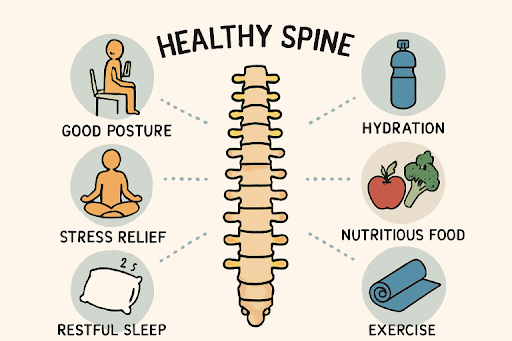
- Maintaining a healthy posture and ergonomic work habits helps prevent spinal strain and discomfort.
- Physical activity and core strengthening exercises are essential for a strong, resilient spine.
- Proper sleep habits and bedding choices improve spinal alignment and recovery.
- Nutrition and hydration are crucial factors in maintaining spinal disc health and controlling inflammation.
- Effective stress management and avoiding smoking significantly reduce risks to spine health.
Table of Contents
- Maintain Proper Posture
- Optimize Your Workspace Ergonomics
- Engage in Regular Physical Activity
- Adopt Spine-Friendly Sleep Habits
- Stay Hydrated
- Follow an Anti-Inflammatory Diet
- Manage Stress Effectively
- Avoid Smoking
- Final Thoughts
A healthy spine is fundamental to mobility, comfort, and overall well-being. Incorporating small but effective daily habits can make a significant difference in maintaining spinal health and reducing the risk of discomfort or injury. Whether you’re looking to improve your posture at work, stay mobile as you age, or prioritize long-term wellness, the path to a healthier spine is built on consistent, mindful choices. If you need personalized support, consider services like ChiroCare of Florida for professional guidance on spinal health.
Everyday routines, from how you sit and sleep to what you eat and drink, play a crucial role in maintaining your spine’s flexibility and functionality. Adopting these habits can help protect your back now and in the future, allowing you to remain active and pain-free for years to come.
Maintain Proper Posture
When it comes to spinal health, posture is often the first habit experts focus on. Practicing good posture while sitting, standing, or walking helps your spine maintain its natural curvature, thereby relieving pressure on muscles and joints. Slouching or leaning forward can lead to muscle fatigue and contribute to conditions such as kyphosis or chronic back pain. Make it a habit to check your posture periodically—roll your shoulders back, keep your ears aligned above your shoulders, and engage your core for added support. Using reminders or ergonomic tools can help reinforce this throughout the day.
Optimize Your Workspace Ergonomics
Many people spend several hours at a workstation, which can either support or undermine spinal health. Ideally, your chair should offer lumbar support, your feet should rest flat on the ground, and your screen should be at eye level. Simple modifications like these can prevent neck, back, and shoulder pain. Take breaks every 30 to 45 minutes to stand, stretch, or walk around—this alleviates pressure on the discs and allows your muscles a break from static positions. Accessories such as standing desks, supportive chairs, or footrests can be worthwhile investments for long-term spinal wellness.
Engage in Regular Physical Activity
Exercise is an essential part of maintaining a healthy spine, primarily because it strengthens your core muscles—the body’s natural support system for the back. Low-impact activities, such as yoga, Pilates, and swimming, increase flexibility, stability, and spinal mobility. Pilates moves such as “Rolling Like a Ball,” “Plank,” or “Single-Leg Stretch” are recommended to train the core and spinal muscles effectively. Adding these exercises to your routine, even a few times a week, can significantly reduce the risk of back pain and improve daily comfort.
Adopt Spine-Friendly Sleep Habits
How you sleep directly impacts how your spine recovers each night. Experts suggest using a medium-firm mattress that supports the body’s alignment, preventing sagging that might strain your back. For side sleepers, placing a pillow between your knees helps keep your hips properly aligned, thereby reducing pressure on your lower back. Back sleepers can benefit from a pillow under the knees, which relieves tension in the lumbar spine. Good bedding and supportive sleep positions not only help you wake up refreshed but also promote spinal health during crucial overnight repair periods.
Stay Hydrated
Hydration is often overlooked but crucial for spinal well-being. Spinal discs, which act as shock absorbers between vertebrae, are mostly composed of water; staying well-hydrated ensures they remain pliable and function effectively. The general recommendation is to drink at least eight cups of water per day, but this amount can vary depending on an individual’s activity level and climate. Consuming water-rich foods, such as cucumbers, celery, and watermelon, is another easy way to support disc hydration.
Follow an Anti-Inflammatory Diet
Nutrition plays a pivotal role in managing inflammation and protecting spinal tissues. An anti-inflammatory diet, which emphasizes omega-3 fatty acids from fish, healthy fats like olive oil, and antioxidant-rich produce such as leafy greens and berries, can help prevent inflammation that leads to pain and spinal degeneration. Reducing processed foods and sugary drinks further helps maintain a healthy environment for your spine and overall wellness.
Manage Stress Effectively
High-stress levels may present physically as muscle tension, particularly in the neck, shoulders, and lower back. Chronic tension can trigger or worsen spinal pain. Practicing stress management techniques, such as deep breathing, meditation, or gentle movement routines, can help lower stress hormones and relax the muscles surrounding the spine. Regular yoga, mindfulness practices, and simple self-care routines can have a noticeable impact on both physical and mental well-being.
Avoid Smoking
Smoking is particularly detrimental to spinal health, as it reduces blood circulation and starves spinal discs of vital nutrients and oxygen. Over time, this accelerates disc degeneration, increasing the risk of chronic pain and back injuries. Quitting smoking leads to improved circulation, better healing, and a reduced likelihood of future spinal problems. The benefits extend to your entire musculoskeletal system, supporting your body’s longevity and resilience.
Building these habits into your daily routine doesn’t require drastic lifestyle changes. Simple, mindful actions spread throughout your day safeguard your spine and enhance your quality of life for years to come.
Maintaining a healthy spine often comes down to simple, consistent habits such as improving posture, strengthening core muscles, and staying active with low-impact exercise. Research shows that targeted movement approaches like Pilates can play a key role in supporting spinal alignment, reducing back pain, and improving overall function by enhancing core stability and flexibility.
For those looking to go beyond general habits, Clinical Pilates offers a more structured and personalised approach. It focuses on controlled, therapeutic exercises tailored to individual needs, helping to correct movement patterns, build spinal support, and reduce strain from daily activities. Prologue Wellness explains how Clinical Pilates programs can be adapted for both prevention and rehabilitation, making it a practical option for anyone wanting to maintain long-term spine health while moving safely and efficiently.
Final Thoughts
Maintaining a healthy spine is foundational to overall well-being, mobility, and quality of life. By combining proper posture, ergonomic work habits, regular physical activity, supportive sleep practices, hydration, a balanced diet, stress management, and avoidance of harmful habits like smoking, you create a comprehensive approach to spinal health. These small, consistent daily habits not only prevent discomfort and injury but also enhance long-term functionality and resilience. Prioritizing your spine today ensures that you remain active, pain-free, and able to enjoy life to the fullest for years to come.