Key Takeaways
- Nurses have a vital influence both inside and outside hospital settings.
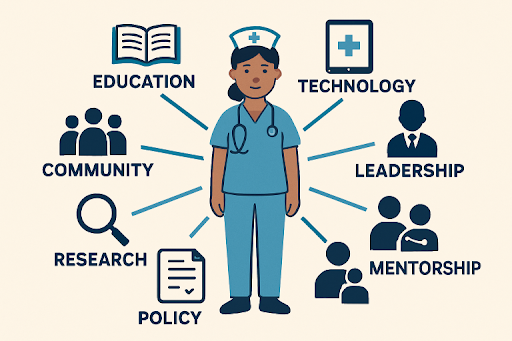
- Expanding education, advocacy, technology use, and leadership elevates their effect on health systems and communities.
- Mentorship, community engagement, and research play key roles in advancing nursing’s contributions.
Table of Contents
- Advancing Education to Lead Change
- Engaging in Community Health Initiatives
- Advocating for Health Policy Reform
- Mentoring the Next Generation
- Utilizing Technology to Expand Reach
- Participating in Research and Evidence-Based Practice
- Leading Interdisciplinary Teams
- Promoting Preventive Care
- Conclusion
Nurses stand as pillars of the healthcare system, delivering essential care and compassion to patients every day. Their influence, however, stretches well beyond bedside support, reaching into the worlds of education, leadership, technology, and advocacy. By embracing roles that extend outside direct patient care, nurses hold the power to shape the future of healthcare and public health more broadly. Nurses interested in advancing their impact may consider a MSN Nurse Educator online program—this path provides nurses with the critical skills to drive meaningful change throughout the healthcare landscape.
Through ongoing learning, mentorship, and community partnership, nurses contribute unique insights to tackling systemic challenges, health policy, and disease prevention. Their real-world experience and compassion improve healthcare, boosting patient outcomes and workforce satisfaction. As healthcare evolves, nurses’ voices and skills become vital, from managing tech innovations to shaping preventive health strategies. They make an impact beyond traditional bedside
Advancing Education to Lead Change
Lifelong learning is an essential tenet of modern nursing. Nurses who pursue advanced degrees, such as a Master of Science in Nursing (MSN), position themselves to take on pivotal leadership roles both within clinical organizations and academic settings. Enhanced education enables nurses to implement evidence-based practices, direct quality improvement initiatives, and guide health policy development.
Alongside formal education, the environments in which nurses practice also play a significant role in shaping their leadership capabilities. Exposure to diverse clinical settings — different patient populations, care models, and organizational structures — accelerates the kind of systems thinking that advanced degrees alone cannot fully replicate. Nurses who partner with a reputable healthcare nurse staffing agency gain access to varied placement opportunities that complement their academic development, building the practical breadth of experience that strengthens their capacity to lead quality improvement initiatives and influence healthcare delivery across multiple settings.
The transition to higher-level responsibilities helps bridge the gap between practice and leadership. It also equips nurses with the skills to teach, support, and motivate colleagues, creating a ripple effect of change. The American Association of Colleges of Nursing highlights higher nursing education as a key driver for enhancing healthcare outcomes and patient safety.
Engaging in Community Health Initiatives
Nurses are vital in meeting community health needs through leadership in screenings, workshops, and vaccination drives, especially for underserved populations. They build trust, promote healthier lifestyles, and collaborate with local groups to create sustainable wellness frameworks, reducing health disparities and improving outcomes. The CDC highlights community nurses’ key role in decreasing preventable diseases and advancing health equity.
Advocating for Health Policy Reform
Nurses’ hands-on experience provides critical insight for policymakers striving to address systemic healthcare challenges. By actively participating in policy development through advisory boards, legislative testimony, and professional organizations, nurses ensure that patient needs and workforce welfare are reflected in healthcare reforms.
Involvement at this level brings a practical, compassionate perspective to decision-making, increasing the likelihood of achieving sustainable, patient-centered improvements across the healthcare continuum.
Mentoring the Next Generation
Mentorship is vital to the long-term strength and morale of the nursing profession. Seasoned nurses who invest in guiding students and early-career nurses provide critical support, helping newcomers navigate challenging clinical settings and encouraging their professional growth.
Effective mentorship leads to increased job satisfaction, reduced turnover, and enhanced patient outcomes. It builds confidence, fosters resilience, and cultivates a collaborative team environment that ultimately enhances the delivery of care.
Utilizing Technology to Expand Reach
The digital transformation of healthcare has opened new avenues for nurses to connect with, educate, and support patients worldwide. The integration of telehealth systems allows nurses to deliver care in rural and remote settings, breaking down geographical barriers and expanding access.
Social media and online platforms enable nurses to share reliable health information, disseminate critical updates during public health emergencies, and encourage healthy behaviors at scale. This expanded reach ensures that more individuals benefit from nursing expertise and resources, regardless of location.
Participating in Research and Evidence-Based Practice
Nurses strengthen the science of care by engaging in research and implementing evidence-based interventions. Direct involvement in clinical studies, quality improvement initiatives, and outcomes analysis ensures care delivery is grounded in the latest research and best practices.
This continuous quest to improve protocols and safety standards sets the stage for better patient experiences and paves the way for future innovation in healthcare.
Leading Interdisciplinary Teams
Effective patient care increasingly relies on coordinated, multidisciplinary teamwork. Nurses often serve as vital liaisons, ensuring seamless communication between physicians, therapists, social workers, and support staff.
Leadership in these roles enhances care coordination, reduces medical errors, and fosters the development of comprehensive care plans, ultimately leading to improved overall outcomes.
Promoting Preventive Care
A focus on preventive care reduces chronic disease and hospitalizations by educating the public on early detection, healthy lifestyles, and risk factors. This empowers communities to manage their health, improves quality of life, and cuts healthcare costs. Nurses, as educators, advocates, researchers, and leaders, influence beyond bedside care, fostering positive change for patients and the healthcare system. By expanding their skills, they keep nursing vital to public health and community support.
Conclusion
Nurses continue to shape the future of healthcare by extending their influence far beyond traditional clinical roles. Through advanced education, community engagement, policy advocacy, mentorship, and research, they drive improvements that strengthen both patient outcomes and healthcare systems. Their leadership in interdisciplinary teams and commitment to preventive care further demonstrate the profound impact they have on individuals and communities alike. As the profession evolves, nurses who embrace lifelong learning and actively participate in meaningful initiatives are well-positioned to lead transformative change, ensuring a more equitable, informed, and resilient healthcare landscape for generations to come.