Table of Contents
- Understanding Smart Process Automation
- Benefits of Automating Expense Management
- Key Technologies in Expense Automation
- Implementing Automation in Your Organization
- Overcoming Challenges in Automation Adoption
- Future Trends in Expense Management Automation
- Conclusion
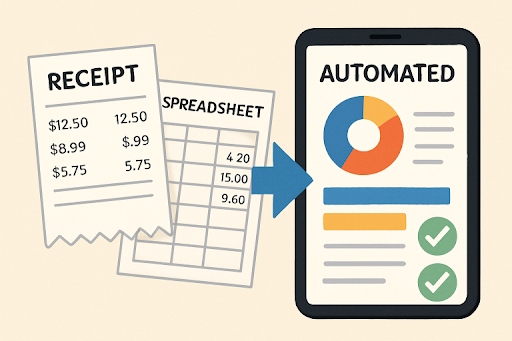
Businesses today face increasing pressure to manage expenses swiftly and with precision. Conventional methods often rely on paper receipts, cumbersome spreadsheets, and significant manual oversight. These processes can quickly become barriers to operational efficiency and introduce avoidable errors. By adopting expense management platforms that incorporate automation, organizations can streamline workflows and reclaim valuable time for more strategic finance initiatives. Automated solutions handle data entry, simplifying report generation and reducing the risk of errors, enabling better decision-making for both employees and finance teams.
Switching to innovative process automation is about more than just going paperless; it means harnessing technology to optimize every step in the expense journey. With digital tools, companies gain real-time visibility into spending patterns, accelerate approvals, and reinforce policy compliance. This modern approach frees finance professionals to focus on higher-level analysis rather than digging through receipts and auditing every transaction by hand. Investing in more innovative systems also sends a powerful message about a company’s commitment to innovation and efficiency.
Expense automation further supports scaling businesses that struggle to keep up with growing transaction volumes. Rather than being limited by team bandwidth or the risk of bottlenecks, intelligent systems are designed to handle spikes in activity without faltering. Organizations of any size can benefit, whether they are startups setting up scalable systems or established enterprises optimizing existing infrastructure.
The right approach to automation enables more accurate forecasting and improved transparency throughout the reimbursement cycle. As more businesses recognize these advantages, implementing digital expense solutions is rapidly becoming standard practice across industries.
Understanding Smart Process Automation
Smart process automation utilizes a blend of artificial intelligence (AI), machine learning (ML), and advanced data capture technologies to replace manual tasks with digital alternatives. For expense management, this means shifting from time-consuming paperwork to intuitive software that processes receipts, classifies expenses, audits policy compliance, and flags discrepancies, all with minimal human intervention. The goal is to streamline the workflow for everyone involved, from submitting expenses to financial reconciliation and reporting.
Benefits of Automating Expense Management
- Increased Efficiency: Teams spend less time manually processing expenses, helping maintain momentum across departments and keeping approval timelines short.
- Enhanced Accuracy: Automated platforms enforce rules to protect against human error, resulting in more reliable financial data and credible reporting for audits or regulatory purposes.
- Cost Savings: By reducing the hours spent on routine tasks and minimizing mistakes, businesses lower administrative costs and avoid costly errors or duplicate spending.
- Improved Compliance: Automated management ensures every expense follows company policy and meets legal requirements, protecting organizations from compliance pitfalls.
Key Technologies in Expense Automation
Several core technologies make modern expense automation possible:
- Optical Character Recognition (OCR): OCR scans and converts printed or handwritten receipts, invoices, and other documents into editable, searchable text, making it easier to consolidate and review transactions.
- Artificial Intelligence (AI): AI systems perform intelligent categorization, detect spending anomalies, and provide predictive insights, enabling proactive budget management and future planning.
- Machine Learning (ML): Over time, ML algorithms learn from company-specific data to detect new forms of fraud, refine policy enforcement, and enhance the accuracy of automated categorization.
For a comprehensive look at trends shaping finance automation, see the resource from CFO.com on how automation is transforming the finance function.
Implementing Automation in Your Organization
- Assess Current Processes: Review pain points within existing expense handling to identify where automation will deliver the most value.
- Choose the Right Tools: Evaluate software vendors based on their compatibility with your organization’s current systems, user-friendliness, and scalability as needs grow.
- Train Employees: Change can trigger resistance, so comprehensive training and support are critical to ensure smooth adoption and full utilization.
- Monitor and Optimize: Continually evaluate the system’s effectiveness using key metrics and employee feedback, and adjust as new needs or inefficiencies emerge.
Overcoming Challenges in Automation Adoption
- Resistance to Change: Communication is key to easing concerns and ensuring all team members understand how automation will make their work easier and more impactful.
- Integration Issues: Systems should work seamlessly with your broader financial infrastructure without introducing new problems or data silos.
- Data Security: With sensitive financial data at stake, strong cybersecurity protocols and regular audits are essential to maintain trust and compliance.
The Harvard Business Review offers insight into managing technological transitions within organizations and can be found at HBR.org.
Future Trends in Expense Management Automation
- Mobile Integration: Modern solutions allow users to submit expenses instantly from any device, eliminating delays and paperwork for traveling or remote employees.
- Advanced Analytics: Combining automation with powerful analytics tools enables dynamic insights, helping finance leaders spot inefficiencies and cost-saving opportunities in real time.
- Blockchain Technology: Decentralized ledgers offer a new level of transparency, security, and auditability for sensitive financial transactions and company reimbursements.
Conclusion
Transitioning to smart process automation for expense management delivers tangible benefits in accuracy, efficiency, and control over company spending. With the right technology and planning, organizations are well-positioned to minimize risks, maximize value from their resources, and future-proof their financial operations. Keeping pace with ongoing innovation in this space will ensure finance teams remain agile and prepared for whatever comes next.