Key Takeaways
- Heat pumps provide efficient heating and cooling in a single, versatile system.
- Energy bills and carbon emissions can be significantly reduced with heat pumps.
- Government incentives can offset upfront costs for homeowners.
- Quality installation and regular maintenance are key to optimal performance.
Table of Contents
- What Are Heat Pumps?
- Types of Heat Pumps
- Energy Efficiency Benefits
- Cost Savings and Incentives
- Environmental Impact
- Installation and Maintenance
- Choosing the Right Heat Pump
- Conclusion
Heat pumps have become a vital solution for homeowners seeking energy efficiency. Unlike traditional systems, these innovative devices offer both heating and cooling in an environmentally friendly package. As more people seek alternatives to reduce energy bills and limit environmental impact, heat pumps have gained recognition for their efficiency and adaptability. Homeowners interested in the advantages tailored to colder climates, such as Ottawa, should consider resources like Cold Climate Heat Pump Ottawa for comprehensive information and options suited to extreme weather conditions.
One major advantage of heat pumps is their ability to provide year-round comfort using less energy than conventional furnaces or air conditioners. Instead of burning fossil fuels, these systems transfer heat, making them significantly more efficient. As communities work toward sustainability, heat pumps are playing an essential role in reducing household emissions and energy use. With effective government incentives and improving technology, more households than ever can benefit from clean heating and cooling solutions.
Although installation can seem costly at first glance, the long-term benefits include consistent savings on energy bills, lower maintenance costs compared to traditional equipment, and the opportunity to capitalize on rebate programs. With climates becoming more unpredictable, heat pumps are reliable investments for future-proofing homes and reducing overall energy consumption. For a deep dive into technical details and the industry’s outlook, the U.S. Department of Energy’s Heat Pump Systems Guide offers valuable insights.
What Are Heat Pumps?
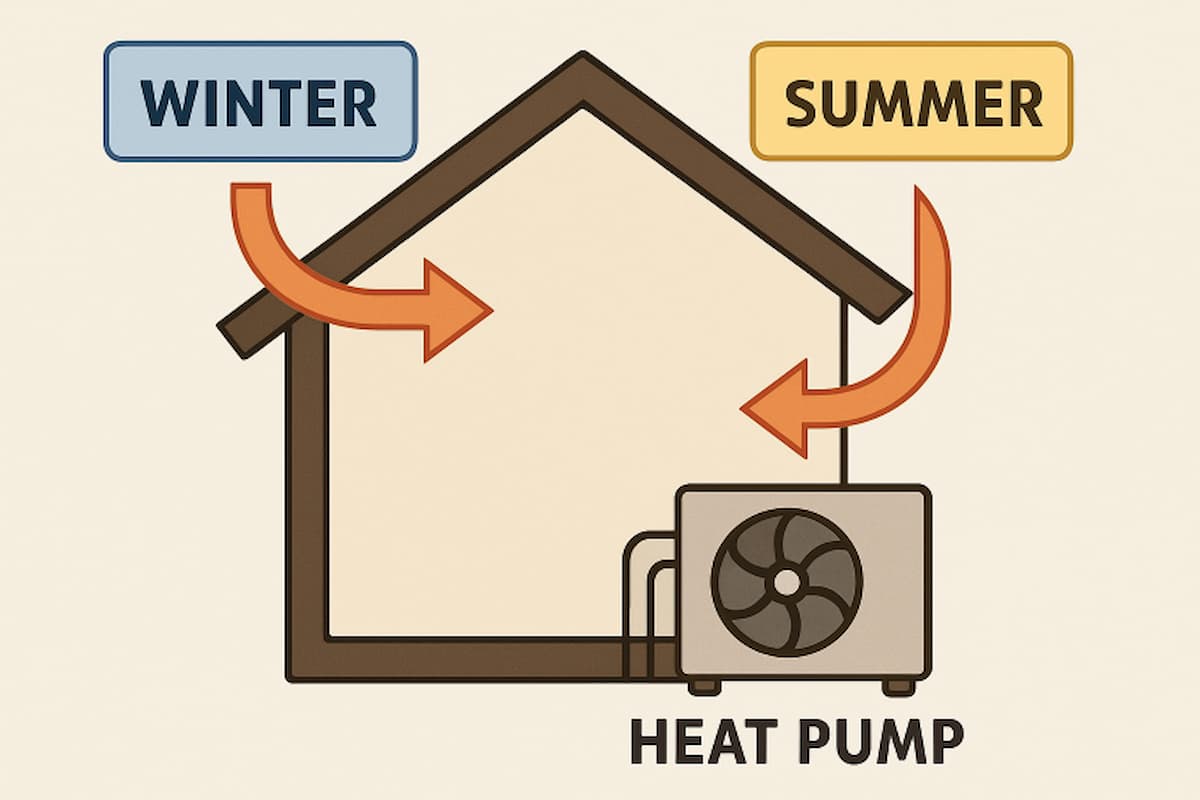
Heat pumps serve as dual-function systems for heating and cooling by transferring heat from one place to another. Instead of generating heat through combustion, a heat pump moves warmth from the outside (air, ground, or water) into the home during winter months. In the summer, the process reverses, removing heat from indoors to keep the space cool. This transfer process greatly improves energy efficiency, since less energy is required to move heat than to produce it.
Types of Heat Pumps
The choice of a heat pump depends on a variety of factors such as environment, available resources, and budget. The most common types include:
- Air-Source Heat Pumps: These are the most widely used systems, extracting heat from outdoor air. They work best in moderate climates and have seen significant improvements that allow them to perform well even in lower temperatures.
- Ground-Source (Geothermal) Heat Pumps: By leveraging the near-constant temperature underground, these systems offer superior efficiency. While installation is more expensive due to the need for underground piping, they deliver exceptional performance and long-term cost savings.
- Water-Source Heat Pumps: These require access to a nearby water body, drawing heat to warm the home or dissipating heat to cool it. Water-source systems are ideal for properties located near lakes or ponds.
 Energy Efficiency Benefits
One of the main reasons homeowners consider heat pumps is their capacity for energy savings. According to the U.S. Department of Energy, advanced heat pump systems can reduce home heating and cooling energy use by 31 to 47 percent on average. When installed alongside upgraded insulation and energy-efficient windows, some homeowners have reported even greater energy reductions of 41 to 52 percent. This efficiency directly translates to savings on monthly utility costs and supports a more sustainable approach to home comfort. For industry data and government guidance, the U.S. Department of Energy’s Heat Pump Systems Guide offers comprehensive information.
Cost Savings and Incentives
While the upfront investment for a heat pump system is typically higher than for a traditional furnace or air conditioner, the lower operating costs deliver significant savings over the equipment’s lifespan. Homeowners may save hundreds or even thousands of dollars each year, making the investment worthwhile. Additionally, government incentives are making it easier for families to transition. For example, the Inflation Reduction Act offers U.S. residents a federal tax credit of up to 30 percent for qualifying heat pump installations, and many provinces in Canada have comparable incentive programs, including rebates and interest-free loans.
Environmental Impact
By using electricity rather than fossil fuels, heat pumps dramatically reduce household greenhouse gas emissions. Research from the National Renewable Energy Laboratory found that residential heat pumps could reduce home-sector greenhouse gas emissions by 36-64 percent if adopted widely, even accounting for the emissions from generating new electricity. This widespread adoption can play a major role in government and community efforts to achieve emission reduction targets and bolster climate resilience.
Installation and Maintenance
To achieve optimal results, professional installation is critical. A qualified technician will assess the property, choose the properly sized unit, and install the system for maximum performance. After installation, homeowners should schedule regular maintenance, including filter changes, coil cleaning, and refrigerant level monitoring. These measures not only ensure efficiency, but they can also extend the service life of a heat pump well beyond a decade.
Choosing the Right Heat Pump
Finding the right system involves evaluating climate, property size, existing insulation, and the local cost of energy. Professional installers often conduct a thorough home energy audit to ensure the selected unit meets the property’s specific needs. Available incentives, warranty coverage, and after-care support also matter when choosing a heat pump. Consulting reputable guides and speaking with local experts can help clarify the solution that best fits your budget and long-term needs.
Conclusion
As the drive for cleaner energy and efficient home solutions intensifies, heat pumps are emerging as the top choice for future-ready households. Their dual heating and cooling capacity, significant energy savings, and support from federal programs solidify their place in a sustainable home. By choosing a heat pump and having it installed and maintained by professionals, families can enjoy year-round comfort, lower utility costs, and a reduced carbon footprint.