Table of Contents
- Data Enrichment Trends Shaping Tomorrow’s Business Decisions
- AI-Powered Analytics
- Real-Time Data Processing
- Data Privacy and Compliance
- Multi-Channel Data Integration
- Automation in Data Enrichment
- Conclusion
Today, data has cemented its status as one of the primary drivers of innovation and competitive advantage. With so much information being generated at every customer touchpoint, the ability to harness its full potential has become critical. Businesses are using methods such as enriching data to enhance what they already know about their customers, products, and operations. These efforts enable an organization to unlock fresh insights, tailor communications, and make better strategic decisions.
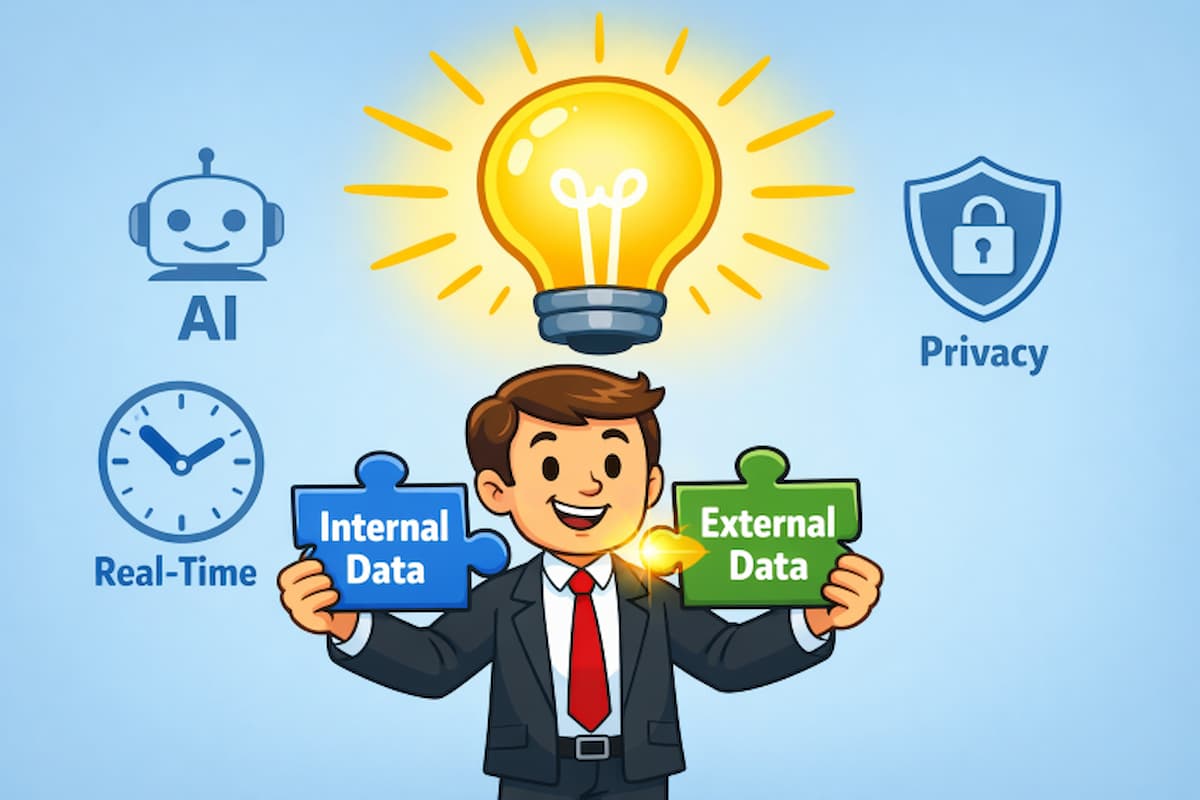
Data enrichment involves combining in-house data with external resources to gain a holistic view of operations or consumer behavior. This process refines targeting, helps personalize user interactions, and adds context for smarter forecasting. As the landscape continues to evolve, companies need to stay abreast of the major trends shaping how enrichment is conducted. Understanding these trends is not just about gaining an edge. It is vital for future-proofing your business in a digital-first world.
AI-Powered Analytics
Artificial Intelligence and machine learning are at the forefront of the data enrichment revolution. With their predictive power, these technologies allow analysts and marketers to make sense of vast and complex information sets faster than ever. AI-powered solutions actively identify data patterns, highlight outliers, and determine likely outcomes, making predictive analytics an everyday resource rather than a luxury for big tech firms.
This evolution means businesses can anticipate customer behaviors and market trends, making adjustments to marketing, sales, and operations in a far more agile way. According to Forbes, companies integrating AI-powered enrichment solutions have seen marked increases in qualified leads, efficiency, and overall revenue growth due to deeper, faster insights.
Real-Time Data Processing
The speed at which organizations can interpret and react to data is now seen as a competitive differentiator. Real-time analytics, made possible by more robust technology infrastructures, enables continuous, live integration of new data points from various sources. Retailers, for example, can instantly adjust on-site offers based on current consumer activity, while logistics providers can reroute shipments dynamically in response to global news or weather events.
Real-time enrichment tools provide business leaders with up-to-the-minute visibility into key performance indicators and potential risks, ultimately driving faster and more confident business decisions. This trend supports the growing need for businesses to become more agile and responsive in markets that evolve rapidly. Real-time processing will only grow more vital as organizations look to capitalize on fleeting opportunities and mitigate risks as soon as they arise.
Data Privacy and Compliance
As organizations deepen their reliance on enriched information, data privacy and protection take center stage. Regulatory frameworks like the GDPR in Europe and the CCPA in California are setting strict boundaries on how information can be collected, used, and shared. Ensuring compliance is no longer just an IT issue; it is a core part of customer trust and brand reputation.
Companies are implementing rigorous data governance policies, investing in privacy-focused technologies, and assigning data protection officers to oversee compliance efforts. Being transparent about data sourcing and securing customer information helps not only in meeting legal standards but also in building long-term loyalty among increasingly privacy-conscious consumers. Failure to adhere to regulations can result in substantial fines, as well as the loss of hard-earned consumer trust, making this trend critical for continued growth.
Multi-Channel Data Integration
Today’s customers interact with brands across websites, social media, in-person stores, and customer service channels. Unifying these data streams is not just about collecting more information; it is about building seamless, singular profiles that follow a user’s entire journey. Multi-channel data integration enables organizations to break down silos and ensure that everyone from sales to support operates from the same playbook.
By connecting and integrating these diverse touchpoints, businesses gain a deeper understanding of behavior over time, preferences, and pain points. This can dramatically improve both the relevancy of marketing campaigns and the quality of direct engagements with customers, creating a holistic view that significantly enhances the customer experience. Major brands are already leveraging this interconnectedness to achieve double-digit improvements in campaign conversion rates.
Automation in Data Enrichment
Manual data collection and enrichment tasks are increasingly being automated through AI algorithms and advanced software platforms. These tools can identify gaps, fill in missing information, and proactively clean datasets. Automation reduces the risk of human error and significantly speeds up cycles, allowing teams to focus on making strategic use of the resulting insights.
With the adoption of automated enrichment expanding, quality improvements are evident, such as higher accuracy rates in CRM systems and data platforms, as well as faster onboarding of new sources. The efficiency this brings also helps businesses scale enrichment efforts painlessly as their data needs and operational complexities grow.
Conclusion
The trends in data enrichment are not just reshaping the day-to-day operations for companies but are serving as foundational strategies for business leaders looking to drive sustainable growth. Businesses that prioritize innovations like AI-driven analytics, real-time processing, enhanced privacy protocols, and unified data integration will be better positioned to meet customer needs, comply with evolving regulations, and maintain a competitive edge in tomorrow’s digital economy.