Key Takeaways
- Group therapy fosters a sense of community, reducing feelings of isolation among participants.
- It provides peer support and accountability, essential components for successful recovery.
- Virtual group therapy increases accessibility, allowing individuals to participate from the comfort of their homes.
- Cost-effectiveness of group therapy makes mental health care more affordable and accessible.
Table of Contents
- Introduction
- Reducing Isolation Through Community
- Peer Support and Accountability
- Enhancing Accessibility with Virtual Group Therapy
- Cost-Effectiveness of Group Therapy
- Overcoming Challenges in Group Therapy
- Conclusion
Introduction
For many individuals navigating the recovery process, overcoming addiction and mental health challenges can feel overwhelming. The journey is often marked by periods of loneliness, uncertainty, and the need for ongoing support. As an evidence-based approach, group therapy has become an essential pillar in many recovery programs, offering a unique blend of peer connection, shared experience, and practical support. At credible local resources like Drug Rehab in San Diego, CA, individuals can access group therapy tailored to their specific needs and recovery stage.
Group therapy extends beyond traditional one-on-one counseling by bringing together people who face similar struggles. This shared environment allows participants to build meaningful relationships, share their experiences freely, and gain fresh perspectives on their own recovery paths. By creating space for mutual encouragement and understanding, group therapy breaks down the barriers that often hinder personal progress and emotional healing. Modern recovery now offers flexible formats, including both in-person and virtual options, further reducing access barriers. Group therapy remains vital in bridging gaps in care, especially as mental health services strive to reach broader, more diverse communities. The accessibility, affordability, and effectiveness of this therapeutic approach make it a preferred choice for many seeking sustained recovery. In this article, we explore how group therapy works to dismantle the obstacles tied to recovery, and why it continues to be a reliable solution for those addressing addiction and mental health challenges.
Reducing Isolation Through Community
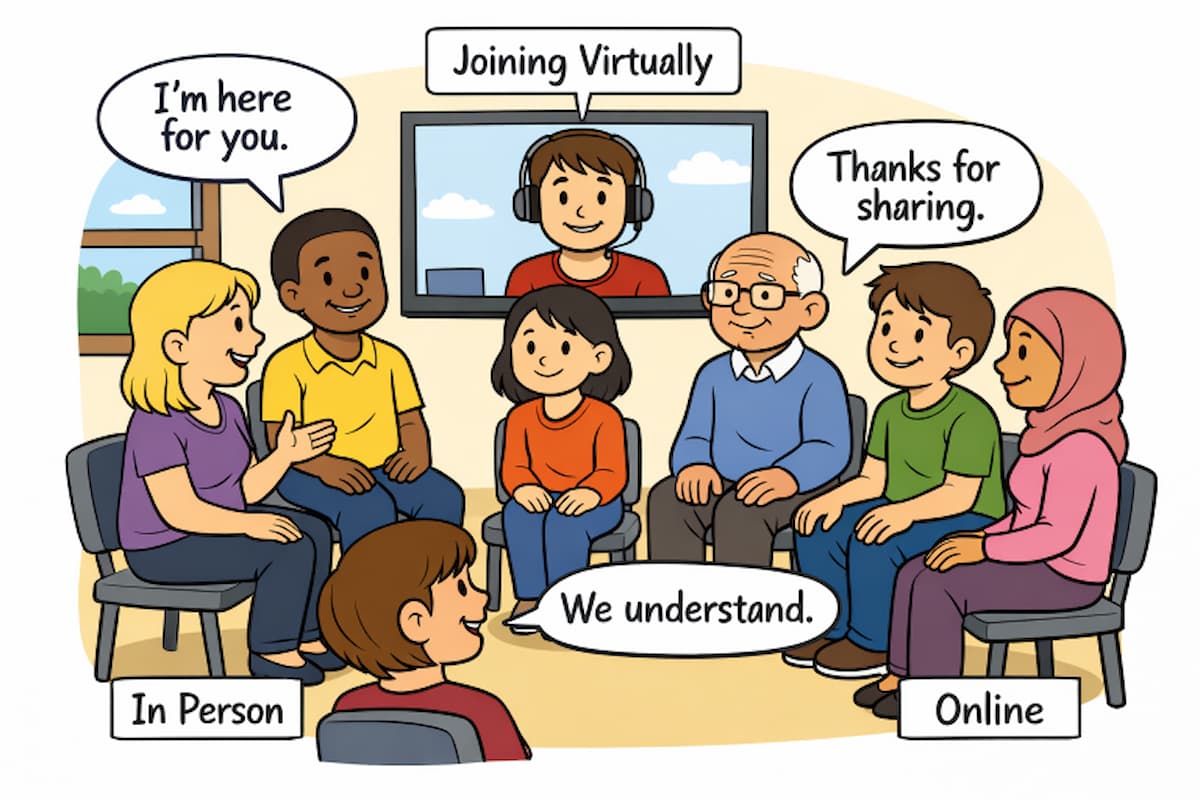
The isolating effects of addiction and mental health struggles are well-documented. Whether due to stigma, shame, or a lack of understanding from friends and family, many people in recovery face profound disconnection. Group therapy creates a safe, nonjudgmental space in which individuals realize they are not alone. Participants often report a deep sense of relief when they encounter others who understand their journey on a personal level. This sense of community is more than emotional comfort. Studies show that strong social bonds can play a critical role in recovery outcomes by improving adherence to treatment and reducing relapse rates.
Peer Support and Accountability
One distinguishing factor of group therapy is peer-driven motivation. In these settings, members hold each other accountable for personal goals and forward movement, whether in terms of sobriety milestones, progress in mental health treatment, or the adoption of healthy daily routines. Accountability within a group context has proven especially effective for long-term recovery success.
Group therapy sessions frequently involve the sharing of practical strategies for coping with stress, cravings, or setbacks. While a therapist or facilitator guides the discussion, much of the learning comes from group members themselves, who offer insights from their lived experiences. This collaborative environment empowers individuals to try new approaches, refine their coping mechanisms, and find encouragement during setbacks. Ongoing feedback and reinforcement from others provide both validation and motivation for consistent progress.
Enhancing Accessibility with Virtual Group Therapy
Access to mental health services has historically been limited by factors such as location, transportation, mobility issues, and demanding schedules. Virtual group therapy addresses these barriers, helping individuals connect from virtually anywhere with a stable internet connection. People who might otherwise forgo treatment due to inconvenience or discomfort can now participate in group sessions from the privacy of their own homes. This broadened accessibility has important public health implications. Virtual options have made group therapy available to people in rural or underserved areas and to those unable to attend in-person meetings due to other life commitments or physical limitations.
Cost-Effectiveness of Group Therapy
The higher costs of individual therapy can prevent many people from seeking timely mental health care. Group therapy is frequently a more affordable option, as costs are distributed among multiple participants in each session. This makes comprehensive support accessible to more individuals, ensuring fewer people are left untreated due to financial constraints. Wider utilization of group therapy not only benefits individuals but can also ease the financial strain on the broader health care system. Research indicates that increasing group therapy offerings could result in substantial public health savings while dramatically expanding access to support services for people in need.
Overcoming Challenges in Group Therapy
Despite its many advantages, group therapy can present challenges. Common concerns include fear of judgment, discomfort when sharing personal details, or anxiety about confidentiality. To address these issues, skilled facilitators establish clear ground rules around privacy and mutual respect at the outset. Signing confidentiality agreements at the start of each group cycle helps ensure individuals feel safe expressing themselves. Logistical challenges, such as scheduling conflicts, are managed by offering sessions at various times and in diverse formats, including hybrid in-person and online models. Some groups are tailored to specific populations based on age, gender, or type of struggle so that participants can choose an environment best suited to their needs. With patient guidance and robust ethical frameworks, group therapy can offer transformational benefits while continuously working to resolve participant concerns.
Conclusion
Group therapy stands as a powerful tool in reducing isolation, amplifying peer support, improving accessibility, and offering a cost-effective solution to recovery challenges. For individuals embarking on the path to wellness, whether through in-person or virtual sessions, the collective strength, wisdom, and empathy established within these groups can be life-changing.