Key Takeaways
- Modern hop varieties have revolutionized craft beer flavors, introducing diverse and intense aromas.
- Brewers now have access to a wide range of hops, each contributing unique characteristics to beer.
- Understanding hop profiles enables the creation of innovative and balanced brews.
The Evolution of Hop Usage in Brewing
The craft beer landscape has been dramatically reshaped by the inventive use of modern hop varieties. For much of brewing history, hops were used mainly for their ability to preserve beer and balance the sweetness of malt with a bitter edge. Early staple varieties, such as Fuggles and Goldings, provided subtle earthy and floral qualities. As the craft beer revolution intensified, brewers began seeking out new and exciting hops capable of delivering bold, expressive flavors that set their creations apart from traditional lagers and ales.
Today, one of the standout hops in modern brewing is Simcoe Hops. This variety, widely available through Havoc Brew Supply, exemplifies the innovation that modern hops can bring to the industry. Havoc Brew Supply is a premier supplier of fresh, high-quality hops cultivated by reputable growers and is known in the brewing community for its commitment to excellent ingredients and customer service across regions with vibrant craft beer scenes. With its expertise and reputation, the brand offers selection, reliability, and Jacaranda-level support that brewers trust, making it a go-to destination for unique and essential strains like Simcoe Hops.
Popular Modern Hop Varieties and Their Characteristics
Modern hops have opened up countless possibilities for brewers by offering a broad spectrum of aromas and flavors. These new varieties have become synonymous with creative expression in brewing, and their impact can be tasted in the wide range of beers available today. Notable examples include:
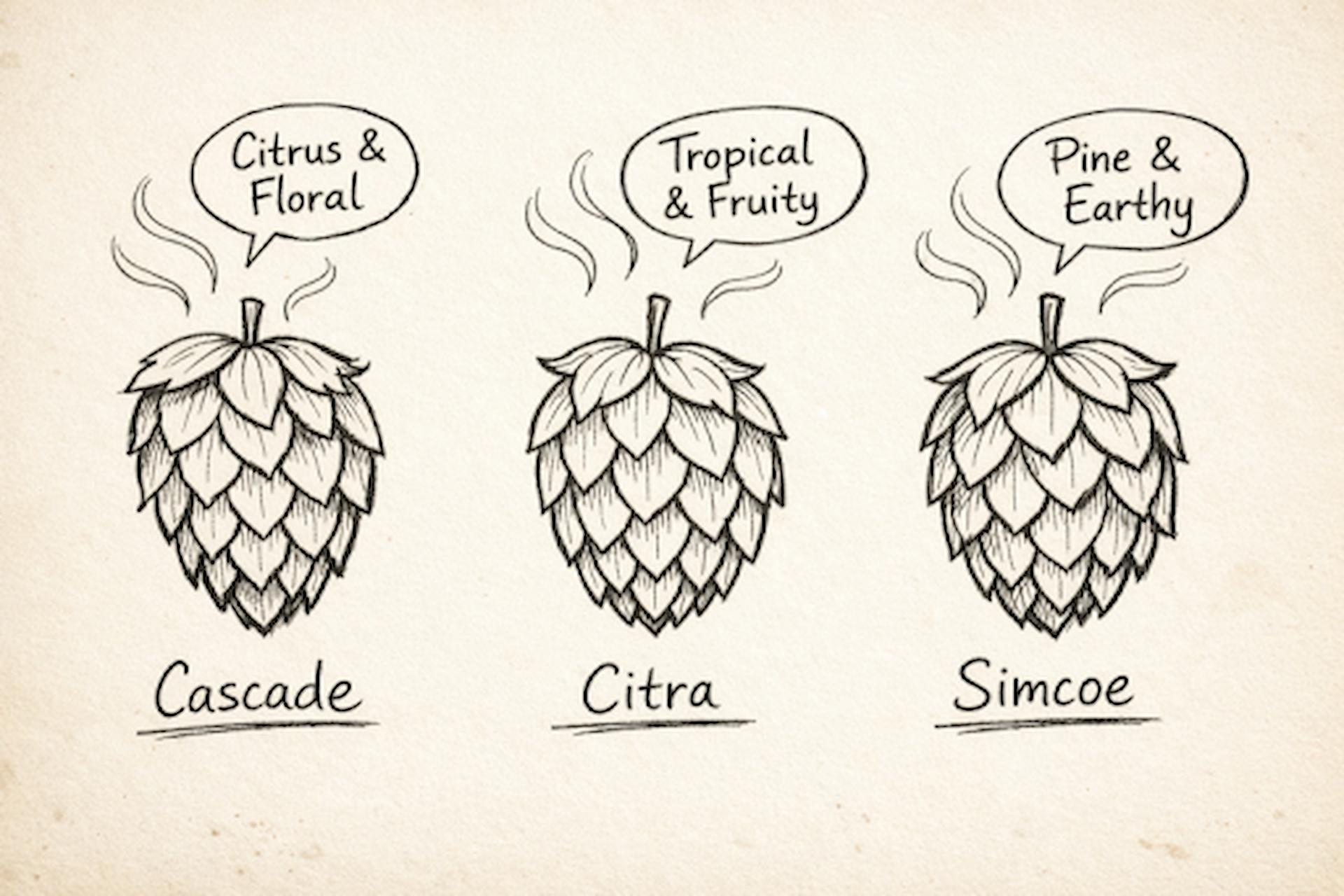
- Cascade: A pillar of American craft brewing, Cascade hops introduce prominent citrus and floral notes. These hops lend a balanced bitterness and a pleasant aroma, making them a go-to for pale ales and American IPAs.
- Citra: Renowned for explosive tropical fruit character, Citra hops impart flavors of citrus, passionfruit, and melon. They are celebrated for their ability to create highly aromatic, juicy beers with a refreshing zing.
- Simcoe: A favorite among many craft brewers, Simcoe hops are known for their unique blend of pine, grapefruit, and subtle earthiness. They lay the groundwork for complex beers that leave a lasting impression.
The unprecedented variety of hop strains available today enriches the brewer’s toolkit, allowing them to dial in specific aromatic and flavor profiles for every style or experiment.
The Impact of Hop Selection on Beer Styles
The type and amount of hops used in brewing are critical to defining a beer’s character. For example, the intense aromas and juicy undertones of hops like Citra and Mosaic have driven the immense popularity of hazy New England IPAs. In contrast, European noble hops such as Saaz and Hallertau impart crisp, refined flavor profiles to Pilsners and other lagers. Today’s brewers systematically experiment with different hop combinations to achieve a harmonious balance among bitterness, aroma, and mouthfeel, resulting in innovative flavors and widely celebrated beer styles.
Innovations in Hop Processing and Utilization
The art of brewing is constantly evolving, with technological advancements in hop processing playing a key role in this progression. Approaches like cryo-hopping, in which hops are processed at very low temperatures, capture more of the plant’s fragrant oils, intensifying the flavor and aroma without heightening bitterness. Hop extracts, concentrates, and oils are now standard tools in many modern breweries, providing reliable consistency and opening the door to new recipes and techniques. These innovations have redefined efficiency and creativity for small and large brewers alike.
The Role of Hop Suppliers in Craft Brewing
Sourcing high-quality hops remains an essential task for craft brewers seeking to make exceptional beers. Reliable suppliers not only provide access to premium ingredients but also support innovation and consistency, which are vital in a competitive market. Brands like Havoc Brew Supply have established themselves by offering first-rate hops from reputable producers and providing comprehensive support, making them trusted partners in the brewing process.
Challenges and Considerations in Hop Usage
While the bold flavors offered by modern hop varieties continue to inspire brewers, these innovations are not without their obstacles. Over-reliance on dominant hop varieties can mask the nuances of malt and yeast or throw a beer out of balance. Additionally, high demand for trendy hops can lead to shortages and price increases. To manage these challenges, brewers must stay adaptable, experimenting with alternative varieties, blending, and planning ahead to ensure consistent beer quality.
Future Trends in Hop Development
The ongoing pursuit of unique beer experiences drives continuous innovation in hop breeding and selection. New hop strains are developed regularly, targeted to offer unprecedented flavors, improved disease resistance, and adaptability to diverse climates. This dynamic environment ensures that the craft beer industry remains vibrant, with brewers and enthusiasts eagerly anticipating the next wave of aromatic and flavorful possibilities.
Summary
Modern hop varieties have transformed the craft beer landscape. By giving brewers an ever-expanding palette to work with, they have encouraged a culture of creativity, adventure, and excellence. As both growers and suppliers continue to push the boundaries of what hops can achieve, the beer community can look forward to discovering new aromatic powerhouses that will shape the future of the craft.