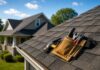

A roof leak might begin as nothing more than a small mark on the ceiling, but ignoring it can turn a minor roofing issue into a much bigger problem. Water can damage insulation, timber, ceilings and other parts of the property, while ongoing moisture can also create conditions where mould develops.
The longer a leak remains untreated, the more opportunity water has to spread into areas that aren’t immediately visible. This is why regular inspections, timely repairs and proper roof maintenance can make such a difference.
With the right approach, many common roofing problems can be identified before they develop into serious leaks.
A Quick Look at This Guide
- How a Small Roof Leak Can Become Expensive
- Common Problems That Let Water Through
- Roofing Repairs That Can Help Prevent Leaks
- Finding a Suitable Roofing Contractor
- Keeping Your Roof Protected Long Term
Why Ignoring a Small Leak Can Become Expensive
It’s easy to dismiss a small ceiling stain, particularly if the roof isn’t actively dripping. Unfortunately, water doesn’t always stay in one place after it enters a roof.
Moisture can travel along rafters, insulation and drywall before becoming visible inside the property. In some cases, the underlying problem can continue for weeks before the full extent of the damage becomes obvious.
For this reason, Kyko Roofing based in Phoenix recommends dealing with suspected roof damage as soon as possible.
The cost of roofing work can also increase when relatively small problems are allowed to develop into larger repairs. Fixr reported that spending on roof repairs and replacements was expected to reach $31 billion in 2024, representing a 30% increase compared with 2022 prices.
The simple lesson is that dealing with a leak early can help prevent a much more expensive repair later.
What Usually Causes Water to Enter a Roof?
Finding the source of a leak is the first step towards preventing further damage. Several roofing problems can allow water to make its way into a property.
Broken or Missing Shingles
Shingles can become damaged by strong winds, hail, age and general exposure to the weather. They may crack, curl, loosen or disappear completely.
Once a shingle is damaged, the protective layers underneath can become exposed to rain and moisture. This can create an easier route for water to reach the interior of the roof.
Problems With Roof Flashing
Flashing is used around areas where different parts of the roof meet, including chimneys, skylights, vents and wall connections.
If flashing becomes loose, develops rust or wasn’t fitted correctly in the first place, water can enter through these vulnerable joints. Flashing is therefore an area worth checking whenever a leak is suspected.
Gutters That Don’t Drain Properly
Blocked or overflowing gutters can cause rainwater to collect where it shouldn’t. When water backs up around the roof edge, it may find its way beneath shingles and into the roofing structure.
Keeping gutters clear is one of the simpler maintenance tasks homeowners can carry out to reduce the risk of water-related roof problems.
Deteriorating Caulking and Sealants
Sealant around vents, pipe collars and other roof penetrations can become dry and cracked with age.
Once the seal is damaged, rainwater can repeatedly enter through the same point. Replacing deteriorated sealant early can help prevent a small weakness from becoming a recurring leak.
Poor Roofing Installation
A roof that wasn’t installed correctly can have weaknesses from the beginning. Problems such as badly positioned shingles, missing underlayment or incorrectly fitted flashing can leave areas vulnerable to water.
These installation faults may not become obvious until heavy rain, strong winds or other severe weather exposes them.
Roofing Work That Can Help Keep Leaks Away
Preventing leaks isn’t always about carrying out major repairs. Regular maintenance and targeted roofing work can deal with many problems before they become serious.
Arrange Routine Roof Checks
Regular inspections give a professional the chance to spot problems before they develop into visible leaks.
A roofing specialist can check for loose shingles, damaged flashing, deteriorating sealant and drainage problems. Inspections should be carried out at least twice a year, particularly in spring and autumn, as well as after significant storms or severe weather.
According to the BBB, 40% of roofing complaints are connected directly to leaks. Early inspections can help identify issues that might otherwise remain hidden.
Repair Weak Flashing
Roof openings and joins need suitable flashing to keep water out. This includes areas around chimneys, skylights, roof valleys and points where the roof meets a wall.
A professional roofer can assess the flashing and determine whether it needs resealing or complete replacement. Flashing repairs need to be done correctly because poorly completed work can create additional points for water to enter.
Replace Damaged Shingles
A cracked, broken or missing shingle shouldn’t be left exposed for long. Depending on the extent of the problem, a roofing contractor may be able to replace individual shingles or a smaller affected section.
Using matching materials and the correct shingle profile helps the repair blend with the existing roof and provides better protection going forward.
Consider Waterproof Roof Coatings
Roof coatings can create an additional waterproof layer across the surface. They can be particularly useful on flat and low-slope roofs, where the coating may cover small cracks, seal joints and help protect the existing roofing material.
These systems can also be worth considering in locations that experience substantial rainfall or significant seasonal temperature changes.
Know When Repair Is No Longer Enough
Not every roof can be saved with another patch or minor repair.
A roof that is more than 20 years old, has widespread damage or has already undergone several unsuccessful repairs may be approaching the point where replacement makes more sense.
Continuing to delay replacement when a roof is failing can allow water damage to spread through the property. In some cases, replacing the roof can be a more practical long-term solution than repeatedly paying for temporary repairs.
Finding a Roofing Company You Can Rely On
The contractor you choose can have a direct effect on how well the repair performs.
There are more than 101,000 roofing contractor businesses in the US, so it’s worth doing some basic checks before hiring one.
Make sure the contractor is properly licensed and insured. Local experience can also be valuable because roofing professionals who regularly work in the area are familiar with the weather conditions and common roofing problems found there.
Before work begins, ask for a written estimate that clearly sets out the expected costs. It’s also sensible to ask about warranties covering both materials and labour.
Taking time to check these details can help you avoid having the same roofing problem repaired more than once.
Keeping Your Roof in Good Condition
Roof leaks rarely disappear on their own. Even a small problem can become considerably more expensive when water continues to enter the structure.
Regular maintenance, professional inspections and prompt repairs can help extend the useful life of a roof while reducing the likelihood of serious water damage.
A simple maintenance routine includes:
- Arrange professional roof inspections at least twice a year.
- Deal with damaged or missing shingles as soon as they’re noticed.
- Have faulty flashing repaired promptly.
- Keep gutters clear throughout the year.
- Consider waterproof coatings where they’re suitable, particularly for flat and low-slope roofs.
- Investigate any suspected leak without delay.
Spending a little time and money on preventative roof care can be far less costly than dealing with extensive water damage later.