Understanding Core Wastewater and Septic System Challenges
For homeowners in Indianapolis, understanding the intricacies of their septic system is paramount, especially when considering the local environmental factors. At the heart of a well-functioning septic system is the effluent filter, a critical component designed to protect the entire wastewater treatment process.
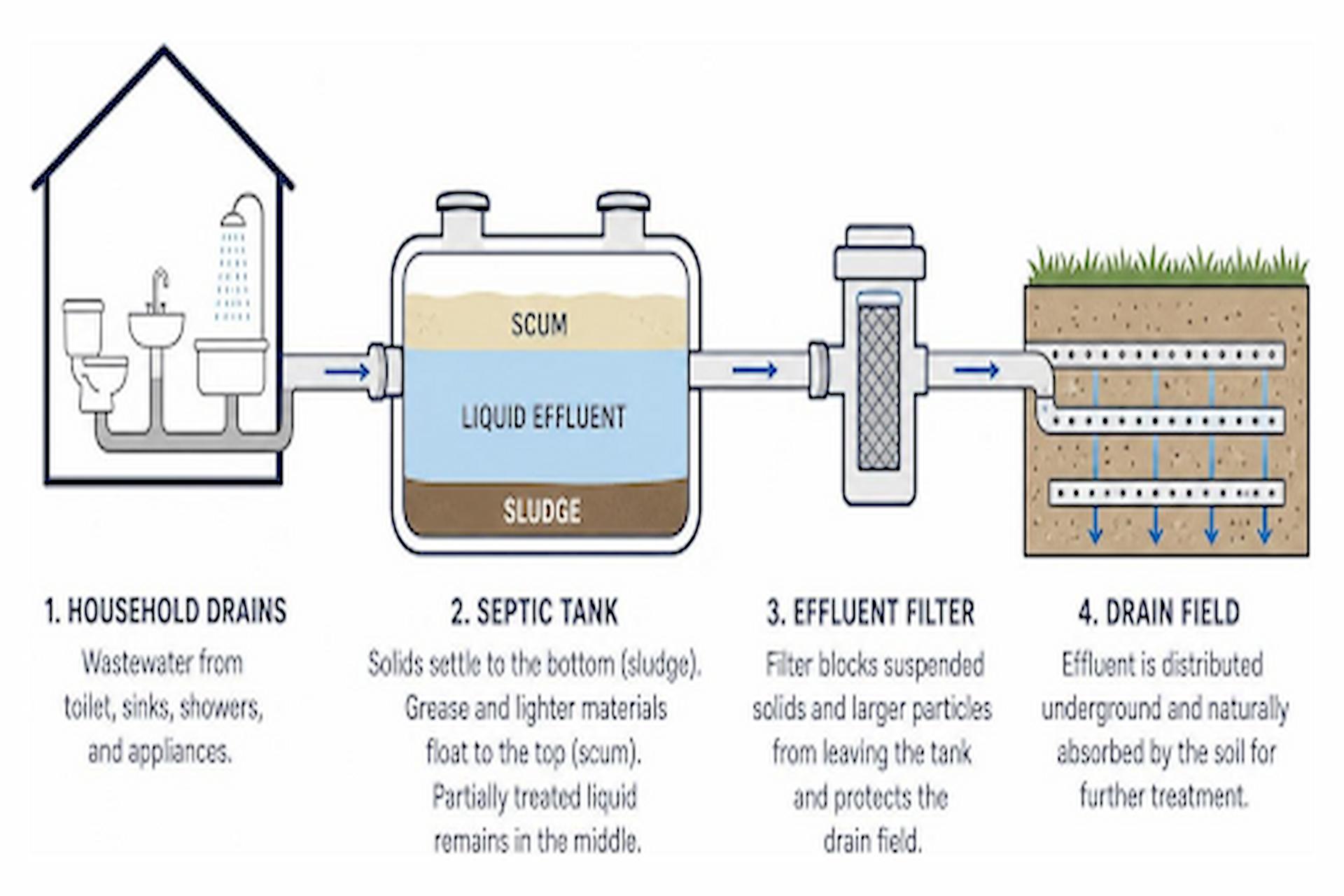
The journey of wastewater from our homes begins with plumbing systems that channel used water to the septic tank. Here, solids settle to the bottom, forming sludge, while lighter materials like grease float to the top, creating a scum layer. The liquid effluent, partially treated, then flows out of the tank towards the drain field. This is where the effluent filter plays its vital role. Positioned at the outlet of the septic tank, it acts as a gatekeeper, preventing suspended solids and larger particles from escaping into the drain field.
Indianapolis, like much of Central Indiana, is characterized by its clay soils. These dense soils can significantly impact how a septic system operates. Clay soils have poor percolation rates, meaning they don’t absorb water as quickly as sandy soils. This makes the drain field particularly vulnerable to clogging. When solids escape the septic tank due to a neglected or absent effluent filter, they accumulate in the drain field’s soil pores, leading to soil compaction and the formation of a dense, impermeable layer known as biomat. This biomat buildup chokes the drain field, preventing wastewater from being properly absorbed and treated, ultimately leading to system failure.
The consequences of a failing septic system extend beyond just property damage. According to research from Purdue University, a single failing septic system can allow more than 76,650 gallons of contaminated wastewater to enter local ground and surface water supplies in just one year. This highlights the critical importance of every component, especially the effluent filter, in maintaining not only our homes but also our environment.
The Role of Effluent Filters in Plumbing and Water Systems
Effluent filters are essentially screens that capture any remaining solid particles in the wastewater before it leaves the septic tank. They are typically located within the outlet tee baffle, which is the pipe that directs the treated liquid out of the tank. While not all older septic systems were originally equipped with these filters, modern codes often require them due to their proven effectiveness in extending system life and preventing costly drain field repairs.
There are generally two main types: gravity filters, used in systems where effluent flows naturally by gravity to the drain field, and pressure filters, found in systems that utilize a pump to push effluent to the drain field. Both types serve the same fundamental purpose: to be the last line of defense against solid waste entering the most expensive part of your septic system—the drain field. By capturing these solids, the filter ensures that only relatively clear liquid reaches the drain field, allowing the soil to effectively perform its final stage of natural filtration and treatment. Neglecting this simple component can lead to extensive and expensive repairs down the line, emphasizing why proactive and Expert Indianapolis septic care is a wise investment for any homeowner.
Signs of a Clogged Septic Filter
A clogged septic filter often manifests through a series of unmistakable warning signs that no homeowner should ignore. Recognizing these symptoms early can save you from a full-blown septic emergency.
One of the most common indicators is slow drains throughout your home. If sinks, showers, or toilets are draining sluggishly, even after attempts to clear individual clogs, it could point to a blockage further down the line, potentially at the septic filter. Similarly, gurgling pipes, particularly when water is draining, can signal that air is struggling to pass through a partially obstructed system.
Foul sewage odors, either emanating from drains inside the house or noticed around the septic tank area in your yard, are another strong red flag. These odors indicate that wastewater is not flowing properly and is backing up or stagnating within the system. Many modern septic systems are also equipped with septic alarms that will sound if the water level in the tank rises too high, often due to a clogged filter preventing effluent from exiting.
Finally, visible signs like pooling water or unusually lush, green patches of grass directly over the septic tank or drain field can indicate that the system is saturated and failing to absorb wastewater. These backup symptoms are often a direct result of a filter so clogged that it can no longer allow effluent to pass through, causing the tank to overflow. If you observe any of these signs, it’s crucial to address the issue promptly to prevent more severe and costly damage to your entire plumbing and water systems.
The Risks and Realities of DIY Septic Maintenance
While the idea of saving money by cleaning your septic filter yourself might be appealing, the realities and risks associated with DIY septic maintenance are significant. Working with septic systems involves exposure to hazardous materials and potential dangers that often outweigh the perceived savings.
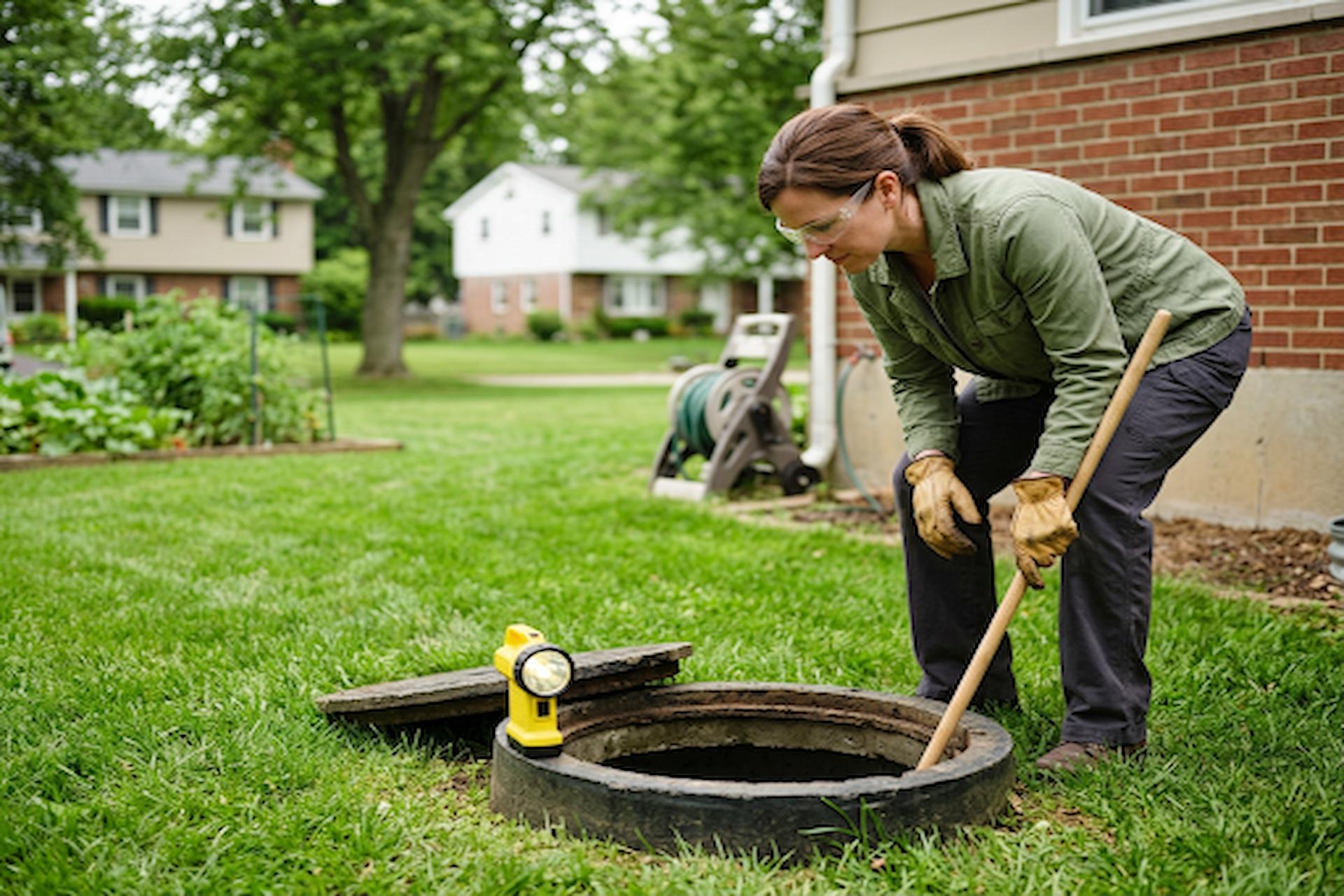
Firstly, there are serious safety concerns. Septic tanks contain harmful bacteria, viruses, and other pathogens that can cause severe illness upon contact. Exposure to raw sewage, even briefly, can lead to infections and other health problems. Moreover, septic tanks produce toxic fumes, including methane and hydrogen sulfide, which are colorless, odorless, and highly dangerous. Inhaling these sewer gases can cause dizziness, loss of consciousness, and even death. Proper ventilation and safety gear, including heavy-duty gloves, eye protection, and specialized respiratory masks, are essential, and often not readily available or properly used by homeowners.
Beyond personal health risks, there’s a significant potential for environmental contamination. Improper handling or disposal of septic waste can pollute groundwater, local streams, and soil, creating a public health hazard. There’s also the risk of property damage. An inexperienced hand might inadvertently damage the filter itself, the baffles within the tank, or the access risers, leading to more expensive repairs than a professional service would have cost. Using inappropriate cleaning methods, such as chemical additives or high-pressure washing directly on the filter, can also harm the delicate balance of bacteria in the tank or damage the filter material, exacerbating problems rather than solving them.
The Indiana Department of Health provides guidelines for septic system maintenance, underscoring the importance of proper procedures to protect both public health and the environment. Attempting DIY repairs without a thorough understanding of these guidelines and the system’s mechanics can lead to violations and further complications.
Why Professional Intervention is Essential for Plumbing and Water Systems
Given the inherent risks, professional intervention for septic filter cleaning and overall septic system maintenance is not just convenient; it’s often essential for the longevity and health of your home’s plumbing and water systems.
Professionals bring a level of expertise and specialized equipment that homeowners typically lack. They are trained to identify early signs of potential issues, such as hairline cracks in the tank, damaged baffles, or problems within the drain field, which might go unnoticed by an untrained eye. This early detection can prevent minor issues from escalating into catastrophic and costly system failures.
Certified technicians understand the nuances of various septic system designs and can perform the cleaning process safely and efficiently, minimizing exposure to hazardous materials. They have the right tools for proper disposal of any accumulated solids, adhering to environmental regulations and preventing contamination. Furthermore, professionals can conduct thorough system diagnostics, assessing the overall health of your septic system, including the functionality of the drain field and the balance of bacteria in the tank. They can advise on appropriate maintenance schedules tailored to your household’s water usage and local conditions.
By entrusting your septic filter cleaning and maintenance to professionals, you ensure that the job is done correctly, safely, and in compliance with all local regulations. This peace of mind, coupled with the protection of your property and the environment, makes professional service a wise investment for any homeowner.
Selecting a Professional Septic and Water Service Partner
Choosing the right professional for your septic and water system needs in Indianapolis is a critical decision that can impact your home’s functionality and your family’s health for years to come. It’s not just about finding someone to clean a filter; it’s about partnering with a team that understands the complexities of these essential home systems.
When evaluating potential service providers, start by looking for companies with proper licensing and certified technicians. This ensures that the individuals working on your property have met industry standards for knowledge, safety, and ethical practices. A reputable company will be transparent about their certifications and willing to provide them upon request.
Consider their service guarantees. Do they stand behind their work? A company that offers a guarantee demonstrates confidence in their services and commitment to customer satisfaction. Local expertise is another crucial factor, especially in Indianapolis. A provider familiar with Marion County’s specific clay-heavy soils, seasonal weather patterns, and local regulations will be better equipped to offer tailored advice and effective solutions.
Emergency availability is also a key consideration. Septic problems rarely happen at convenient times, so knowing that your chosen partner offers prompt emergency services can be invaluable. Finally, always seek transparent pricing. While we won’t discuss specific costs here, a professional company should provide clear estimates and explain all charges upfront, avoiding hidden fees.
Advanced Technology in Modern Septic and Well Services
The septic and well service industry has seen significant advancements in technology, moving beyond basic pumping and repairs to offer more sophisticated and environmentally friendly solutions. When selecting a service partner, it’s beneficial to inquire about their use of such advanced technologies.
For instance, some companies utilize specialized equipment like Mud Puppy mud recycling systems for clean drilling operations, particularly relevant for well services or new septic installations. This technology allows for the recycling of drilling fluids, significantly reducing waste and minimizing environmental impact.
Advanced diagnostics play a crucial role in modern septic care. Instead of guesswork, technicians can employ video inspections of drain fields and sewer lines to pinpoint blockages or damage with precision. This allows for targeted repairs, reducing excavation and disruption to your property.
Another innovative solution gaining traction, especially for failing drain fields, is pneumatic soil fracturing. This process, often referred to by brand names like EarthBuster, involves injecting compressed air into the soil to break up compaction and biomat buildup without extensive excavation. This rejuvenates the drain field, restoring its absorption capacity and extending its life, often at a fraction of the cost of a full drain field replacement. These technologies not only improve service quality but also demonstrate a commitment to efficiency, environmental protection, and cost-effective solutions for homeowners.
Your Local Central Indiana Provider: Blair & Norris Well and Pump Services
For homeowners in Indianapolis and across Central Indiana, navigating the complexities of septic system maintenance requires a partner who understands the unique local challenges. Blair & Norris Well and Pump Services stands out as a provider deeply rooted in the community, offering comprehensive solutions tailored to the specific conditions of our region.
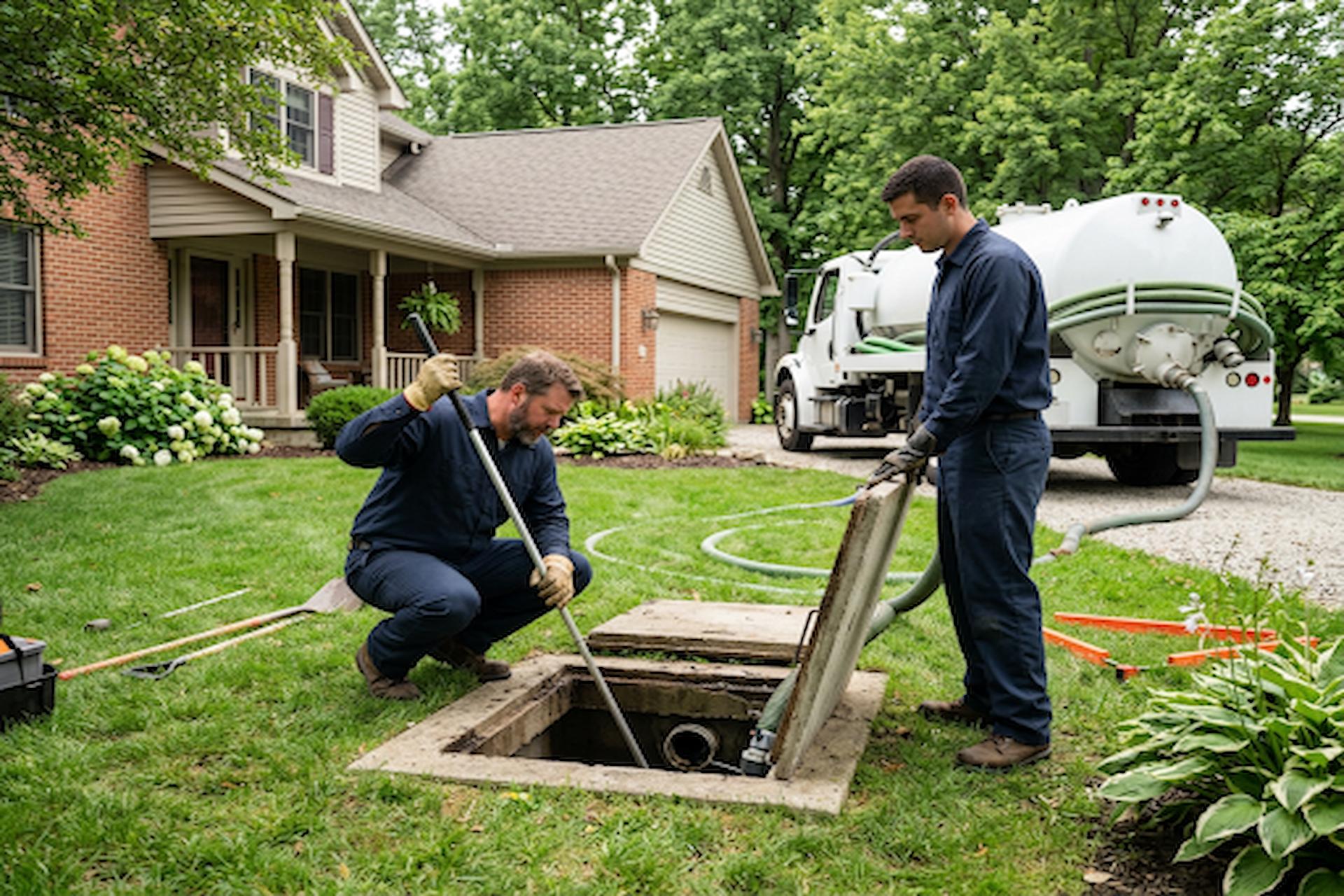
Our local expertise is particularly vital given Marion County’s prevalent clay-heavy soils. These soils, as discussed, are prone to compaction and can significantly impede drain field performance, especially during periods of heavy rainfall. We understand how seasonal weather patterns, from freezing winters to wet springs, impact septic system functionality and lifespan. This local knowledge allows us to provide preventative maintenance strategies that are genuinely effective for our climate and soil types.
We pride ourselves on our commitment to customer satisfaction, a sentiment reflected in our positive Google Reviews. Our team believes that consistent, preventative maintenance is the best defense against costly septic failures. We offer tailored advice and services, ensuring that your system receives the specific care it needs, integrating seamlessly with any local regulations or requirements for septic filter maintenance in Indianapolis or Marion County.
Comprehensive Solutions: Good, Better, and Best Maintenance Options
At Blair & Norris, we understand that every homeowner has different needs and budgets, which is why we offer a range of comprehensive maintenance solutions, from routine care to complete system overhauls.
Good: Our fundamental service includes routine septic filter cleaning and regular septic tank pumping. This is the bedrock of septic system health, preventing the most common issues like backups and early drain field clogging. Filters should be cleaned every 3 to 6 months, and tanks pumped every 3-5 years, depending on household size and water usage. This proactive approach significantly extends the life of your system.
Better: Beyond routine cleaning, we offer enhanced preventative maintenance programs that include annual inspections, advanced diagnostics, and proactive adjustments. This level of service ensures that potential issues are identified and addressed before they escalate, protecting your investment and providing greater peace of mind. During these inspections, we can also assess if your system would benefit from an effluent filter upgrade or installation if it currently lacks one.
Best: For systems showing signs of distress or those requiring significant intervention, we provide complete system rejuvenation services, utilizing cutting-edge technologies like EarthBuster. This non-invasive method addresses drain field failure by breaking up compacted soil and biomat, restoring the soil’s absorption capacity without the need for expensive and disruptive excavation. This comprehensive approach offers long-term protection, extending the lifespan of your entire septic system and preventing the need for full system replacement, which can cost upwards of $25,000. Choosing the “best” option is an investment in the ultimate health and longevity of your septic infrastructure.
Frequently Asked Questions about Plumbing and Water Systems
Homeowners often have many questions about their septic systems, especially concerning maintenance and the impact of local conditions. Here, we address some of the most common inquiries to help you better understand and care for your plumbing and water systems.
How often should a septic filter be cleaned in Indianapolis?
The recommended frequency for cleaning a septic filter in Indianapolis, as in many other areas, generally ranges from every 3 to 6 months. However, this can vary significantly based on several factors. Household size plays a major role; larger families typically generate more wastewater and solids, leading to faster filter accumulation. Similarly, higher water usage, frequent use of garbage disposals, or the discharge of certain water treatment devices (like water softeners) can accelerate clogging.
While professional septic tank pumping is typically recommended every 3 to 5 years, the effluent filter requires more frequent attention. We advise annual inspections at a minimum, with cleaning performed every 4–6 months, especially in high-usage households. Integrating filter cleaning with routine septic tank pumping is an efficient strategy, but standalone filter cleaning may be necessary between pumpings to prevent issues.
Can heavy rainfall cause septic and plumbing systems to back up?
Yes, heavy rainfall can absolutely cause septic and plumbing systems to back up, particularly in areas like Indianapolis with clay-heavy soils. When the ground becomes saturated from prolonged or intense rain, the water table rises, and the clay soils lose their ability to absorb additional liquid.
The drain field, which relies on the soil to absorb and filter treated wastewater, can become overwhelmed. If the soil around the drain field is already saturated, the effluent from the septic tank has nowhere to go. This can lead to a backup into the septic tank itself, and subsequently, into your home’s plumbing system. Surface runoff from heavy rains can also exacerbate the problem if it’s not properly diverted away from the septic system area. Effective drainage management around your property is crucial to mitigate this risk.
What is the average lifespan of a residential septic filter?
The average lifespan of a residential septic filter, typically a plastic cartridge, is generally between 10 to 15 years with proper maintenance. However, this can vary based on the quality of the filter, the type of system, and the consistency of its cleaning and maintenance.
Regular cleaning is the most critical factor in extending a filter’s life. A neglected filter that is constantly clogged will be under more stress, potentially leading to premature wear, tears, or damage to the filter material. While individual filter replacement costs are relatively low compared to other septic components, consistent neglect can lead to much higher replacement costs for the entire drain field, which the filter is designed to protect. During routine inspections, technicians will check the filter for signs of wear, damage, or brittleness, advising on replacement when necessary to ensure optimal system performance.
Conclusion
Maintaining a healthy septic system is a critical, aspect of homeownership in Indianapolis. The septic filter, though small, stands as a vital guardian against costly system failures and environmental contamination. By understanding its function, recognizing the signs of a clog, and committing to regular maintenance, homeowners can significantly extend the life of their entire septic infrastructure.
We’ve explored the unique challenges posed by Indianapolis’s clay soils and seasonal weather, emphasizing why proactive care is not just recommended but essential. While the allure of DIY might tempt some, the inherent risks to personal health, property, and the environment underscore the value of professional intervention. Expert septic service providers bring specialized knowledge, tools, and safety protocols, ensuring that your plumbing and water systems function flawlessly.
Prioritizing preventative care through routine filter cleaning, regular septic tank pumping, and comprehensive system inspections is an investment that pays dividends in system efficiency, longevity, and peace of mind. For those seeking reliable and thorough septic solutions in Central Indiana, connecting with a trusted local provider for estimates and service is the next crucial step. By taking these proactive measures, you safeguard your home, your health, and our local environment for years to come.