The Physics of Thin Air: How Elevation Dampens Cooling Performance
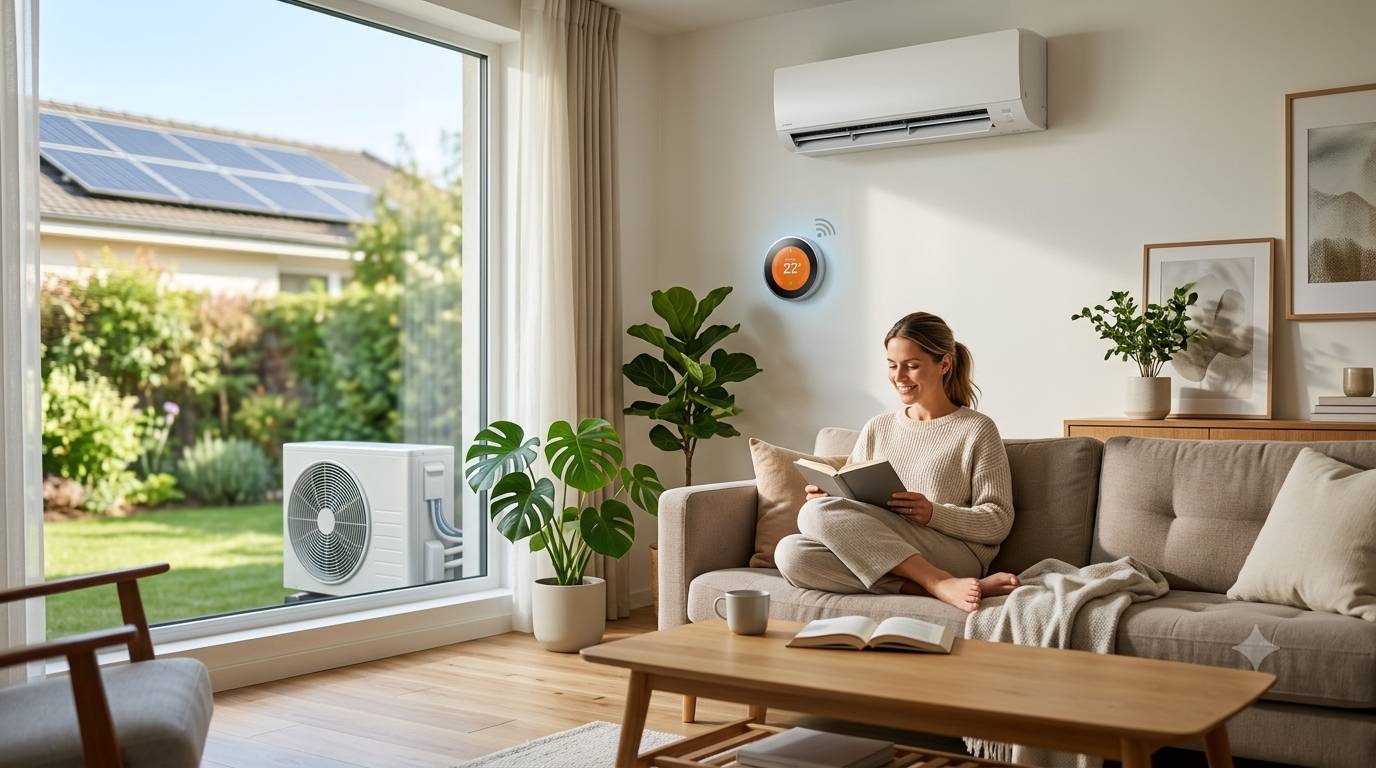
Living at higher elevations, such as in Northern Colorado, fundamentally alters the environment in which air conditioning systems operate. The most significant factor is the reduced atmospheric pressure, which directly leads to thinner air. This seemingly subtle change has profound implications for how effectively an AC unit can cool a home. At 5,280 feet in Denver, for instance, the air density is approximately 82.5% of what it is at sea level. This means that for every cubic foot, there are fewer air molecules available to transfer heat. We recognize that understanding this core principle is crucial for homeowners and HVAC professionals alike to properly address Northern Colorado residential cooling performance challenges in our unique climate.
The Impact of Reduced Air Density on Heat Transfer
The efficiency of an air conditioning system hinges on its ability to transfer heat. Inside your home, the evaporator coil absorbs heat from the indoor air. This heat is then carried by refrigerant to the outdoor condenser coil, where it’s released into the ambient air. In thinner air, the molecular spacing is greater, which reduces the thermal conductivity of the air. This means the outdoor condenser coil struggles to dissipate heat as effectively. The fan, designed to move a certain volume of air (CFM – cubic feet per minute), ends up moving less mass of air because the air itself is less dense. For example, a fan moving 90,000 pounds of air per hour at sea level will only move about 72,000 pounds per hour at 6,000 feet. This reduced mass flow rate directly translates to less heat being carried away from the condenser, forcing the compressor to work harder and longer. The system’s overall heat transfer efficiency diminishes, leading to reduced cooling capacity and increased strain on components. This is why a standard 3-ton AC unit might perform more like a 2.5-ton unit at high altitude, struggling to keep up during peak demand.
Why Standard Sea-Level Sizing Rules Fail Above 5,000 Feet
Many conventional AC sizing methods, such as the common ‘500 square feet per ton’ rule, are based on sea-level conditions. These rules, often applied without altitude corrections, consistently lead to undersized systems in Northern Colorado. The consequence is an AC unit that runs constantly, unable to reach or maintain the desired indoor temperature. This continuous operation, known as short cycling in some cases or simply extended runtimes, not only drives up energy bills but also puts immense stress on the compressor, accelerating wear and potentially leading to premature failure. Without sufficient airflow over the evaporator coil due to reduced air mass, there’s also an increased risk of coil freezing, which further impairs performance and can cause system shutdowns.
The industry standard, Manual J load calculation, is designed to be comprehensive, accounting for various factors like insulation, windows, and occupancy. However, if these calculations are performed without proper altitude adjustments for air density and the unique climatic conditions of Northern Colorado, they too can result in an inadequate system. For homes above 5,000 feet, neglecting these adjustments means the calculated cooling load will be underestimated, leading to the installation of equipment that is simply not powerful enough for the local environment. We’ve seen that properly altitude-adjusted AC systems meet comfort targets significantly more often than those using sea-level calculations, highlighting the critical need for specialized approaches in our region.
Strategic Sizing and Airflow Adjustments for High-Altitude Homes
Given the unique atmospheric conditions in Northern Colorado, a one-size-fits-all approach to AC sizing simply doesn’t work. To ensure optimal comfort and efficiency, we must implement strategic adjustments that account for the thinner air and its effects on cooling performance. This involves precise altitude derating factors, careful BTU adjustments, and optimizing airflow throughout the system.
Essential Sizing Calculations and BTU Adjustments
For homes situated above 5,000 feet, a significant adjustment to cooling capacity is required. General guidelines suggest adding 2-3% cooling capacity for every 1,000 feet above 4,000 feet elevation. This means a home in the Denver area (5,280 ft) typically requires about 10% more cooling capacity than a comparable home at sea level. For communities like Boulder or Fort Collins, which are often above 5,400 feet, this adjustment can increase to 12-15%. Mountain communities at 6,000 feet or higher might need 15-20% additional capacity.
These capacity correction factors are vital because they directly address the reduced heat transfer efficiency caused by thinner air. Furthermore, the sensible-to-latent heat ratio also shifts in Colorado’s dry climate. While latent heat (removing humidity) is less of a concern here compared to humid regions, the sensible heat (reducing air temperature) load is still substantial, often exacerbated by intense solar radiation and large diurnal temperature swings. Therefore, load calculations must prioritize sensible cooling and factor in these environmental specifics. Ignoring these adjustments can lead to an AC system that’s undersized by 15-25% for high-altitude conditions, resulting in poor performance and higher energy consumption.
Optimizing Airflow and Ductwork for Low-Density Air
One of the most critical,, aspects of high-altitude HVAC design is airflow. Because air is less dense at elevation, a standard blower fan set to move a specific volume of air (e.g., 400 CFM per ton) will move less mass of air. To deliver the same sensible cooling capacity, a higher actual CFM is needed. For example, a 10,000 Btuh sensible load that requires 463 CFM at sea level would need approximately 561 CFM at 5,200 feet. This increased CFM requirement impacts everything from fan selection to ductwork design.
To compensate, HVAC systems at altitude often require variable-speed ECM (Electronically Commutated Motor) blowers, which can adjust their speed to maintain consistent airflow despite changes in air density. These motors are more efficient and can handle the increased static pressure that might arise from pushing more air through existing ductwork. Speaking of ductwork, many homes in Colorado have systems designed for sea-level conditions, making them effectively undersized for altitude. This can lead to increased fan brake horsepower, higher energy consumption, and reduced comfort. We recommend evaluating and potentially modifying ductwork, including expanding return vents, to minimize friction loss and ensure adequate air circulation. Proper CFM calibration is essential to achieve the desired temperature drop and maintain consistent comfort throughout the home.
Navigating Efficiency Standards and Residential HVAC Upgrades
As of July 2026, navigating the landscape of residential HVAC upgrades in Northern Colorado involves not only addressing high-altitude challenges but also aligning with evolving efficiency standards. The 2025 SEER2 efficiency standards, for instance, set new benchmarks for energy performance, and understanding how these interact with high-altitude sizing is paramount for homeowners seeking both comfort and savings.
Aligning High-Altitude Sizing with SEER2 Compliance
The 2025 SEER2 efficiency standards represent a shift in how AC performance is measured, moving towards more real-world conditions. While the minimum SEER2 rating for Colorado is 13.4, many homeowners are aiming for higher ratings (17+ SEER2) to qualify for federal tax credits. When selecting equipment, it’s crucial to remember that the rated capacity of an AC unit is typically based on sea-level performance. At high altitude, this capacity is inherently reduced. Therefore, choosing a system with a higher SEER2 rating becomes even more critical to offset the altitude-related capacity loss.
Variable-speed technology plays a significant role here. These systems can modulate their output to precisely match the cooling load, which is particularly beneficial in Colorado’s climate with its large daily temperature swings. This adaptability allows them to maintain higher efficiency even when operating in thinner air, compensating for some of the performance degradation. Proper system matching – ensuring the indoor and outdoor units are compatible and sized correctly for the altitude – is key to achieving the advertised SEER2 efficiency and maximizing energy savings. Without these considerations, a high-SEER2 unit might still underperform if not adequately adjusted for elevation.
Selecting the Right Equipment for Arid, High-Elevation Climates
Beyond efficiency ratings, the choice of equipment type can significantly impact performance in Northern Colorado’s arid, high-elevation conditions. Two-stage compressors or fully variable-capacity systems are often recommended because they can operate at different levels, providing more consistent cooling and better dehumidification (even in a dry climate, some latent cooling is still beneficial).
Heat pumps, especially cold-climate models, are gaining popularity due to their ability to provide both heating and cooling efficiently. However, their performance at altitude also needs careful consideration, particularly concerning refrigerant pressure behavior. Refrigerants like R-32 are showing promising performance in low-pressure environments compared to older R-410A systems, which can experience more significant capacity loss at elevation.
While Colorado is known for its dry air, maintaining optimal indoor humidity (30-45%) is still important for comfort and health. Whole-home humidification systems can be a valuable addition, especially during the dry winter months, and can even make the home feel warmer, potentially reducing heating costs. Selecting equipment that is specifically designed or can be effectively adjusted for high-altitude operation is paramount for long-term comfort and energy efficiency.
Key Considerations for Planning Residential HVAC Upgrades
Embarking on residential HVAC upgrades in Northern Colorado requires a holistic approach that extends beyond just the cooling unit itself. The unique environmental factors of our high-altitude region demand careful consideration of the entire home as an integrated system. We emphasize that a successful upgrade hinges on understanding how your home interacts with its environment.
Assessing the Building Envelope and Solar Load
The building envelope – your home’s roof, walls, windows, and foundation – plays a critical role in its cooling (and heating) load. At high altitude, several factors intensify this impact:
- High-Altitude UV Radiation: Northern Colorado experiences significantly higher UV radiation due to its elevation and abundant sunshine. This can cause roof surfaces to heat up considerably, transferring more heat into the attic and living spaces. We recommend assessing attic insulation levels, with R-49 being a minimum and R-60 preferred for optimal thermal resistance.
- Low-E Windows: Upgrading to low-emissivity (low-E) windows can dramatically reduce solar heat gain, especially for south and west-facing windows that receive the most direct sunlight. This can cut cooling loads by 10-25%.
- Air Sealing: Thinner air means that even small leaks in the building envelope can lead to significant air infiltration, bringing in unconditioned air and increasing the cooling load. Comprehensive air sealing of cracks, gaps, and penetrations is crucial and can reduce cooling loads by 15-30%.
- Thermal Bridging: Areas where insulation is interrupted by structural elements (like studs) can act as “thermal bridges,” allowing heat to bypass insulation. Addressing these areas during renovations can improve overall thermal performance.
- Window Orientation: Understanding how your home’s windows are oriented relative to the sun is vital. East and west-facing windows can be major heat sources, and shading strategies (like awnings or landscaping) can complement window upgrades.
By optimizing the building envelope, you reduce the overall demand on your AC system, allowing it to operate more efficiently and effectively, even with the challenges of high altitude.
Long-Term Maintenance and Calibration Needs
Proper maintenance is always important for HVAC systems, but at high altitude, it becomes absolutely critical. The increased strain and unique operating conditions necessitate specialized care to ensure longevity and consistent performance.
- Refrigerant Charge Calibration: One of the most common issues we encounter is improperly charged AC systems. Refrigerant boiling and condensing points shift with lower atmospheric pressure. Technicians using sea-level pressure charts will inevitably mischarge systems at altitude, leading to reduced efficiency, increased compressor wear, and potential system failure. We strongly advise working with professionals who use altitude-adjusted pressure tables for accurate refrigerant charging.
- Condenser Coil Cleaning: Colorado’s dry, often dusty environment, coupled with seasonal cottonwood, can quickly clog outdoor condenser coils. This buildup acts as an insulating layer, preventing the coil from releasing heat effectively and forcing the compressor to work even harder. Regular, professional coil cleaning is essential to maintain heat transfer efficiency.
- Filter Replacement Frequency: Dust, pollen, and other airborne particulates are common in our environment. Filters should be checked monthly and replaced more frequently than manufacturer recommendations (e.g., every 30 days during peak seasons) to ensure adequate airflow and prevent strain on the blower motor.
- Annual System Check-ups: Beyond these specific tasks, annual preventative maintenance is crucial. This allows technicians to inspect all components, verify proper operation, and make any necessary adjustments to ensure your system is performing optimally for Northern Colorado’s unique conditions. This proactive approach can extend the lifespan of your equipment and prevent costly breakdowns.
Frequently Asked Questions About High-Altitude Cooling
We often hear similar questions from homeowners in Northern Colorado regarding their AC systems. Here, we address some of the most common concerns to provide clarity and practical advice.
How does high altitude affect my air conditioner’s cooling capacity?
At high altitudes, the air is thinner, meaning it has fewer oxygen molecules per cubic foot. This reduced air density directly impacts your AC’s cooling capacity in several ways. Firstly, the outdoor condenser coil relies on ambient air to dissipate the heat removed from your home. Thinner air is less effective at carrying this heat away, forcing the system to work harder. Secondly, the blower fan, while moving the same volume of air (CFM), moves less mass of air. Since heat transfer depends on the mass of air, the system becomes less efficient at moving heat. Studies show that AC systems can lose approximately 10-20% of their rated cooling capacity at elevations above 5,000 feet, depending on the specific altitude and unit. This means a unit rated for 3 tons at sea level might only deliver 2.5 tons of cooling in Denver.
Why does my AC run constantly on hot days in Northern Colorado?
Your AC running constantly, especially on peak demand days, is a common symptom of an undersized or improperly calibrated system for high-altitude conditions. Because of the reduced air density, your AC unit has to work harder and longer to achieve the same cooling effect as it would at sea level. If the system was sized using standard sea-level calculations without altitude corrections, its actual cooling output will be less than what your home needs. The unit continuously tries to reach the thermostat setting but struggles to overcome the heat load, leading to extended runtimes. This not only increases your energy bills but also puts significant strain on the compressor, potentially shortening the lifespan of your unit. Other factors like poor insulation, leaky ductwork, and intense solar gain can exacerbate this issue.
Can I just install a larger AC unit to compensate for the high altitude?
Simply installing a larger AC unit without proper calculation is a common mistake and can lead to more problems than it solves. While it might seem intuitive to “upsize” for altitude, an oversized system can lead to issues like:
- Short Cycling: The unit cools the home too quickly, then shuts off, only to turn on again shortly after. This short cycling is inefficient, wastes energy, and puts excessive wear and tear on the compressor.
- Poor Dehumidification: An oversized unit doesn’t run long enough to effectively remove humidity from the air. Even in Colorado’s dry climate, some latent cooling is necessary for comfort. Poor dehumidification can leave your home feeling clammy and less comfortable, even if the temperature is low.
- Uneven Cooling: Short cycling can result in hot and cold spots throughout your home, as the system doesn’t run long enough to distribute conditioned air evenly.
- Higher Energy Bills: Despite being larger, an oversized system often consumes more energy due to inefficient operation.
Instead of simply upsizing, we recommend a professional Manual J load calculation specifically adjusted for your home’s elevation, insulation, window orientation, and other unique factors. This ensures your system is “right-sized” – powerful enough to meet the cooling load at altitude without being excessively large.
Conclusion
Navigating the complexities of air conditioning in Northern Colorado’s high-altitude environment requires a specialized approach. We’ve explored how the fundamental physics of thinner air impacts everything from heat transfer efficiency to sizing calculations, often leading to underperforming systems if sea-level standards are applied. Understanding these challenges is the first step toward achieving genuine indoor comfort.
By embracing precise system calibration, accounting for altitude derating in Manual J calculations, optimizing airflow, and selecting high-efficiency equipment suited for arid climates, homeowners can ensure their AC systems deliver reliable performance. Investing in a properly sized and installed system, coupled with diligent maintenance tailored to high-altitude conditions, is not just about beating the summer heat; it’s about securing long-term reliability, maximizing energy efficiency, and enjoying consistent indoor comfort for years to come. We encourage you to partner with HVAC professionals who possess the expertise to navigate these unique conditions, ensuring your home remains a cool and comfortable sanctuary, even a mile above sea level.