

Table of Contents
- What Bowie Sellers Should Know About the Market
- A Realistic Home-Selling Timeline
- Step One: Review the Property’s Condition
- Step Two: Set a Practical Asking Price
- Step Three: Compare Selling Options
- Step Four: Gather Maryland Property Documents
- Step Five: Prepare, Market, and Review Offers
- Step Six: Prepare for Settlement
- Common Mistakes Bowie Sellers Should Avoid
- Frequently Asked Questions
- Final Thoughts
Selling a home in Bowie involves more than putting a sign in the yard. From established neighborhoods near Old Bowie to newer communities around Fairwood and Woodmore, each property has its own condition, buyer audience, and timing considerations. Homeowners who need a shorter path may compare their options with a Cash home buyer in Bowie, MD, while others may prefer a conventional listing process.
The best approach depends on your expected move date, repair budget, mortgage balance, and comfort with showings and negotiations. A clear plan can help you avoid rushed decisions, unexpected paperwork problems, and last-minute settlement delays.
What Bowie Sellers Should Know About the Market
Local conditions matter more than broad national headlines. In the three months ending June 2026, Bowie’s median sale price was reported at about $488,000, with homes spending a median of 33 days on the market. Those citywide figures are useful starting points, but a home’s results can differ sharply by price range, condition, school area, lot size, and proximity to commuter routes.
Days on market generally measure the time from listing to a sale contract, not the full period until ownership changes hands. “Days to pending” may refer to the time until a contract is accepted, while the complete listing-to-closing timeline also includes inspections, financing, title work, and settlement. For homeowners weighing alternatives, directmdcashbuyers.com is one option to review alongside traditional marketing, owner-led sales, and delayed-sale plans.
A Realistic Home-Selling Timeline
A Bowie home sale often moves through several connected stages. The schedule can be short or extended depending on the property’s readiness, buyer financing, contract terms, title status, and your move-out needs.
- Planning: Allow one to two weeks to define goals, review the home, consider selling methods, and estimate expenses.
- Preparation: Cleaning, repairs, paperwork, photography, and staging can take days or several weeks.
- Marketing and showings: This phase lasts until an acceptable offer is secured.
- Offer review: Take time to compare financing, contingencies, credits, and closing dates.
- Contract period: Inspections, appraisal, loan approval, title review, and negotiations occur here.
- Settlement: Final documents are signed, ownership is transferred, and proceeds are released according to the settlement terms.
Step One: Review the Property’s Condition
Start with visible and functional concerns. Check the roof, plumbing, electrical system, heating and cooling equipment, foundation, drainage, windows, and major appliances. Older Bowie homes may need attention in different areas than newer construction, particularly when prior updates were completed over many years.
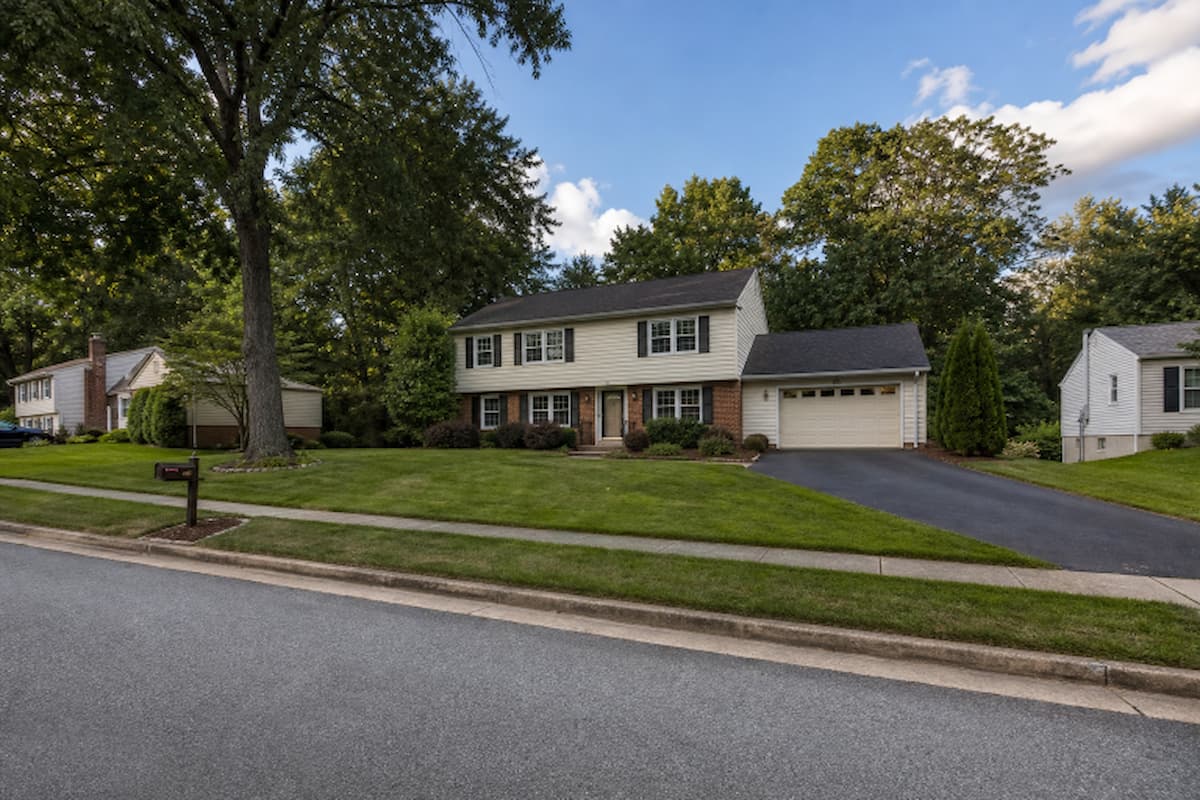
Simple Condition Checklist
- Look for leaks, water stains, mold, and poor drainage.
- Test smoke detectors, carbon monoxide detectors, appliances, and mechanical systems.
- Identify unfinished work, missing permits, or repairs that may be questioned during inspection.
- Separate urgent safety issues from cosmetic improvements.
- Compare the likely repair cost with the potential benefit to buyer confidence and marketability.
A pre-listing inspection is not necessary for every seller, but it can help uncover issues before a buyer does. Keep receipts, warranties, contractor invoices, and permit records for substantial work.
Step Two: Set a Practical Asking Price
Pricing should reflect recent nearby sales, active competition, square footage, layout, lot characteristics, updates, and the home’s present condition. Online estimates can be a useful reference, but they cannot fully account for a specific street, renovation quality, or deferred maintenance.
Review comparable properties with similar age, style, and location. Also, calculate likely selling expenses, repair credits, taxes, loan payoff amounts, and moving costs. If early feedback consistently points to a mismatch between price and condition, reassess quickly rather than relying on hope.
Step Three: Compare Selling Options
- Traditional listing: Can provide broad exposure, but it may require preparation, showings, negotiations, and a financing-based contract period.
- For-sale-by-owner: Gives the homeowner more direct control, while also placing marketing, pricing, paperwork, and negotiation responsibilities on the seller.
- Direct cash sale: May reduce repair demands and financing uncertainty, but the offer should be evaluated by expected net proceeds and contract terms.
- Rental or delayed sale: May work for owners who are not ready to move, though it adds maintenance, management, tenant, and financial considerations.
Step Four: Gather Maryland Property Documents
Organized records reduce avoidable delays. Sellers can use Maryland’s property information search to locate public property details by address, account identifier, or map reference.
- Deed, survey, title records, and mortgage payoff information
- Property tax records and homeowners association documents, if applicable
- Permits, warranties, and receipts for major improvements
- Lease records for rental property
- Estate, probate, divorce, lien, or co-owner paperwork when relevant
Step Five: Prepare, Market, and Review Offers
Declutter without stripping away useful character, improve curb appeal with basic yard maintenance, and use photographs that accurately show the home’s layout and condition. Schedule showings with Bowie traffic, work schedules, school routines, and household needs in mind.
When offers arrive, look beyond price. Compare proof of funds or preapproval, earnest money, inspection and appraisal terms, seller-credit requests, buyer cancellation rights, requested closing date, and any rent-back arrangement. A lower-priced offer with dependable financing and fewer obstacles can sometimes create less risk than the highest-priced offer.
Step Six: Prepare for Settlement
Before settlement, verify the closing statement, loan payoff, seller costs, tax adjustments, and transfer details. Maryland’s property information database maintains public real estate records, although title professionals and attorneys may be needed to resolve legal questions or title defects.
Confirm identification requirements, final walkthrough plans, key delivery, and how proceeds will be sent. Address liens, missing signatures, estate issues, or ownership discrepancies as early as possible.
Common Mistakes Bowie Sellers Should Avoid
- Pricing from personal attachment instead of current comparable evidence.
- Beginning repairs without a budget or a clear priority list.
- Ignoring old liens, probate issues, or ownership errors until closing approaches.
- Selecting an offer based only on purchase price.
- Waiting too long to plan packing, storage, or temporary housing.
- Failing to retain copies of disclosures, offers, repairs, and settlement records.
Frequently Asked Questions
How long does it take to sell a house in Bowie?
The timing depends on price, condition, demand, buyer financing, and selling method. Finding a buyer and completing settlement are separate stages, so the full timeline is usually longer than the marketing period alone.
Should a seller repair everything before listing?
Focus first on safety concerns, major defects, and highly visible issues. Not every cosmetic project produces a worthwhile return, especially if buyers are likely to personalize the home after purchase.
Is a cash offer always better?
Not automatically. Consider the expected net amount, repair expectations, closing costs, contract protections, certainty of closing, and the timeline that best supports your move.
Final Thoughts
A smoother Bowie home sale begins with preparation. Review the property honestly, price it using relevant local comparisons, organize documents early, and evaluate every offer as a full package. Market conditions may shift during 2026, but careful planning remains valuable in every Bowie neighborhood.