

Best Ways to Store and Protect Important Business Documents
Important business documents contain the information that keeps an organization operating smoothly, from contracts and financial records to employee files, tax documents, licenses, and intellectual property. Storing these records securely is essential to protect sensitive data, meet legal and regulatory requirements, and keep critical information accessible when needed. Businesses must consider both physical document storage and digital document management solutions, including secure filing cabinets, cloud storage, encrypted drives and reliable backup systems. A well-planned records management strategy reduces the risk of document loss, theft, unauthorized access and accidental damage. This article explores practical ways to store important business documents while improving data security, regulatory compliance, disaster recovery and everyday operational efficiency.
Although many of us store our information digitally, if you work in an office or run your own company, then you’re bound to have vast amounts of paper to organize. Storing these documents safely will not only protect them from damage, but also give you peace of mind and help you find them quickly. Being more organized will also save you time and enable you to work more productively.
If it feels like paper files and archive boxes are taking over your office, it’s time to think about a new storage solution for your documents. Here are three of the safest, most efficient ways to store your business documents.
Use Ring Binders

Ring binders are an effective way to store your business papers as they keep them protected and are easy to stack or line up on a shelf. You can choose from PVC ring binders, slipcases and tab dividers depending on the volume of documents you want to store.
Instead of buying huge quantities of bland ring binders, consider creating a branded folder you can also use to present information to clients. Various online services, such as the ones offered at Good Printing Shop, can handle bulk orders. Not only will professional folders allow you to remain more organized, but it will also make the right impression when you’re carrying them to client meetings and presenting them at tradeshows.
Use a Safety Deposit Box

Another option for storing valuable business documents is to invest in a safe deposit box; you may even be able to get one at a discount from your bank. A safety deposit box is ideal for storing original documents that you don’t want to lose or damage. You may also want to keep copies of these papers to keep at home or in your office, in case you need them at a moment’s notice. Consider buying a smaller, lockable box for these items and keeping it in your car so you always have them on hand if you need them.
Use a Storage Facility
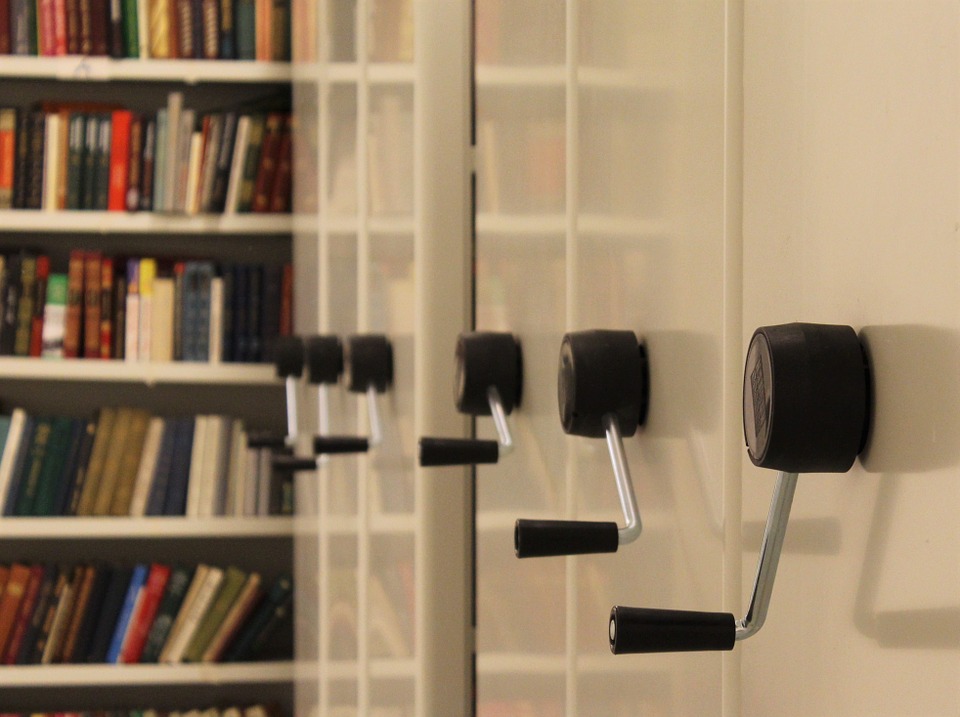
If you can’t move for the mounds of paperwork in your office, it’s worth thinking about outsourcing a storage facility for your documents. Climate-controlled storage units are usually recommended for paper documents as they are specially designed to prevent items from getting damaged by extreme weather or humidity. If your documents are particularly sensitive or confidential, choose a storage facility with built-in security features such as keypad entry or video surveillance. You will also need to store your documents properly in archive boxes and plastic folders, and don’t forget to shred anything you don’t want to keep.
Consider Minimizing Your Office Paperwork
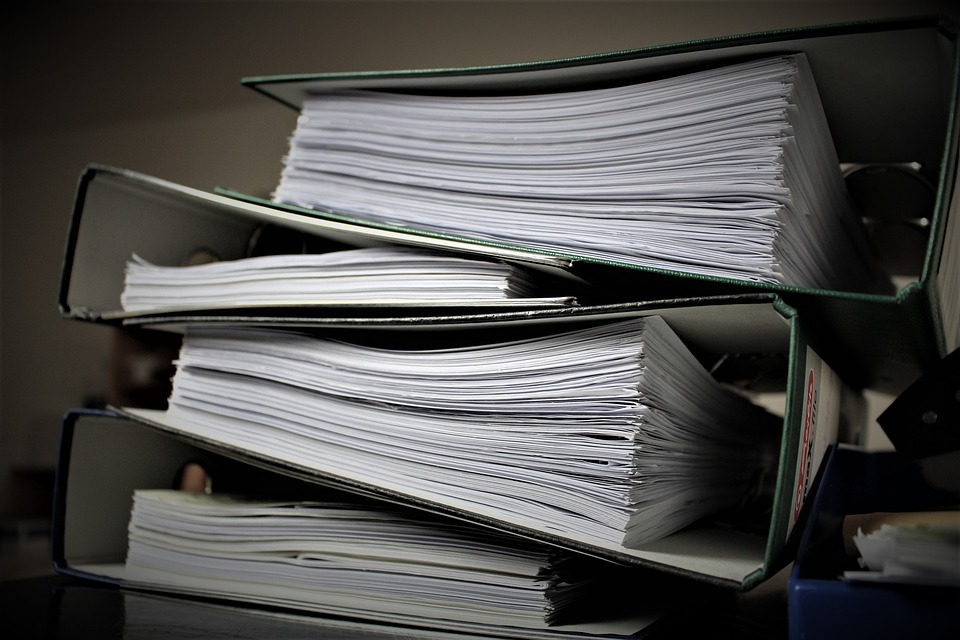
There are numerous ways to stay more organized in the office. You may decide to use a mixture of ideas, especially if you’re particularly overrun with files and documents, but if all else fails, you may wish to consider minimizing your office paperwork and working electronically instead.
FAQS
What is the best way to store important business documents?
The best way to store important business documents is to combine secure digital storage with protected physical filing. Keep electronic records in encrypted cloud storage with access controls and backups, and store original contracts, certificates, and legal documents in locked, fire-resistant cabinets or secure off-site archives.
Which business documents should be stored securely?
Businesses should securely store financial statements, tax records, contracts, employee files, insurance policies, licenses, intellectual property documents, and customer information. These records may contain confidential, commercially sensitive or legally required information, making secure document storage essential for data protection, regulatory compliance and efficient business operations.
Is cloud storage safe for confidential business documents?
Cloud storage can be safe for confidential business documents when the provider offers encryption, multi-factor authentication, access permissions and regular data backups. Businesses should select a reputable cloud document management platform, restrict access according to employee roles and periodically review account activity to prevent unauthorized access or accidental data exposure.
How long should a business keep important documents?
The required document retention period depends on the record type, industry and applicable tax, employment and data protection laws. Many financial and tax documents must be retained for several years, while company formation records, property deeds and intellectual property documents may need permanent storage. Businesses should maintain a formal document retention policy.
How can businesses protect documents from fire, theft or flooding?
Businesses can protect documents from physical damage by using fire-resistant and waterproof filing cabinets, secure storage rooms and professional off-site document archives. Important records should also be scanned and stored as encrypted digital copies in a separate location, providing a reliable backup if original documents are destroyed, stolen or damaged.
Should business documents be stored digitally or physically?
Store business documents digitally when fast access, collaboration, and backup protection are priorities, but keep certain original legal records in physical form. A hybrid document storage system provides the strongest protection by combining secure paper archives with encrypted digital copies, controlled access and automated cloud backups.
How should old or unwanted business documents be destroyed?
Old business documents should be destroyed securely once their required retention period has expired and no legal hold applies. Confidential paper records should be cross-cut shredded or handled by a certified document destruction service, while digital files should be permanently erased from devices, cloud accounts, shared folders and backup systems.
Final Words
Choosing the right way to store important business documents is vital to effective records management and long-term business protection. Organize physical records in secure, fire-resistant storage, and protect digital files with encryption, access controls, cloud backups, and strong cybersecurity measures. A combination of on-site storage, off-site document archiving, and secure cloud document management can provide greater flexibility and reduce the risk of permanent data loss. Businesses should also establish clear document retention policies, conduct regular backups and securely destroy records that are no longer required. A reliable business document storage system not only protects confidential information but also supports regulatory compliance, faster document retrieval, business continuity, and more efficient daily operations.




it’s very important to manage papers, because almost our all office work done is on papers. .Very informative article.
Great Work Collection Austin. The way you describe about this crucial business task is awesome.
This is a great article for presenting the basics, foundations, and mindset for setting up and effective document hierarchy.