Key Takeaways
- Regular maintenance and observation are crucial for koi pond health.
- Proper filtration, balanced feeding, and effective water quality management can help prevent common pond issues.
- Seasonal adjustments are necessary to account for weather fluctuations and environmental shifts.
Maintaining a koi pond is an enriching experience, transforming any outdoor space into a tranquil retreat teeming with vibrant life. Yet, achieving and maintaining clear water and healthy fish requires year-round commitment and informed care. Whether you’re a novice pond owner or a seasoned enthusiast, understanding how often it should be cleaned and following best practices are essential for your pond’s long-term health and thriving.
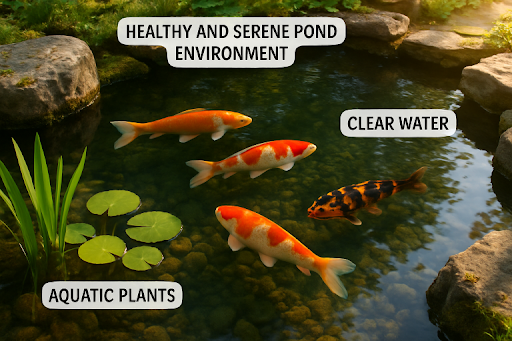
Beautiful koi, crystal-clear water, and lush aquatic plants are all within reach when you prioritize routine upkeep. Cleanliness not only enhances the beauty of your pond but also directly impacts the health and longevity of your fish. By adopting a proactive approach and customizing your maintenance routine to the seasons, you ensure your pond remains a source of joy and serenity year-round.
Skipping regular care can cause imbalances—cloudy water, overgrown algae, and stressed or sick koi are all signs a pond needs attention. Knowing what steps to take and when will help prevent problems before they occur. This guide covers every aspect from myth-busting filtration tips to the details of seasonal transitions, empowering you to create a thriving aquatic ecosystem.
Consistent observation of your pond, coupled with a strategic cleaning and maintenance plan, is the foundation of successful koi keeping. A little effort every week makes a significant difference—let’s explore the critical steps for keeping your koi pond clean and healthy throughout the year.
1. Install a Quality Filtration System
A powerful filtration system is pivotal in maintaining a pristine koi pond. Two key types work in tandem: mechanical and biological. Mechanical filters trap visible debris—like fallen leaves and excess food—before they have a chance to break down. Clean mechanical filters weekly to prevent blockages. Biological filters, on the other hand, use colonies of beneficial bacteria to break down toxic ammonia and nitrites from koi waste into less harmful compounds. Monitoring your filter media and keeping it free from sludge helps support healthy bacteria and maintain optimal water conditions. For a deeper guide on choosing and maintaining filters, visit this Angi resource. Proper filtration not only keeps the water clear but also stabilizes water chemistry, reducing stress and disease risk for your koi. Investing time in regular filter maintenance ensures a balanced ecosystem where koi can thrive throughout the year.
2. Perform Regular Water Changes
Fresh water is essential for koi health and water clarity. Regularly changing 10–15% of the pond’s volume each week dilutes accumulated toxins, removes organic buildup, and replenishes vital minerals. Tap water often contains chlorine and chloramine, so always use a dechlorinator before adding it to your pond. These changes help reset the ecosystem and support both fish and plant life.
3. Manage Algae Growth
Unchecked algae can quickly turn a clear pond murky green. To manage algae naturally, introduce floating and submerged aquatic plants such as water lilies, hornwort, or anacharis. These plants shade the water, compete with algae for nutrients, and create a stable environment. Position your pond to get a few hours of direct sunlight rather than full-day exposure, or provide partial coverage with floating plants or shade cloths. Additionally, regularly adding beneficial bacteria reduces the nutrients that fuel algae blooms. A natural balance is not only visually appealing but healthier for koi. For more tips on tackling algae, see this helpful article from LawnStarter. Consistent maintenance, including the removal of decaying plant matter and excess debris, further limits algae growth over time. When algae is kept under control, koi enjoy clearer water, better oxygen levels, and a less stressful living environment.
4. Feed Koi Appropriately
What you feed your koi—and how much—plays a direct role in water quality and fish health. Overfeeding is a common mistake: excess food decays, releasing harmful chemicals and triggering the growth of algae. Feed your koi only what they can eat in five minutes, once or twice per day, adjusting portions according to the season and water temperature (as fish eat less in cool water and more during warm periods). Remove any uneaten food promptly. Proper nutrition supports koi’s immune systems and vibrant coloration while minimizing filter load.
5. Remove Debris Promptly
Leaves, seed pods, twigs, and other debris can quickly accumulate, especially during autumn. As these materials sink and decompose, they release nutrients that fuel the growth of algae and harbor pathogens. Net out debris regularly, and consider installing a pond skimmer to collect floating matter before it sinks to the bottom. Trimming back overhanging branches and using a pond net during leaf fall can also reduce daily cleaning time and help minimize organic buildup.
6. Monitor Water Quality
Routine water testing is one of the most critical aspects of koi pond management. Specialized test kits make it easy to check critical parameters—pH, ammonia, nitrites, and nitrates—at least once weekly. Safe water quality means stable readings, with a pH between 7.0 and 8.5, ammonia and nitrites near zero, and nitrates below 40 ppm. Tracking these helps you spot trends and catch problems early. Log your results to understand your pond’s unique cycles and make more informed adjustments as needed.
7. Prepare for Seasonal Changes
Koi pond care adapts with the seasons. In spring, increase feeding as your koi become more active, and conduct a thorough cleaning to restart the ecosystem after winter dormancy. During summer, heightened temperatures demand more aeration—add air stones or check your waterfall or fountain systems to maintain oxygen levels. In the autumn, remove leaves promptly and consider netting your pond before fall winds and rains arrive. In winter, prevent the pond’s surface from freezing completely using a floating de-icer or pond heater to maintain a small open area for gas exchange, especially in colder climates.
8. Schedule Annual Deep Cleaning
Even with diligent weekly care, a pond benefits from an annual deep clean to remove accumulated sludge and reset the ecosystem. Safely transfer your koi to a temporary holding tank with aerated, pond-temperature water. Drain the pond, scrub any algae or muck from the liner, and thoroughly clean all filter materials. Inspect and repair or replace any worn equipment or cracked liners. Refill and recondition the water before reacclimating your fish. This process revitalizes your pond, promoting the robust health of both plants and fish for the coming year.
By following these steps and maintaining a routine, your koi pond will remain a beautiful, healthy haven for your fish and a standout feature in your yard. Invest in consistent care, and you’ll enjoy crystal-clear water, lively koi, and the soothing sounds of nature for years to come.