Key Takeaways
- Utility carts enhance workflow efficiency by simplifying the transport of tools and materials.
- They contribute to a safer work environment by reducing manual lifting and organizing workspaces.
- Regular maintenance of utility carts ensures their longevity and optimal performance.
Table of Contents
- Enhancing Workflow Efficiency
- Fostering a Safer Work Environment
- Maintaining Utility Carts for Longevity
- Customization and Innovation in Utility Carts
- Ergonomics and Sustainability
- Conclusion
Utility carts are redefining how modern workspaces function, offering unmatched versatility for moving supplies, keeping work areas organized, and improving workflow efficiency. Whether in manufacturing plants, warehouses, healthcare facilities, or offices, these carts add significant value and help teams meet demanding productivity goals with ease. For companies seeking a tailored solution, a custom utility cart can be designed to meet specific operational requirements, enabling optimization of organization and mobility for any unique environment.
Utility carts go beyond simple transport, keeping essentials within reach, reducing walking, and promoting order and safety. They support work and strategy, especially when wisely selected and maintained. Modern carts can be customized with add-ons and smart features, adapting to evolving workplace needs and advancing automation.
Enhancing Workflow Efficiency
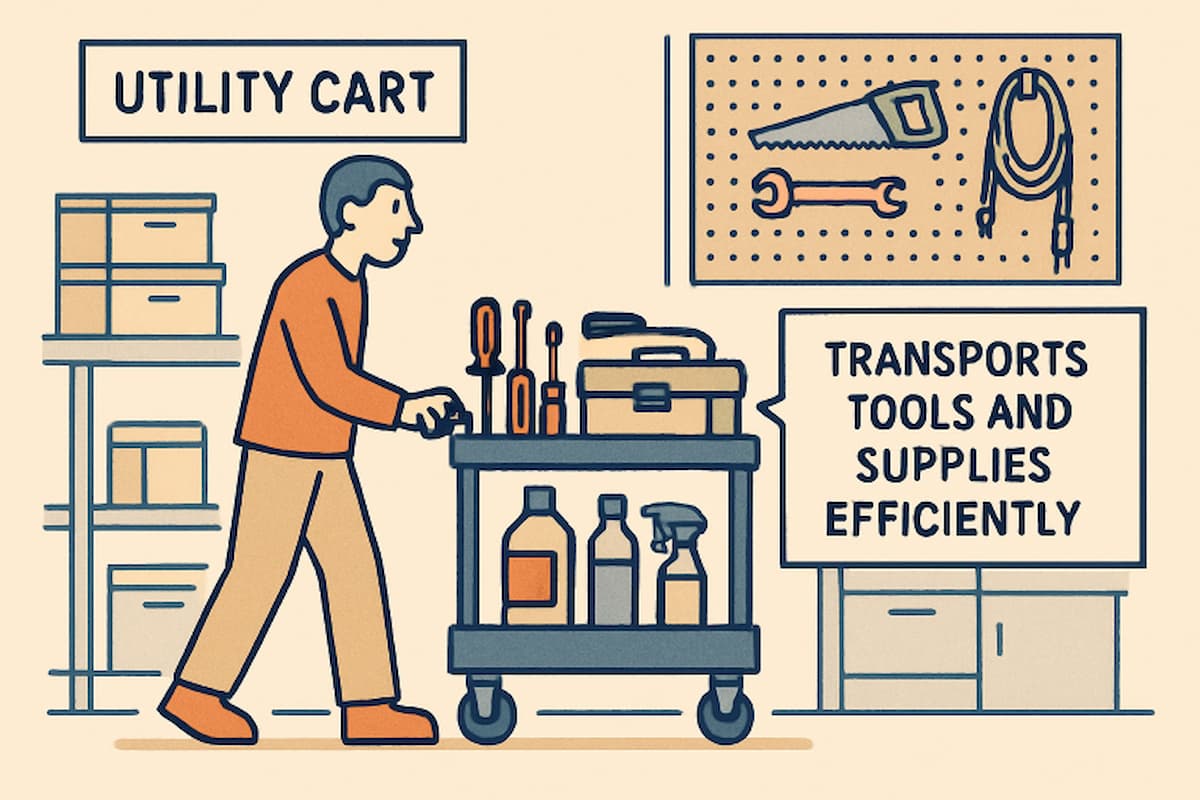
One of the main advantages of utility carts is the streamlining of daily operations. By efficiently transporting materials and tools throughout a facility, utility carts reduce the time and effort required for manual handling. They serve as mobile storage, facilitating quick access to inventory and tools where they are needed most and eliminating unnecessary back-and-forth trips. This not only speeds up the completion of routine tasks such as order picking, assembly line support, and inventory restocking but also helps maintain steady workflow momentum. The ability to quickly reposition carts enables workers to adapt to changing priorities instantly, which is crucial in dynamic environments such as manufacturing and healthcare.
Fostering a Safer Work Environment
Workplace injuries, particularly those involving heavy lifting or overexertion, are a significant concern in many industries. Utility carts help mitigate these risks by reducing employees’ physical burden. When properly loaded and used as intended, these carts minimize the strain that can lead to musculoskeletal injuries. Additionally, by creating clearly defined spaces for equipment and supplies, utility carts help keep aisles and work areas free from clutter, making it easier to navigate and reducing tripping hazards. These improvements to workplace safety align with guidelines from organizations such as the Occupational Safety and Health Administration (OSHA), promoting a culture of prevention and employee well-being.
Maintaining Utility Carts for Longevity
Proper care and routine maintenance are key to ensuring that utility carts deliver consistent value over time. Simple practices such as inspecting wheels for smooth rolling, tightening loose hardware, and replacing damaged shelves or baskets can significantly extend the service life of these carts. Lubricating moving parts helps prevent wear and tear, while regular cleaning prevents build-up that can impede functionality. Proactive maintenance reduces downtime and avoids the costs associated with premature replacement—a practice recommended by industry experts in publications such as Safety+Health magazine.
Customization and Innovation in Utility Carts
The newest generation of utility carts can be customized to fit virtually any application. From adjustable dividers and modular trays to built-in charging stations and power strips, custom options help organizations increase operational precision while maximizing available space. The integration of smart technology is also making a mark, with many carts now featuring RFID, GPS, and IoT sensors that provide real-time information on cart location, status, and usage patterns. This data can be leveraged for inventory management, security, and predictive maintenance. Companies that innovate with these solutions report noticeable improvements in efficiency and loss prevention, according to Forbes.
Ergonomics and Sustainability
Thoughtful ergonomic design improves user comfort and reduces the likelihood of strain-related injuries. Features such as adjustable handles, padded grips, and easily maneuverable wheels make carts safer and more user-friendly. Sustainability is another growing priority: many manufacturers are turning to recycled materials and eco-friendly processes to produce carts that reduce environmental impact. Combining ergonomic and sustainable principles not only supports employee health but also aligns with corporate social responsibility goals and green workplace initiatives, as BuildingGreen highlights.
Conclusion
Utility carts are essential tools in today’s workspaces. Their role in boosting efficiency, promoting safety, and providing organizational flexibility cannot be overstated. With regular care, thoughtful customization, and innovative features, utility carts support sustainable and productive work environments across many industries. Their continued evolution ensures they remain aligned with the demands of modern workplaces and the well-being of their users.