Key Takeaways
- Asphalt shingles are cost-effective and easy to install, but may need to be replaced sooner.
- Metal roofing provides durability, energy savings, and environmental responsibility.
- Synthetic options combine the looks of natural materials with enhanced strength and longevity.
- Clay and concrete tiles excel in hotter climates, thanks to their thermal resistance.
- Slate offers sophistication and incredible durability, but comes with higher initial costs.
Choosing the ideal roofing material for your modern home is one of the most significant decisions you will make, balancing aesthetic appeal and functionality. Modern homes stand out with clean lines and contemporary styles. Still, the roof is just as vital to long-term comfort and energy efficiency as any other architectural element in your house. As you consider your options, understanding the wide range of types of roofing materials available is key to making a smart investment for your property.
Factors such as climate, budget, maintenance needs, and visual impact all play an important role in the selection process. Homeowners today can choose from traditional materials like asphalt and slate, as well as innovative synthetic options engineered to mimic their natural counterparts with reduced drawbacks. Each material has unique advantages and disadvantages, so a thoughtful approach will help you determine which type best aligns with your needs and style.
Contemporary roofing solutions have also expanded to offer more sustainable, energy-efficient options, which are increasingly important for modern lifestyles. With so many materials on the market, it’s important to look beyond appearance and consider longevity, resistance to environmental stresses, and ongoing costs.
Ultimately, working with a reputable contractor and exploring testimonials or case studies can provide valuable insight into long-term performance. Further details on how the right roofing materials impact energy efficiency and home value can be found at Architecture Art Designs.
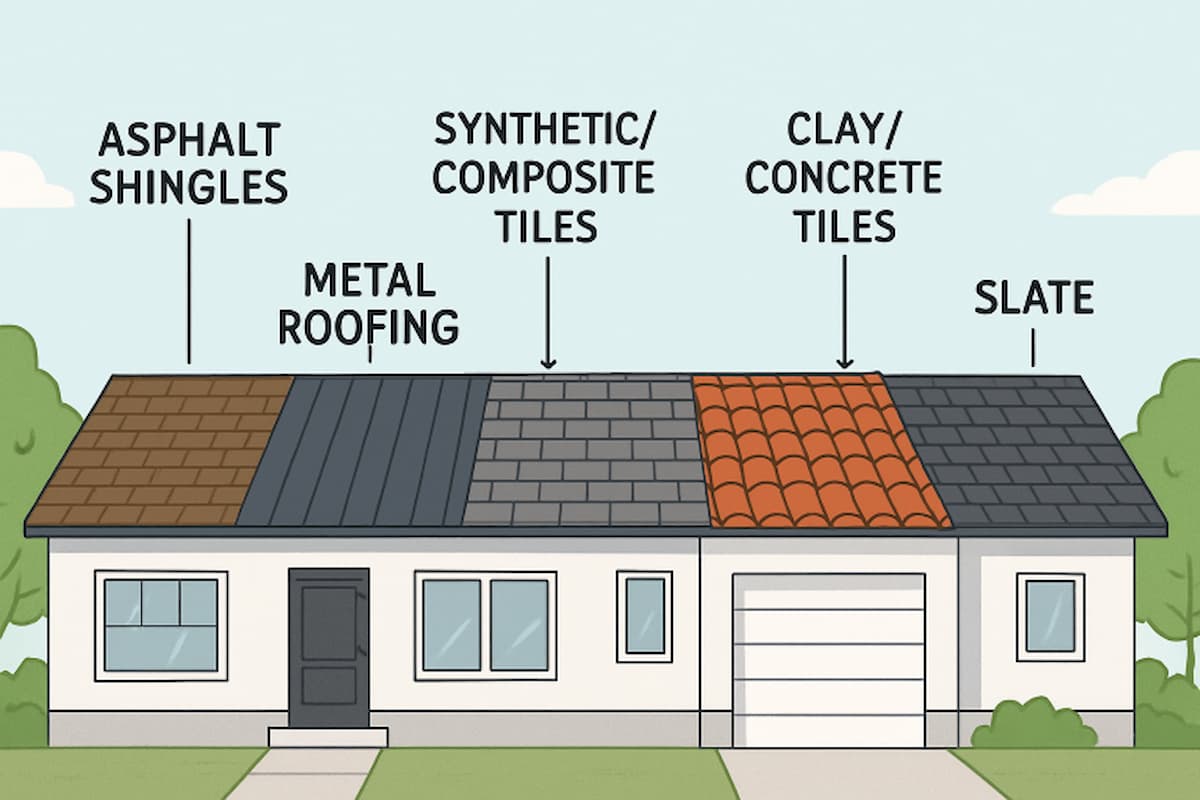 Asphalt Shingles: Affordable and Versatile
Asphalt shingles are the most popular roofing material used in North America, largely because of their budget-friendly cost and adaptability. With an array of colors and profile styles, they complement many modern home designs. Installation is relatively simple and fast, which keeps both labor and material costs low.
Typically, asphalt shingles last from 15 to 30 years, depending on the grade and ongoing maintenance. However, they are more susceptible to extreme weather events compared to other materials. Wind and hail can damage or dislodge shingles, reducing the expected lifespan. Routine inspections and prompt repairs are necessary to maintain their performance.
Metal Roofing: Durable and Energy-Efficient
Metal roofing is renowned for its longevity, energy efficiency, and eco-friendliness. Materials like steel, aluminum, and copper provide rust resistance and fire protection and can last 40 to 70 years with proper care. One of the most compelling reasons to choose metal for a modern home is its ability to reflect solar heat, keeping interiors cooler and lowering air conditioning costs in warm climates.
Although the initial investment in a metal roof is higher, reduced energy bills and lower maintenance requirements can offset these costs over time. Modern pigment technologies allow a range of attractive finishes and colors that won’t fade quickly. Noise during heavy rain and the potential for hail-denting are considerations, but advances in manufacturing have addressed many earlier concerns.
Synthetic and Composite Materials: The Best of Both Worlds
Synthetic and composite roofing materials have surged in popularity thanks to their versatility and resilience. Crafted from advanced polymers, recycled plastics, and resins, these materials are engineered to replicate the appearance of slate, wood shake, or clay tiles while minimizing their traditional weaknesses. They are much lighter than their natural counterparts, making them suitable for most standard roof structures.
Synthetics resist impacts, fading, and ultraviolet damage, ensuring a consistent appearance for decades with minimal maintenance. These roofs often carry extended warranties and are available in a variety of textures and colors. For a deeper look at current trends and innovations in residential roofing, see the guide at Architecture Art Designs.
Clay and Concrete Tiles: Timeless and Heat-Resistant
Clay and concrete roof tiles offer unmatched durability in hot and sunny environments. Their density and thermal mass help block heat from penetrating into living spaces, resulting in cooler indoor temperatures and reduced cooling costs. Tile roofing is also fire-resistant and has a life expectancy of 50 to more than 100 years.
While stunning in appearance, especially on homes inspired by Mediterranean or Spanish architecture, tiles are heavy and usually require a reinforced support structure. Installation and repair costs are generally higher than with lighter alternatives, but the longevity and classic style are well worth the investment for many homeowners.
Slate Roofing: Elegant and Long-Lasting
Slate stands as the gold standard for luxury roofing, offering remarkable longevity and a sophisticated, naturally textured appearance. With proper installation, a slate roof can last 75 to 125 years or longer. It is resistant to fire, rot, and pests, making it ideal for homeowners seeking a roofing material that requires minimal maintenance over the decades.
The cost of slate is notable, both for the material and for installation. Its considerable weight requires extra support and expert fitting by professionals familiar with slate. Maintenance is minimal, but repairs must be handled carefully to avoid cracking surrounding tiles. Homeowners investing in slate benefit not only from its beauty but also from the added value and distinction it brings to their modern home.
Making the Right Choice
When deciding among various roofing materials, weigh factors such as local climate, budget constraints, desired aesthetic, and your home’s structural capacity. Your ideal roof balances style with function, delivering value for years to come. Consulting with a knowledgeable roofing professional can clarify the most suitable options for your home’s specific challenges.
By learning about the pros and cons of each material and staying informed of current industry innovations, you can confidently select a roof that enhances both the beauty and performance of your modern home.