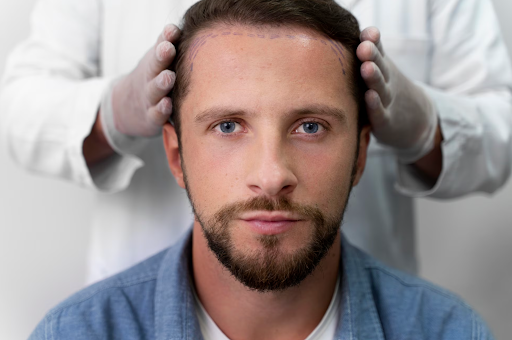
Follicular Unit Extraction, commonly known as FUE, has changed the way hair restoration is approached. The procedure is designed for people experiencing thinning hair, receding hairlines, or bald patches who wish to restore a fuller and more natural-looking appearance. Rather than removing a strip of scalp, FUE involves taking individual follicular units from a donor area and placing them into areas affected by hair loss. The process requires careful planning, steady technique, and a strong understanding of natural hair growth. Clinics such as Sage Medical Clinic provide professional hair restoration services for individuals seeking personalised treatment. The quality of the outcome can be influenced by the patient’s existing hair, scalp condition, donor supply, treatment plan, and the experience of the medical team carrying out the procedure.
How FUE Developed
Hair transplantation has changed considerably over the years. Earlier techniques often involved removing a strip of skin containing hair follicles from the back of the scalp. This method could leave a linear scar and sometimes produce a less natural appearance when the transplanted hair was not placed with enough attention to the patient’s original growth pattern. FUE introduced a different approach by allowing individual follicular units to be removed from the donor area. Small extraction points can heal with limited visible marking, making the technique appealing to people who prefer shorter hairstyles. Since its introduction in the late twentieth century, FUE has developed through improvements in surgical instruments, magnification, follicle handling, and hairline design. These developments have helped practitioners create results that are better suited to each person’s facial features and existing hair pattern.
Benefits of FUE
FUE has become popular partly because it can provide a fuller appearance without the long linear scar associated with strip-based transplantation. The small extraction points are spread across the donor area and can become difficult to see once healed. The technique can give patients greater freedom with hairstyles, particularly when the donor area recovers well. FUE can sometimes make use of hair from areas beyond the scalp, including the beard or chest, when suitable donor material is available. This can give a practitioner more options when planning treatment for a person with limited scalp hair. Recovery is often manageable, with many patients returning to normal routines within several days, though healing times vary from one person to another. Temporary redness, swelling, tenderness, or small scabs can occur during the early recovery period and normally form part of the healing process.
Factors That Can Affect Results
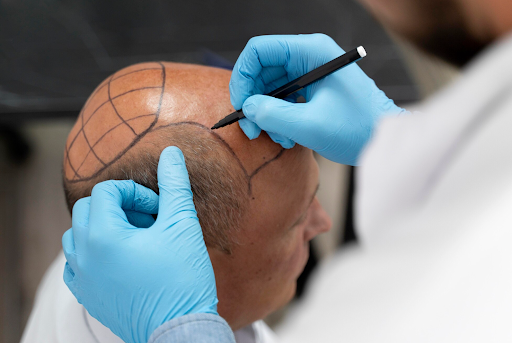
FUE is not an appropriate choice for every person experiencing hair loss. The available donor hair places a natural limit on how much coverage can be achieved. Someone with extensive baldness and limited donor density may need more than one treatment session, or may benefit from discussing other hair-loss treatments with a qualified practitioner. The condition of the scalp, the strength of the follicles, the progression of hair loss, age, and family history can influence treatment planning. The skill of the practitioner is another major factor. Follicles must be extracted without unnecessary trauma and placed at suitable angles to create an appearance that blends with existing hair. A carefully designed hairline should match the person’s age and facial proportions rather than appear excessively low or uniform. A consultation allows patients to understand these factors before making a decision.
Technology and Modern FUE Techniques
Advances in medical technology have contributed to the development of modern FUE procedures. Improved microscopes, specialised punches, imaging equipment, and graft storage methods can assist practitioners during different stages of treatment. Some clinics have access to robotic systems designed to support follicle selection and extraction. Such systems may help with consistency, yet they do not replace the judgement of an experienced medical professional. Hair restoration still requires an understanding of facial proportions, existing hair direction, donor availability, and future hair loss. Technology can support accuracy, but careful planning and human expertise remain central to producing a natural result. The continued development of instruments and treatment methods gives practitioners more ways to tailor FUE to individual patients.
The Effect on Confidence and Appearance
Hair loss can affect more than physical appearance. Some people become self-conscious about photographs, social situations, hairstyles, or meeting new people. A change in hair density may influence how a person feels about their age and appearance. FUE can offer a way to address these concerns by restoring hair in areas where thinning has become noticeable. Patients who achieve satisfactory results may feel more comfortable with their appearance and regain confidence in everyday situations. Expectations still need to remain realistic, since a hair transplant cannot recreate unlimited density or stop every form of future hair loss. A natural result often involves creating balanced coverage that works with the patient’s existing hair rather than attempting to produce an artificially thick appearance.
Making an Informed Treatment Choice
Good hair restoration practice involves honest communication before, during, and after treatment. Patients should receive clear information about the procedure, possible side effects, recovery, expected growth, costs, and limitations. A practitioner should assess whether FUE is suitable rather than presenting transplantation as the answer for every type of hair loss. Other treatments may have a role depending on the reason for thinning and the patient’s circumstances. Follow-up appointments can provide an opportunity to monitor healing and assess new hair growth over time. Patients who understand what the procedure can realistically achieve are more likely to approach treatment with appropriate expectations and a clear understanding of the commitment involved.
Conclusion
Follicular unit extraction has played a major role in the development of modern hair restoration. Its individual follicle approach, limited visible scarring, flexible donor options, and increasingly sophisticated technology have made it an appealing choice for many people experiencing hair loss. The procedure still requires careful patient selection, skilled handling of grafts, thoughtful hairline planning, and responsible aftercare. Its success is not based on technology alone. The practitioner’s experience, the patient’s donor supply, the condition of the scalp, and the long-term pattern of hair loss all shape the outcome. With professional assessment and realistic expectations, FUE can offer a practical route towards fuller hair and renewed confidence.