Key Takeaways
- Decentralized trials dramatically improve participant access and diversity.
- AI technologies streamline trial operations, from design to patient enrollment and data analysis.
- Wearables power real-time monitoring and richer datasets for researchers and clinicians.
- Precision medicine customizes medical treatment, making therapies more effective for targeted populations.
- Ongoing regulatory reforms are critical to supporting innovation without sacrificing safety.
Clinical trials are the backbone of medical progress, providing the evidence required to bring new treatments and therapies to patients around the world. The landscape of clinical research is being reshaped by cutting-edge technology and forward-thinking methodologies, resulting in studies that are more efficient, patient-centric, and inclusive. The push for innovation is ushering in a new era of flexibility, engagement, and quality in clinical research. As these changes unfold, organizations like clinical trials by Chiesi continue to play a vital role in advancing research programs and supporting innovative healthcare solutions.
Modern clinical trials are increasingly moving away from traditional, centralized approaches. Instead, there is a growing emphasis on making studies accessible to broader populations, collecting richer datasets, and predicting patient outcomes more accurately. If you are keen to understand how these advances are unfolding and what they mean for the future of medicine, this guide provides an in-depth look at the major trends shaping clinical trial design and conduct today.
Decentralized Clinical Trials: Expanding Access and Inclusion
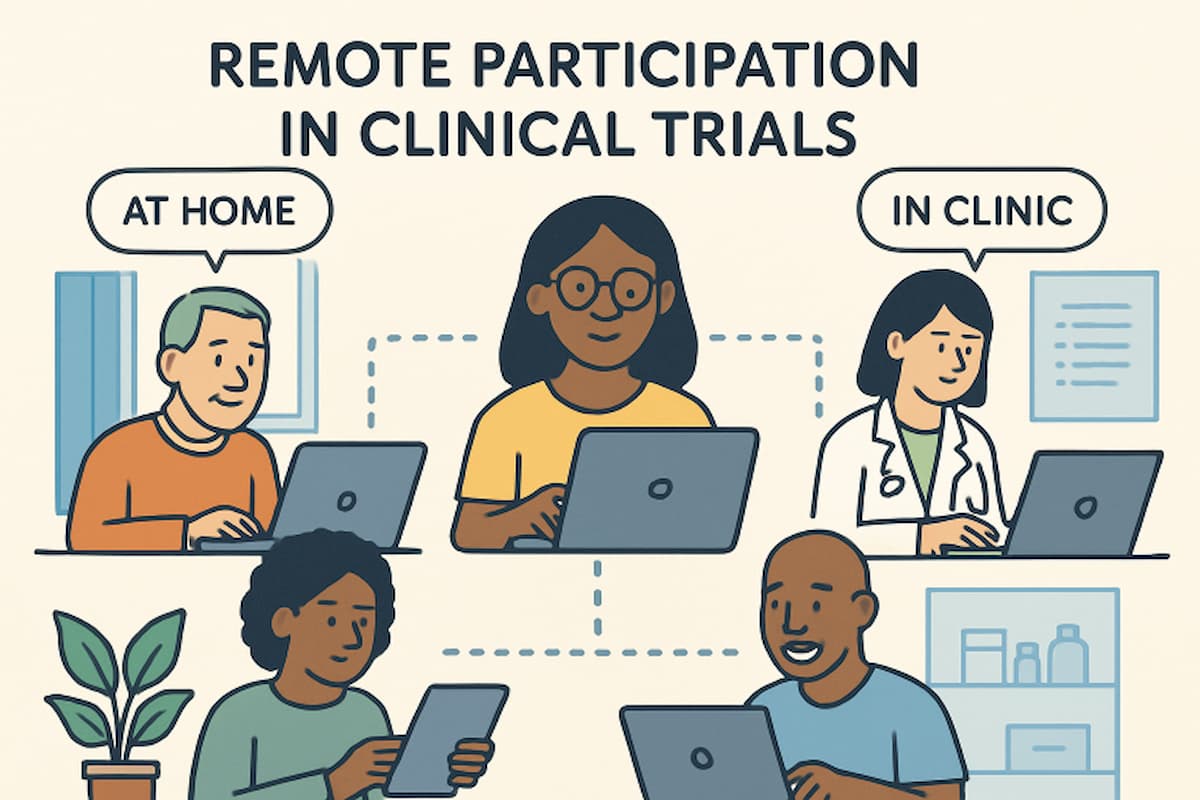
Traditional clinical trials have long struggled to reach diverse populations due to geographic and logistical barriers. Decentralized clinical trials, by leveraging digital health platforms and telemedicine, empower participants to engage from the comfort of their homes or local clinics. These trials foster greater diversity and inclusion, capturing a wider range of patient experiences, backgrounds, and outcomes.
For example, in recent years, digital platforms have enabled patients to participate remotely regardless of location. These remote studies enhance not only access but also retention rates by minimizing travel and offering flexible, patient-friendly data-collection options. This approach has proven especially valuable during global events, such as pandemics, that limit physical access to clinical sites. More information on the positive impact of decentralized models is available through resources such as the National Institutes of Health, which highlight expanded access as a game-changer in public health research.
Artificial Intelligence: Improving Design, Recruitment, and Analysis
Artificial intelligence is revolutionizing the clinical trial process, optimizing everything from study design to patient recruitment and complex data analysis. AI-driven algorithms can quickly scan through massive datasets to pinpoint suitable participants, forecast treatment responses, and even identify safety concerns before trials begin. By using predictive analytics, study sponsors can reduce the time and resources needed to identify eligible patients, significantly accelerating the entire research timeline.
Machine learning also enables real-time adaptation during trials, helping researchers predict dropout rates and adjust protocols to ensure robust data collection. According to reports published by Nature, machine learning models in clinical research improve the forecasting of trial results, minimize resource waste, and enhance trial success rates.
Wearable Technology and Real-Time Health Monitoring
Wearable health devices, such as smartwatches and fitness trackers, are transforming how researchers collect patient data. These devices enable continuous monitoring of vital signs, physical activity, and medication adherence. Real-time data reduces recall bias and gives investigators a dynamic view of how interventions perform in daily life. With more comprehensive datasets, researchers can identify trends and issues that might be missed with periodic, in-person assessments.
Wearable technology also boosts participant engagement and compliance, as many users find these devices easy to integrate with existing routines. For additional insights into how wearable tech is driving the future of personalized medicine, readers can explore this overview at The Wall Street Journal.
Precision Medicine: Personalizing Treatments Based on Genetics
The era of precision medicine is reshaping clinical research by focusing on tailored treatment strategies. Trials now frequently incorporate genomic data, helping scientists match therapies to genetic profiles and patient subgroups. This personalized approach improves both efficacy and safety by minimizing adverse reactions for groups less likely to benefit from a one-size-fits-all treatment strategy.
As precision medicine gains traction, clinical trials are evolving to include protocols that reflect genetic diversity rather than just demographic factors. The objective is consistent: match the right patient with the right drug at the right dose. This strategy increases success rates and holds significant promise for complex conditions such as cancer, autoimmune diseases, and rare genetic disorders.
Regulatory Frameworks: Supporting Rapid Innovation
With rapid advancements in trial methodologies, regulatory agencies like the FDA and EMA are modernizing their standards to keep pace with innovation. These organizations are striving to harmonize requirements across international regions and streamline approval processes for adaptive trial designs, telehealth integration, and the use of digital endpoints. Regulatory reforms aim to balance innovation with patient safety, ensuring robust oversight even as research speeds up.
For example, recent regulatory guidance has encouraged the use of remote monitoring and electronic informed consent, making trials more flexible and participant-friendly. This shift not only supports continued innovation but also fosters collaboration between countries and research institutions. Detailed information on these regulatory changes can be found in recent updates from major health authorities, such as the U.S. Food and Drug Administration.
Conclusion
The clinical trials sector is undergoing a remarkable transformation propelled by technological advances and a strong emphasis on patient-centric methodologies. The integration of decentralized methods, artificial intelligence, wearable devices, precision medicine, and regulatory reform is streamlining processes and expanding access for broader, more diverse populations. These trends are setting new standards for efficiency and effectiveness in clinical research, promising faster medical breakthroughs and better health outcomes for patients worldwide.