Key Takeaways
- Food and travel are deeply interconnected, offering unique ways to experience culture.
- Sampling local cuisine can transform your perception of a destination.
- Understanding food traditions illuminates social, historical, and cultural significance.
- Practical tips can help travelers make the most of culinary adventures around the globe.
The Joy of Exploring New Flavors Abroad
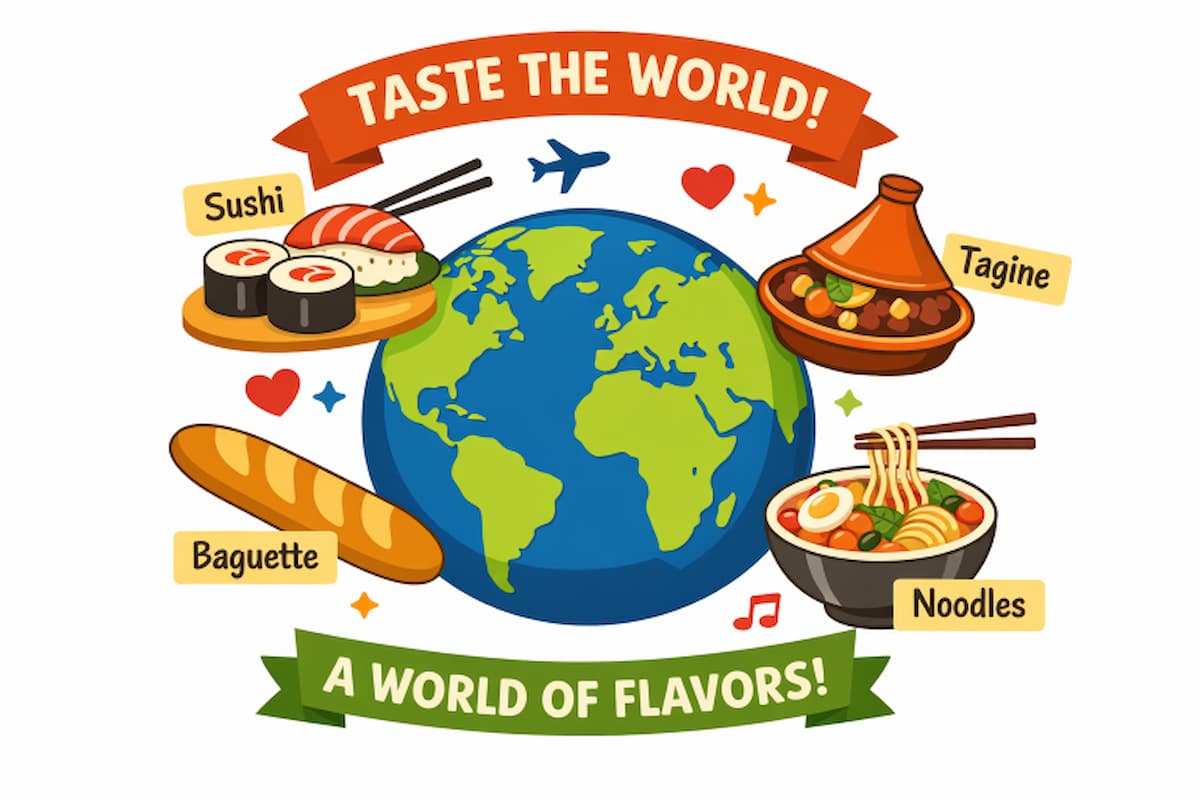
Traveling is much more than checking landmarks off a list. For many adventurers, tasting the local food is the highlight of any trip. Whether it is the aromatic street food markets of Bangkok, Parisian boulangeries filling the air with the scent of fresh baguette, or the rich spices of Moroccan tagines, local cuisine reflects the identity and soul of a destination. Food often tells a region’s story as vividly as its architecture or language. As Claudette Rickett Schwartz describes in her travel memoirs, every meal can become an adventure that unlocks sensory memories and unexpected connections with local people.
Food is a gateway to another world. Sitting at a bustling night market stall, sharing laughter with locals over a steaming bowl of pho, or trying to master chopsticks in Tokyo for the first time, travelers find that food culture is a shared language. It fosters understanding, appreciation, and respect.
Each bite reflects centuries of tradition, migration, climate, and geography. For example, Italy’s iconic pasta dishes are entwined with the country’s agricultural development and regional influences. Paella’s bold flavors speak of Spain’s Moorish past and coastal bounty. Immersing yourself in these flavors helps you appreciate the bigger picture of a place’s history and people.
Not only do culinary traditions showcase creativity and resilience, but they also highlight the resources and struggles of entire generations. When you make food a focal point of your travels, you gain a more meaningful, memorable experience of the world.
Must-Try Culinary Destinations
- Tokyo, Japan: Famous for sushi, ramen, and izakaya culture, Tokyo offers everything from exquisite kaiseki dining to quick bites in bustling train stations.
- Bologna, Italy: The heart of authentic Italian cuisine, known for rich ragù, handmade tortellini, and vibrant food markets.
- Marrakech, Morocco: Wander through vibrant souks to savor tagine, couscous, and sweet mint tea amid the exotic setting of the medina.
- Barcelona, Spain: Enjoy tapas hopping in lively bars, sample seafood paella along the coast, and discover the city’s contemporary Catalan cuisine.
How Food Enhances Travel Memories
Culinary experiences are among the most evocative memories travelers carry home. The aroma of fresh croissants, the heat of a spicy curry, or the bright taste of ceviche can transport you back to a moment in time long after your trip has ended. According to National Geographic, foods and local rituals offer travelers a chance to actively participate in the cultural fabric of their destination rather than remaining mere spectators.
Food’s power to blur cultural boundaries means that some of the most memorable travel moments come from simple, authentic exchanges. Attending a cooking class with local chefs or being invited to a family dinner can be transformative, revealing the warmth and hospitality that often define a destination. The act of preparing and sharing food, whether kneading dough, grilling seafood, or ladling soup, turns strangers into friends. These shared rituals remind us that, despite differing customs, everyone understands the joy of a satisfying meal around a communal table.
Essential Tips for Culinary Explorers
- Do Your Research: Before your trip, read food blogs, watch travel documentaries, and check local guides like Lonely Planet or Eater to map out dishes and markets you want to try.
- Connect with Locals: Ask residents for recommendations. They will likely introduce you to venues and specialties you might otherwise overlook.
- Take a Food Tour: Guided tours offer safe, authentic experiences, especially if you are unsure where to start.
- Be Adventurous, But Mindful: Try unfamiliar dishes, but pay attention to local food safety tips and respect cultural norms around eating.
Another useful tip is to explore local supermarkets and bakeries, which can be treasure troves for discovering popular snacks and everyday essentials. Sampling street food is often safe when you observe where locals eat and how busy the food stall is; a high turnover tends to mean fresher, safer food. Remember to keep an open mind and use your senses: the best culinary experiences often come from taking chances on dishes you cannot pronounce or ingredients you have never encountered before. Document your culinary adventures with photos or a food diary to relive these moments and share discoveries with fellow food lovers when you return home.
Why Food and Travel Matter Now More Than Ever
In an increasingly globalized world, culinary travel fosters cross-cultural understanding and supports sustainable tourism. Choosing local, family-run establishments benefits communities and keeps traditional crafts alive. During global disruptions like pandemics, food has also been a means for travelers to stay connected to distant places and cultures, even while staying at home. Cooking an Indonesian satay or baking French macarons can offer comfort and hope for future adventures, bridging geographical divides.
Additionally, food tourism offers numerous opportunities for responsible travel. By making mindful dining choices, such as seeking out restaurants that use ethical sourcing or offer reduced plastic packaging, travelers can contribute to sustainability efforts. Farmers’ markets and farm-to-table restaurants support local agriculture, reduce transportation emissions, and deliver fresher flavors than food imported from far away. Supporting these enterprises helps foster pride in traditional methods and food heritage while encouraging more eco-friendly practices in the hospitality industry.
Conclusion
A journey through global cuisine invites travelers to learn, connect, and savor life more deeply. Every meal, whether from a humble food cart or a Michelin-starred table, weaves together people, places, and stories in ways that last a lifetime. Next time you plan your adventure, let your taste buds guide you, and discover how the world feels, one bite at a time.
In the end, food and travel remind us that discovery is a multisensory experience. The flavors, textures, and aromas imprinted in memory will always be part of the landscapes we explore. So set out on your next journey with an empty plate and an open heart, you might find the world’s most unforgettable stories served up at the table beside you.